






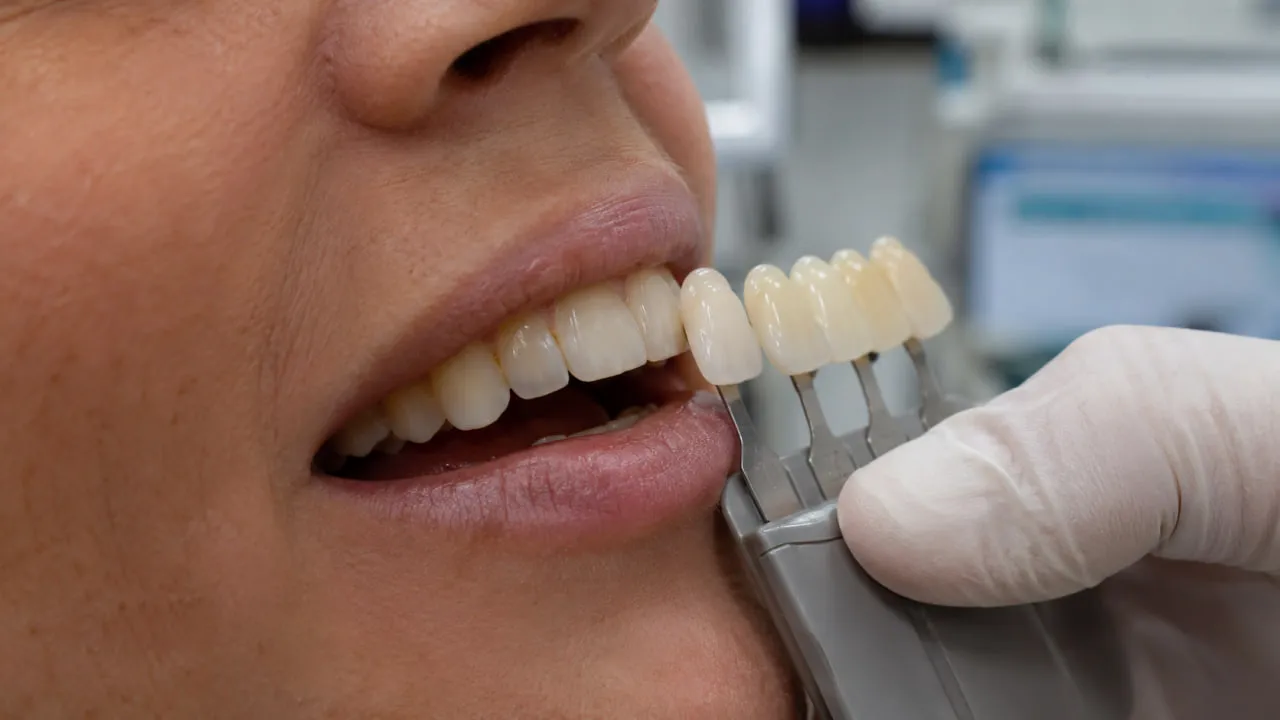
A glass ionomer vs composite filling comparison is useful when you have been told a tooth needs repair, but neither material is right for every situation. Composite is often chosen for its tooth-colored appearance and its ability to bond to tooth structure. Glass ionomer releases fluoride and may be considered in places where keeping the tooth dry is difficult. Amalgam, the silver-colored material used in many older fillings, brings a different set of considerations. The size and location of the damage, your bite, remaining tooth structure and personal preferences all matter. An examination is what turns these general differences into a recommendation for your tooth.
What Does a Dental Filling Actually Repair?
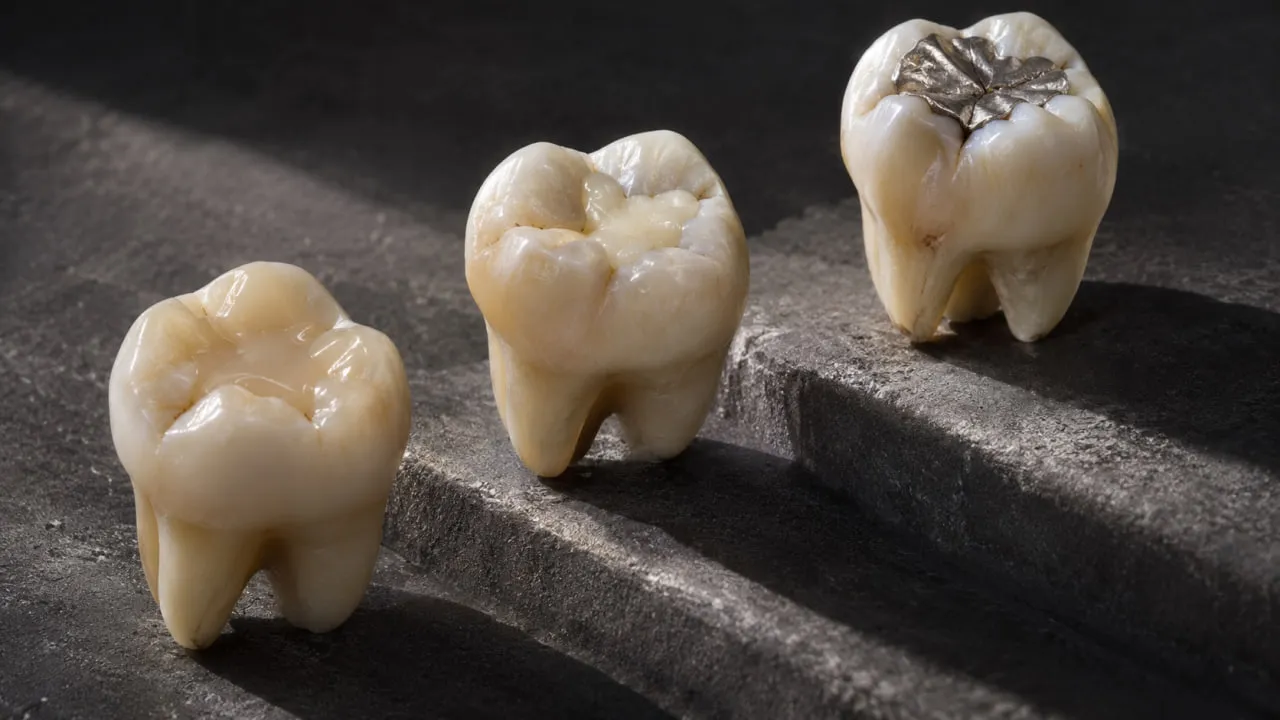
A filling restores tooth structure lost to decay or damage. A direct filling is placed and shaped in the tooth, usually in one appointment. If extensive damage leaves too little sound structure, a different restoration may be needed. The clinic's dental fillings page explains what treatment involves; this article focuses on material choice.
Glass Ionomer vs Composite Filling: What Are the Differences?
These materials differ in appearance, bonding and appropriate uses. This table describes them generally, not which materials the clinic currently places.
Composite: A Tooth-Colored Option With Bonding Requirements
Composite can closely match tooth color and, in suitable cases, preserve healthy structure through adhesive bonding. It is used for front and many back teeth. Its suitability still depends on restoration size, bite forces and keeping the tooth dry during bonding.
Glass Ionomer: Fluoride Release and Selected Uses
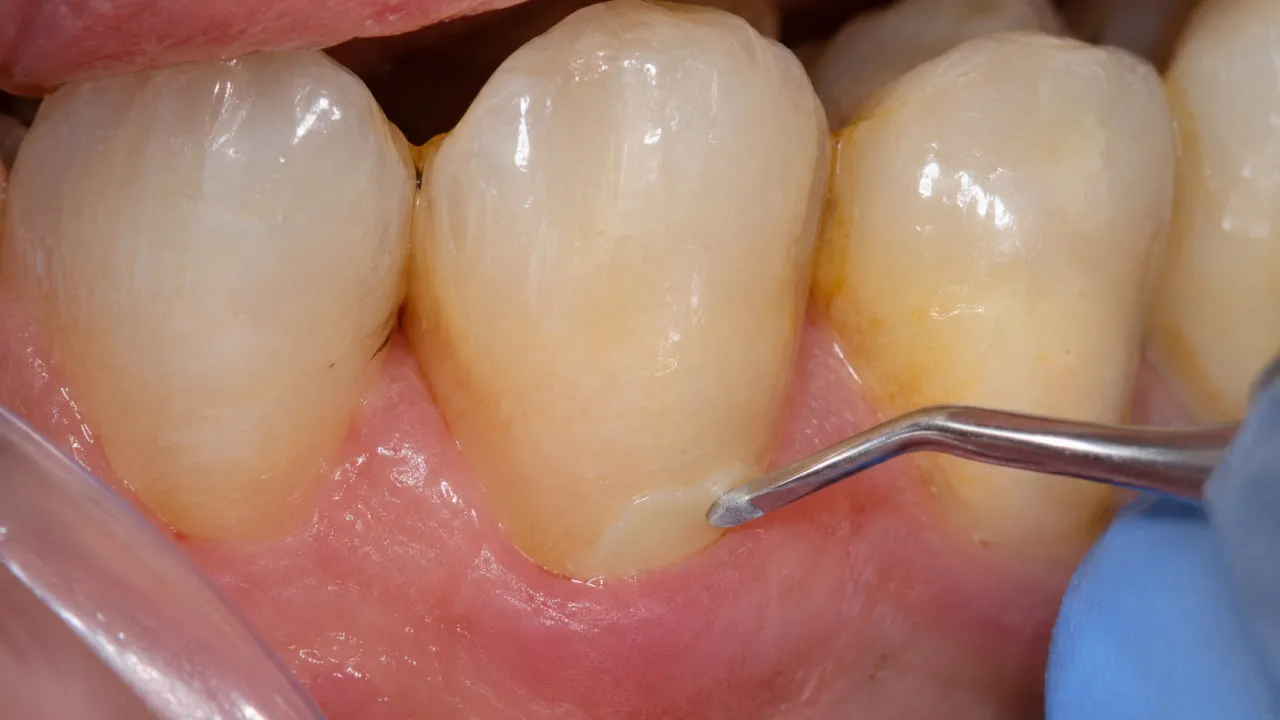
Glass ionomer bonds chemically and releases fluoride. Certain formulations may suit root-surface or gumline repairs where keeping the tooth dry is challenging. Conventional and resin-modified types behave differently; fluoride release does not guarantee protection from decay. In a glass ionomer vs composite filling discussion, location and formulation matter more than a generic material label.
Amalgam: An Existing Filling or Another Material to Consider
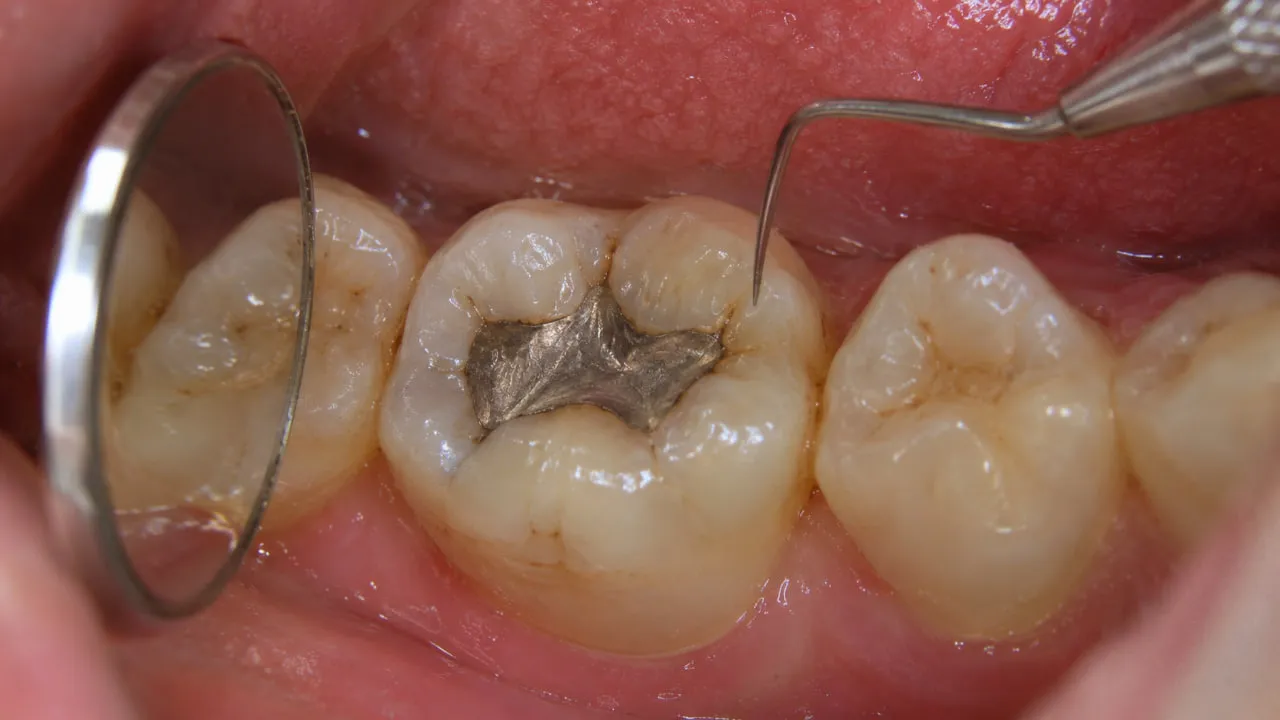
Amalgam has a long history in back-tooth restorations and is relevant to people with older silver fillings. It is less moisture-sensitive than adhesive composite, but not suitable for every situation. For patients with existing silver fillings, the first question is whether the restoration remains serviceable.
How Does a Dentist Decide Which Filling Material Fits a Tooth?

A glass ionomer vs composite filling decision depends on an examination, relevant history and, when needed, diagnostic imaging.
Where the Damage Is and How You Bite
A small cavity at the gumline differs from a large molar cavity. Tooth surfaces, chewing forces and habits such as grinding affect the recommendation. A material suitable for a narrow root-surface repair may not suit a broad chewing surface.
How Much Healthy Tooth Remains
Remaining tooth walls and cusps may determine whether a direct filling will work. When too much structure is missing, an inlay, onlay or crown may be considered instead. The clinic's restorative dentistry page explains those alternatives.
Moisture Control, Decay Risk and Your Preferences
Composite needs appropriate isolation from moisture. Cavities near or below the gumline can make this difficult. Decay history, dry mouth and personal preferences, including appearance and cost, also deserve attention. The dentist should explain reasonable alternatives rather than making the decision from one factor alone.
Four Examples of Why the Material May Change
These hypothetical examples are not patient cases or diagnoses. They show why a glass ionomer vs composite filling comparison depends on the tooth.
What Changes When the Tooth Belongs to a Child?

A baby tooth may need to function for years. The dentist considers development, cavity size and whether a filling or prefabricated crown is appropriate. See the clinic's pediatric dentistry page for children's care. Specific materials offered for each age require clinic confirmation.
Is Dental Amalgam Safe? What Health Canada and the CDA Say
Amalgam contains mercury combined with other metals. Patients with older silver fillings may have questions about safety.
Health Canada reviewed available safety information and reported in 2021 that it found no clear link between mercury associated with dental amalgam and negative health effects. The review did not identify new evidence requiring a change to the overall safety profile. At the same time, Health Canada recommended minimizing amalgam use in children, pregnant women and people with kidney disease as a precaution. Both points appear in its dental amalgam safety update.
The Canadian Dental Association's February 2021 position advises against removing serviceable amalgam for perceived health concerns alone. Removal can sacrifice healthy tooth structure; a failing restoration is a different clinical situation.
If you are pregnant, have kidney disease or have a known material sensitivity, tell your dentist before treatment. Suitability is individual.
How Long Do Composite, Glass Ionomer and Amalgam Fillings Last?
Fillings do not have one dependable lifespan. Their size and location, bite forces, grinding, new decay and daily care all matter. Studies also examine different material formulations and cavity types; a glass ionomer vs composite filling result from a small cavity may not apply to a large molar restoration. During a dental exam, the dentist can check for wear, damage or decay rather than judging a filling by age alone.
Does Filling Material Affect Cost or Insurance Coverage?

Yes. Fees can reflect the tooth, surfaces involved, complexity and material. Ask for an individualized estimate rather than relying on unsourced averages. See dental filling costs in Toronto for a fuller explanation.
Private Insurance May Recognize a Different Material
Some private plans use an alternate-benefit rule, reimbursing a tooth-colored filling based on the fee for another eligible material. Deductibles, limits and exclusions can also leave a patient balance. This does not determine the clinical choice. See dental insurance coverage in Ontario and confirm your specific benefits before treatment.
What About the Canadian Dental Care Plan?
The Canadian Dental Care Plan (CDCP) covers eligible fillings under rules that differ for baby and permanent teeth. Procedure codes, tooth surfaces and other limits can affect payment. Market Dental Centre's published information says it follows the CDCP-established fee for eligible covered services without an additional clinic markup. Co-payments and non-covered costs may remain. See how the CDCP works.
If You Are Paying Without Insurance
Ask for the expected examination, imaging and restoration fees. If more than one material is clinically appropriate, request estimates that account for the entire treatment. The guide to seeing a dentist without insurance explains self-pay considerations.
Should an Old Silver Filling Be Replaced With Composite?
An old amalgam filling does not need removal solely because of its age or appearance. Replacement can remove sound tooth structure. A dentist may recommend repair or replacement if decay, cracking, looseness or significant wear makes the restoration unserviceable. If a filling falls out or pain develops, call for an assessment; the guide to emergency dentist costs explains possible charges.
Five Questions to Ask Before Agreeing to a Filling
For a glass ionomer vs composite filling decision, ask about your actual tooth rather than choosing from a list online.
- Why this material? Ask how the location, damage and bite affect the choice.
- Are there reasonable alternatives? Discuss what changes with each option.
- Is a filling enough? Ask whether an onlay or crown would be more appropriate.
- What might I pay? Request an estimate and check insurance or CDCP rules.
- How will it be monitored? Ask about care and follow-up.
Key Takeaways
Material choice depends on the tooth, not a universal ranking. Composite offers tooth-colored bonding; glass ionomer releases fluoride and has selected uses; amalgam remains relevant to older restorations. Your dentist can explain the trade-offs after an examination.
Ask About Dental Filling Options in Downtown Toronto
If you are weighing a glass ionomer vs composite filling recommendation or wondering about an older silver filling, ask the dentist what the tooth needs and what each reasonable option may cost. Market Dental Centre is at 149 Lower Jarvis Street in Downtown Toronto, near St. Lawrence Market. Call (416) 363-4115 or request an appointment online. A request is not a confirmed booking.
This article provides general dental information. It is not an individual diagnosis, treatment recommendation, insurance guarantee or price quotation. A dentist needs to assess the tooth before recommending treatment.