



Gum Disease Treatment in Toronto
Bleeding when you brush or floss can be easy to explain away, especially when it does not hurt. The same is true of swollen gums, persistent bad breath, gum recession, or new sensitivity. These changes do not automatically mean gum disease, but if they keep returning, they are worth having checked. Gum disease can develop with little discomfort, and similar symptoms can have other causes. A dental examination can help clarify what is happening and whether treatment is needed. Market Dental Centre provides gum disease assessment and treatment within general dentistry at 149 Lower Jarvis Street in Downtown Toronto, near St. Lawrence Market. If you live, work, or study nearby and have been putting off a gum concern, you can start with an examination and a clear discussion of the findings and next steps.

What Are the Signs and Symptoms of Gum Disease?
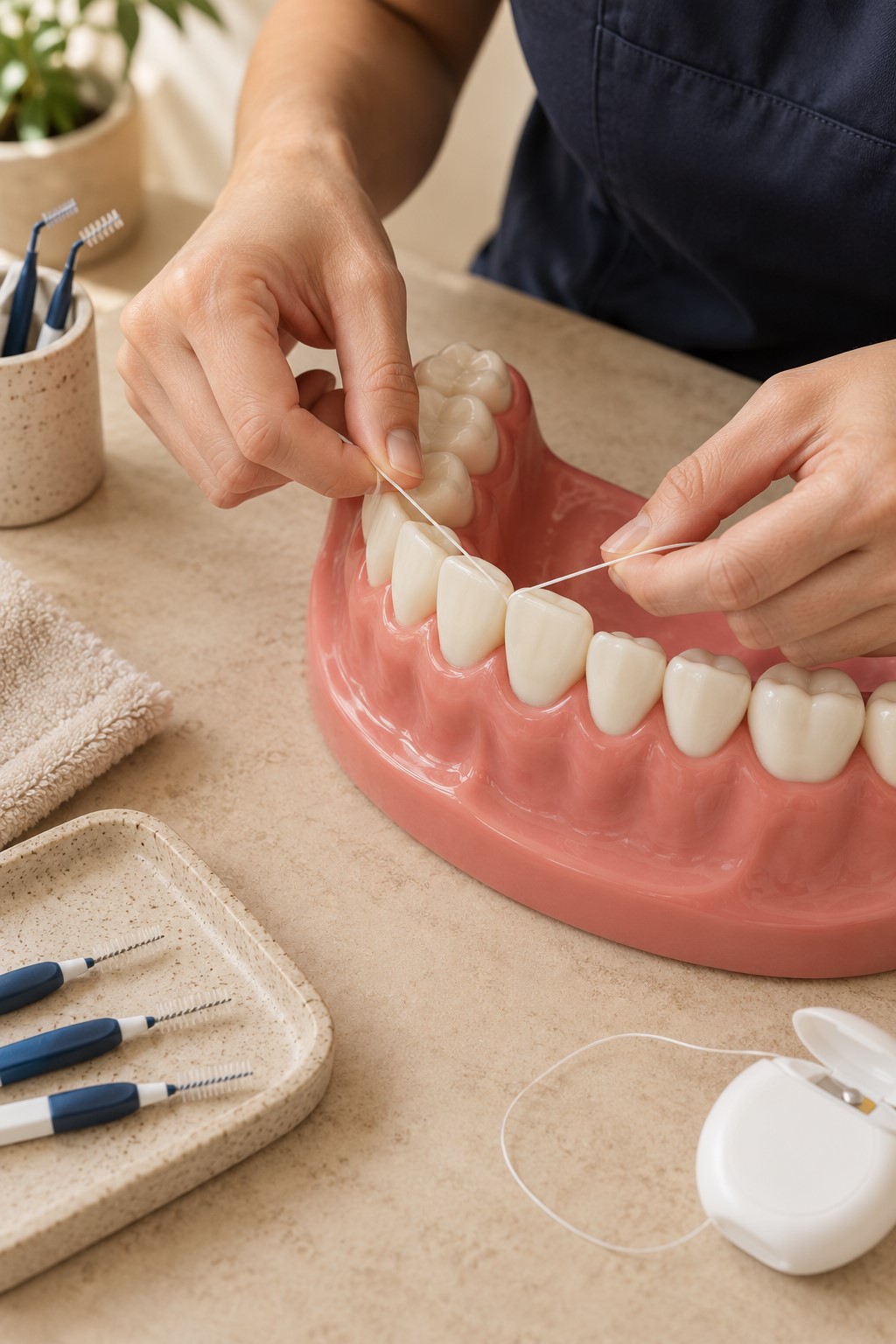
Some people notice blood in the sink when they brush. Others have few obvious symptoms and only learn about gum changes during an examination. Gum disease does not look or feel the same for everyone.
Signs that may be associated with gum disease include:
- Bleeding while brushing or flossing
- Red, swollen, or tender gums
- Persistent bad breath
- Gums that appear to be pulling away from the teeth
- Increased tooth sensitivity
- Changes in the way your teeth fit together
- Teeth that feel loose or appear to have shifted
- Pus or discharge around the gumline in some cases
One symptom on this list is not enough to diagnose gum disease, and you may not experience all of them. Persistent or unexplained changes are a good reason to have your gums examined and find out what is causing them.
What Is a Dental Deep Cleaning for Gum Disease?
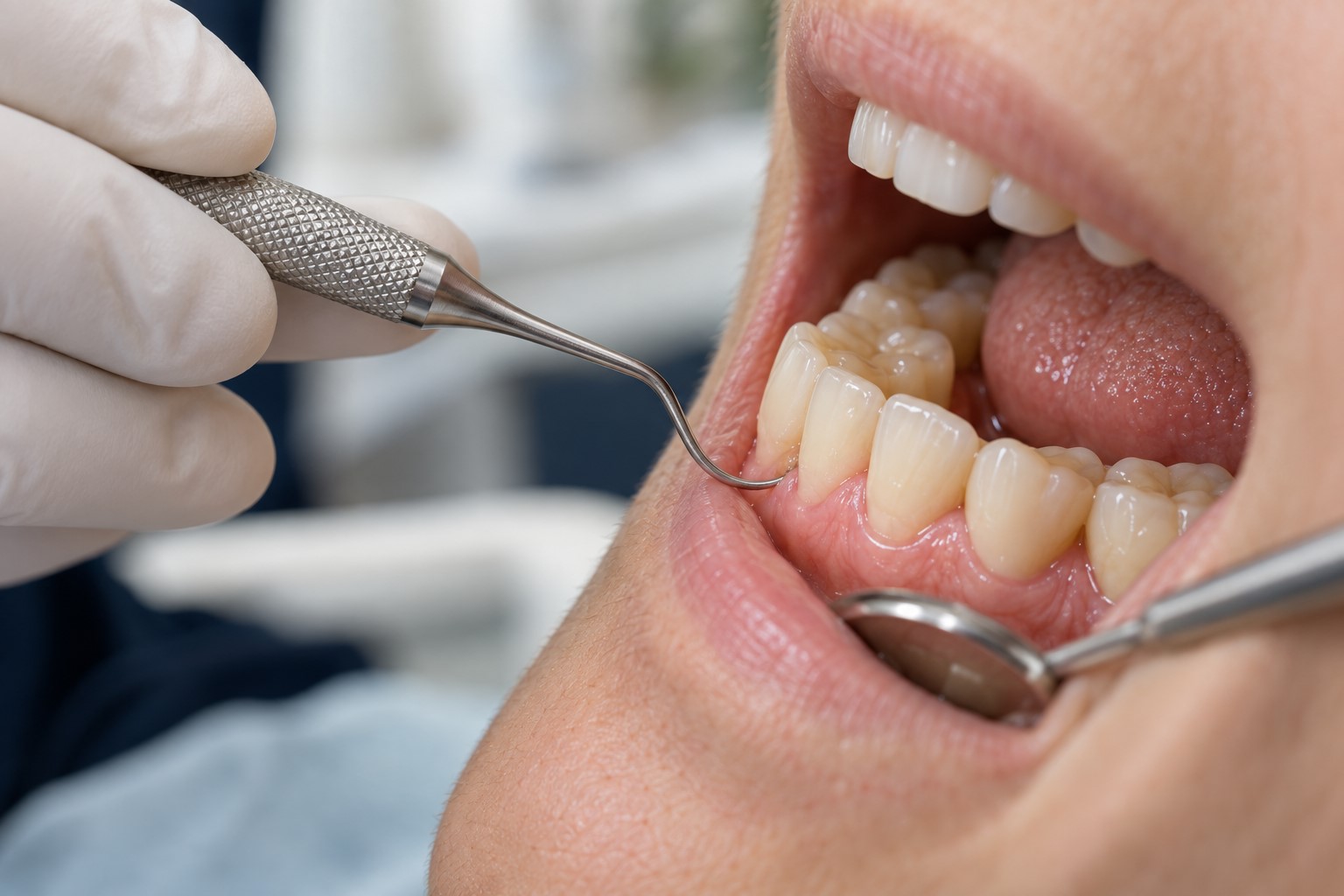
A "deep cleaning" is a common term for periodontal cleaning below the gumline. Depending on the diagnosis, this may include scaling and root planing to remove plaque and tartar from tooth and root surfaces that routine cleaning does not reach.

Routine Dental Cleaning
A routine cleaning focuses on the visible parts of the teeth and the area right around the gumline, removing plaque and tartar that build up there. It is the type of cleaning used as part of preventive or ongoing dental care.
Deep Cleaning
A deep cleaning goes further, reaching below the gumline and along the root surfaces. It is used when the examination indicates that periodontal treatment is needed rather than a routine cleaning alone.

How the Right Type Is Decided
Bleeding gums on their own do not determine which cleaning you need. The recommendation comes from the full dental assessment, including periodontal measurements, where buildup has collected, the extent of inflammation, and other clinical findings.
What Is the Difference Between Gingivitis and Periodontitis?
Gingivitis and periodontitis are related forms of gum disease, but they differ in how deeply the tissues around the teeth are affected.

How Much Does Gum Disease Treatment Cost in Toronto?
Cost is often one of the first questions after someone hears "gum treatment," and it is reasonable to want a clearer number before committing. There is no single fee because the cost depends on what the examination shows and the care that is actually recommended.
Factors that may affect the total include the type of treatment required, the severity and extent of the gum disease, the amount and location of plaque and tartar buildup, the number of areas that need treatment, whether more than one appointment is required, any diagnostic imaging or other procedures that are clinically indicated, and your individual insurance coverage and remaining out-of-pocket cost. Once the diagnosis and treatment plan are clear, ask about the expected fees before you agree to planned care. If you have dental benefits, coverage depends on your individual plan, so the amount reimbursed may differ from the clinic fee.
Can Gum Disease Be Treated?
Yes, but the treatment goal depends on the diagnosis. Plaque-related gingivitis can often improve and may be reversed with professional care and consistent plaque control. Periodontitis affects deeper supporting tissues and generally requires professional treatment and ongoing maintenance rather than being described as fully reversible.
That distinction matters. Early care may focus on resolving gum inflammation, while periodontal treatment may focus on controlling disease and maintaining the supporting tissues over time. Your dentist can explain what improvement is realistic for your situation and what follow-up may be recommended.
How Can You Prevent Gum Disease?
Not every factor that affects gum health is within your control. Daily plaque removal still matters: brush carefully, clean between the teeth, and avoid tobacco products.
Regular dental examinations and professional cleanings at intervals recommended for your gum health can help monitor changes and remove tartar that cannot be brushed away. If a medical condition or another health factor is contributing, appropriate healthcare support may matter too. If your routine has slipped, restarting now is still worthwhile. Prevention is about steady habits, not perfection.
What Happens During a Gum Disease Consultation?
If you are worried about bleeding, bad breath, recession, or another change, you do not need to decide in advance whether you need a routine cleaning, a deep cleaning, or something else. The consultation is where that gets sorted out.
Step 1: Discuss What You Have Noticed
Tell the dentist what has changed, how long it has been happening, and whether it comes and goes. Previous gum treatment and relevant health changes are also useful to mention.
Step 2: Assess Your Gum Health
The dentist examines your gums and teeth and looks at the findings relevant to periodontal health. Measurements or dental imaging may be recommended when clinically indicated.
Step 3: Review the Findings and Next Steps
The findings are reviewed with you in plain language. If care is recommended, you can ask why it is needed, what the treatment involves, and what follow-up may be appropriate before deciding how to proceed.
Step 4: Agree on Home Care and Follow-Up
Once the plan is clear, the dentist or hygienist can go over the daily home care that suits your situation and when you should be seen again. Follow-up intervals vary from person to person, and any changes you notice between visits are worth reporting rather than waiting for the next appointment.
Understanding Your Gum Disease Treatment Options
What is gum disease?
Gum disease, also called periodontal disease, refers to conditions that affect the gums and, in more advanced cases, the tissues that support the teeth. Two terms you will often hear are gingivitis and periodontitis.
They are related, but they describe different levels of tissue involvement and do not require the same type of care. Gingivitis: Gingivitis is inflammation limited to the gums. It may cause redness, swelling, or bleeding, although some people notice little or no discomfort. Periodontitis: Periodontitis is a more advanced form of gum disease that affects the structures supporting the teeth, including the surrounding bone. Not every person with gingivitis develops periodontitis, and the extent of the condition can vary. A dental assessment is needed to distinguish between them and understand what treatment or monitoring may be appropriate.
What shapes a gum disease treatment plan?
Treatment depends on whether the problem is limited to the gums or has affected the deeper supporting tissues. The goal is to match the care to what the examination actually shows, rather than assume every patient needs the same treatment. Factors that may influence the plan include:
- The severity and extent of the condition
- How much inflammation is present
Other factors include whether tartar is present below the gumline, the condition of the tissues supporting the teeth, and your overall oral health and relevant risk factors.
What treatment might be recommended for gingivitis or periodontitis?
For gingivitis, professional cleaning and better plaque control at home may be enough to improve gum health.
When periodontitis is present, nonsurgical periodontal treatment such as scaling and root planing may be recommended to clean below the gumline. More advanced or complex disease may need additional periodontal care or assessment by a periodontist.
Can gum disease be treated at Market Dental Centre?
At Market Dental Centre, gum disease care is provided within general dentistry.
We can assess what is happening, explain why a particular level of care is being recommended, and discuss whether treatment can be managed within general dental care or whether specialist input may be appropriate.
How Is Gum Disease Diagnosed?
Gum disease is diagnosed through an in-person dental assessment, not from symptoms alone. Depending on what the dentist finds, the examination may include:
Taken together, these findings help the dentist determine whether gum disease is present, how extensive it may be, and what type of care should be considered next.

When Should You See a Dentist for Gum Problems?

A little bleeding can be easy to write off, especially if nothing hurts. If bleeding, swelling, tenderness, persistent bad breath, recession, sensitivity, or another gum change keeps returning, it is worth having your gums examined rather than trying to judge the cause yourself.
It is particularly important to arrange an assessment if a tooth feels loose or has shifted, or if you notice pus or unusual discharge around the gums. These signs do not confirm gum disease on their own, but they deserve a closer look.
If you have been putting the issue off because it seems minor, an examination can give you a clearer answer about whether treatment is needed and what the next step may involve.
Frequently Asked Questions About Gum Disease Treatment
What are the first signs of gum disease?
Can bleeding gums be a sign of gum disease?
Can gum disease be treated?
What is the difference between a regular cleaning and a deep cleaning?
How much does gum disease treatment cost in Toronto?
Is gum disease treatment painful?
Can gum disease cause loose teeth?
Why Choose Market Dental Centre for Gum Disease Treatment?
Market Dental Centre has served the Downtown Toronto community since 1981 from 149 Lower Jarvis Street, near St. Lawrence Market. For people who live, work, or study nearby, the location can make it easier to fit an assessment or follow-up visit into an already busy week. Gum disease treatment here is provided within general dentistry. The focus is on examining what is actually happening, explaining the findings in plain language, and recommending care based on the extent of the condition. If a concern needs care beyond general practice, specialist assessment may be recommended.
Request a Gum Disease Consultation
We’ll follow up to confirm a time and answer your questions.
Please do not include sensitive medical information. This form is for appointment requests only.
