





Malocclusion and Bite Correction in Downtown Toronto
Your teeth might look fairly straight but still feel uneven when you bite down. Or you may have noticed that your front teeth overlap more than expected. For some people, the concern is chewing; for others, it is appearance or a comment made during a dental checkup. Malocclusion is the term for teeth that are out of position or an upper and lower bite that does not meet in the usual way. It can involve crowding, spacing, an overbite, an underbite or a crossbite. These patterns vary, and not every difference requires correction. Market Dental Centre is a general dental practice in Downtown Toronto, near St. Lawrence Market. You do not need to know which type of malocclusion you have before requesting an appointment. An examination can consider tooth alignment, how your teeth meet and your oral health, then help clarify whether monitoring, Invisalign for suitable cases, restorative care or a referral should be discussed.
What Is Malocclusion and What Does a Misaligned Bite Mean?
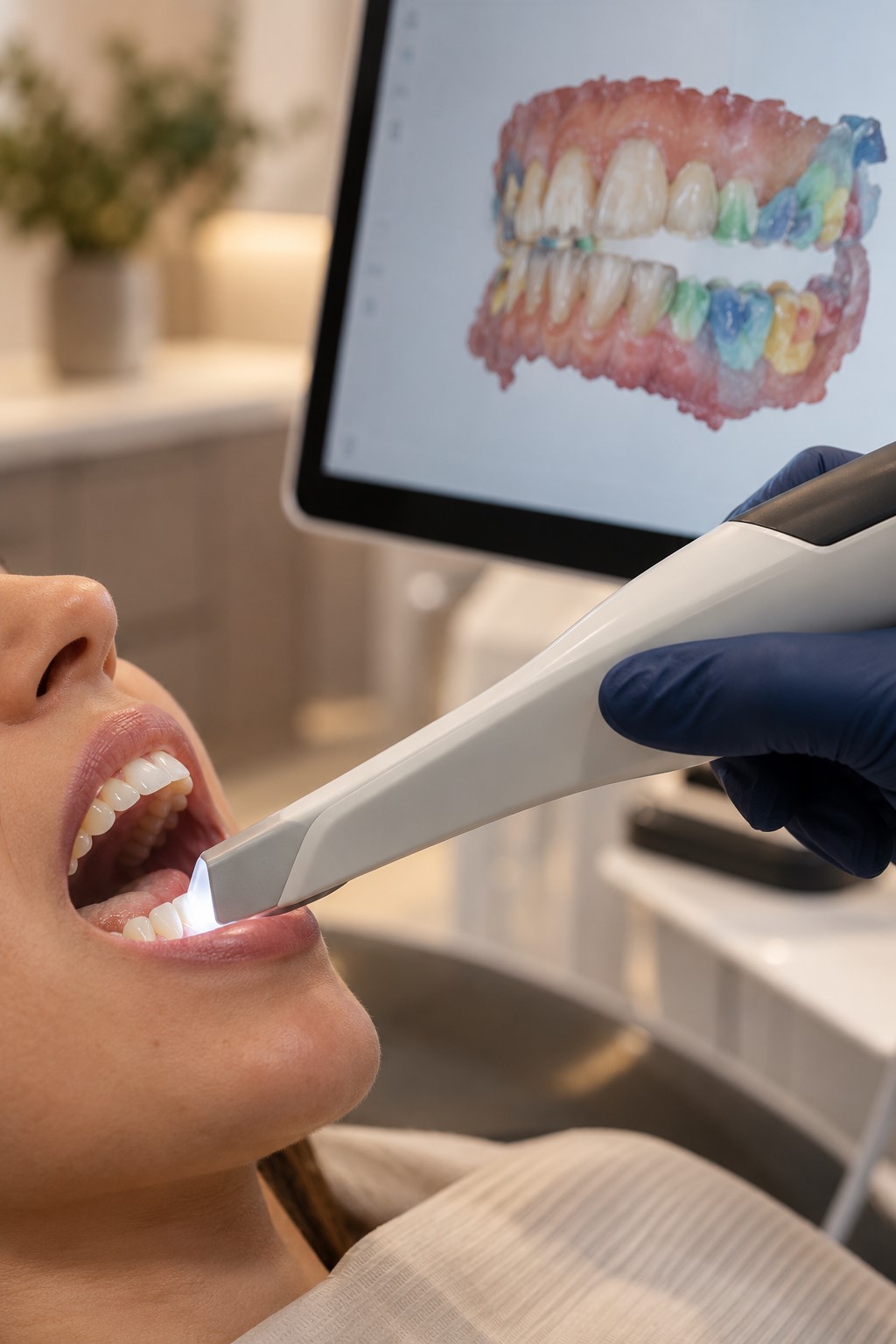
When you bite down, your upper front teeth usually overlap the lower ones slightly, while the back teeth fit together. Healthy bites vary. Malocclusion describes differences in tooth alignment or how the upper and lower teeth meet.
The appearance of your bite alone cannot settle whether treatment is needed.
Dental malocclusion: Sometimes the jaw relationship is broadly typical, but teeth are crowded, rotated, spaced apart or positioned outside the arch. An irregular tooth position does not automatically mean pain, difficulty chewing or a need for treatment.
Skeletal malocclusion: In other cases, the upper and lower jaws differ in their relative size or position. This skeletal component influences how the dental arches meet, even when individual teeth appear fairly straight. An overbite or underbite does not, by itself, show whether the issue is skeletal, dental or a combination. Tooth movement alone may not fully address a substantial jaw relationship difference, but surgery is not a default recommendation.
These patterns can overlap. A dentist looks at tooth positions and jaw relationships, sometimes with additional records, before discussing the findings. Monitoring may be reasonable for some people; others may benefit from orthodontic assessment.
How Can a Misaligned Bite Affect Everyday Oral Health?
A bite does not have to match one particular pattern to function well. Many variations remain stable without causing problems. Others affect everyday tasks or make certain areas harder to clean.

Biting and Chewing
When some teeth do not make contact, gripping or breaking down certain foods can feel awkward. The effect varies with the teeth involved.
In selected cases, tooth position can influence speech sounds, although speech difficulties have other possible causes.

Cleaning Crowded Teeth
Overlapping teeth can create spaces that are harder to reach with a toothbrush or floss. Plaque removal may take more attention.
Crowding does not automatically lead to cavities or gum disease. Daily cleaning and other oral health factors matter.

Tooth Contact and Wear
A dentist may examine contact patterns when tooth edges show wear or a filling is damaged. Grinding, erosion and other factors can also contribute, so wear alone does not establish a bite problem. Jaw pain needs separate assessment rather than being attributed automatically to misalignment.
What matters is whether the bite affects function, oral hygiene or the condition of your teeth. Appearance concerns count too. Some variations are best monitored rather than corrected.
Types of Malocclusion: Class I, II, III and Other Bite Patterns
Dentists use different terms to describe how teeth fit together. Class I, II and III refer to the front-to-back relationship of the first molars. Crossbite, open bite and deep bite describe specific patterns of tooth contact or overlap.

What Affects the Cost of Bite Correction?
No standard fee
Estimate after an examination
Bite correction is not a single procedure. Some bite variations need only monitoring, while others involve orthodontic alignment, restorative work or both. The cost of bite correction in Toronto reflects the care being recommended.
Clear aligners, other orthodontic approaches and restorative procedures involve different fees, and some care may require another provider. The extent of the concern and any additional records needed can affect costs. Ask whether the quote includes visits, refinements, retainers and follow-up care, and what you may owe after any insurance benefits.
Private Insurance and Direct Billing
Orthodontic benefits vary
Direct billing where applicable
Orthodontic benefits are often separate from routine dental coverage, and some plans offer none. Where benefits exist, age limits, lifetime maximums or waiting periods may apply.
Market Dental Centre offers direct insurance billing where applicable, but claims are not automatically approved. A predetermination can help estimate benefits without guaranteeing payment.
Does CDCP Cover Bite Correction?
No
Orthodontics not currently covered
Under the current Canadian Dental Care Plan (CDCP), orthodontic services, including Invisalign and braces, are not available for coverage.
The clinic accepts eligible CDCP patients for other qualifying services, subject to program rules.
How Are Bite Problems Assessed and Managed?
You do not need to arrive with a treatment in mind. Two people with similar-looking teeth can have different combinations of tooth alignment, jaw relationships and oral health concerns. The first question is what, if anything, needs attention.
1. Understanding Your Bite
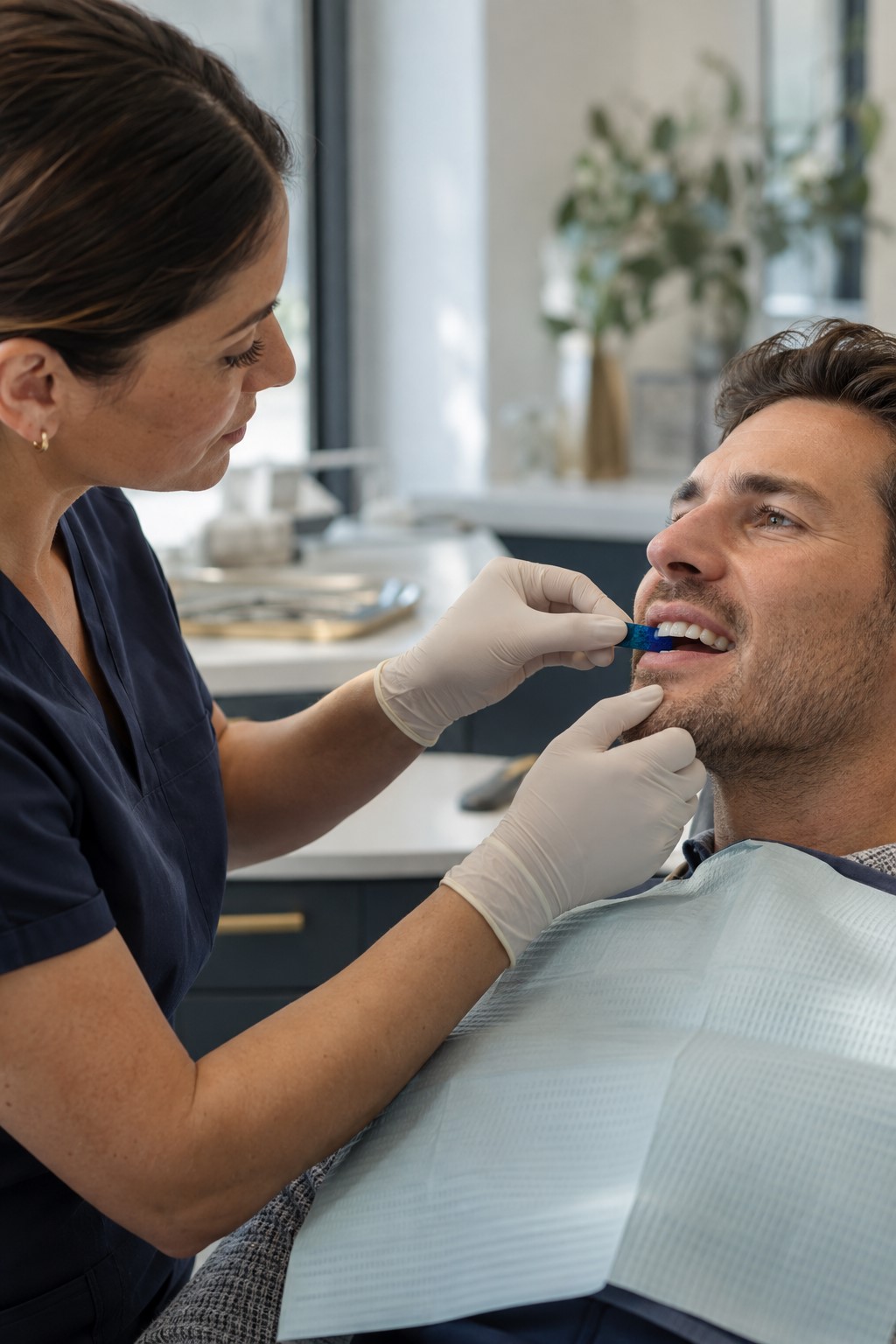
A comprehensive dental examination can begin with what concerns you, whether that is appearance, chewing or a question raised at an earlier visit. The dentist may review your medical and dental history, examine tooth positions and how the teeth meet, and check for wear, existing restorations and gum concerns.
These findings help clarify the dental and skeletal components of the bite. Additional records, imaging or specialist input may be considered when clinically useful.
2. When Monitoring May Be Enough
Some bite variations remain stable and cause no significant difficulty with cleaning or everyday function. Monitoring at routine visits may be reasonable, with another look if something changes.
For children, jaw growth and the arrival of permanent teeth can influence when orthodontic assessment is worth considering. Monitoring does not mean assuming a bite will never change.
3. Tooth Alignment and Orthodontic Options
When moving teeth is indicated, clear aligners or fixed braces may be considered. Market Dental Centre offers Invisalign for suitable patients, and its page on orthodontics and Invisalign clear aligners explains that option in more detail. Aligners are not suitable for every overbite, underbite, crossbite or open bite, and moving teeth alone cannot fully address every difference in jaw relationships.
Fixed braces are another established approach that may be discussed with an appropriate orthodontic provider. More complex cases may call for an orthodontic specialist's assessment, particularly when the underlying jaw relationship is a substantial part of the concern.
4. Restorative Care and Specialist Assessment
A worn or fractured tooth may need care regardless of whether orthodontic correction is planned. Restorative options, including custom dental crowns in selected cases, address damaged tooth structure rather than move teeth into alignment. A nightguard serves a different purpose: it may limit direct tooth contact during grinding, but it does not correct malocclusion.
When jaw relationships are complex, referral for specialist evaluation may be useful. That does not automatically mean surgery or any particular treatment. The goal is to understand which concern needs attention and what each proposed approach can realistically change.
Understanding Bite Terms: Open Bite, Deep Bite, Overbite and Overjet
Open Bite
In an open bite, some opposing teeth do not touch when other teeth are together.
Someone might notice a gap between the front teeth even when the back teeth touch.
Deep Bite
In a deep bite, the upper front teeth overlap the lower front teeth excessively in the vertical direction.
Someone might notice that the lower front teeth are partly hidden behind the upper ones.
Overbite vs. Overjet
Overbite and overjet are different measurements. Overbite describes how far the upper front teeth overlap the lower teeth vertically; a little overlap is normal. Overjet describes the horizontal distance between those teeth.
A deep bite means excessive vertical overlap, while increased overjet refers to a greater horizontal distance. Neither finding automatically establishes a Class II relationship. The American Association of Orthodontists provides additional orthodontic terminology in its glossary.
Labels Are Not a Complete Diagnosis
These labels describe relationships, not a complete diagnosis. The same classification can occur with different tooth positions or jaw relationships.
Age, growth, dental health and what a person hopes to change can all influence whether monitoring or further assessment is useful. A dentist examines how the bite functions rather than selecting treatment from a classification alone.
Signs Your Bite May Need Assessment
Some people have lived with the same bite for years without discomfort. Others notice something different. These observations can be worth discussing, even when nothing hurts.
These observations do not establish malocclusion or show that correction is needed. Cheek biting, difficulty chewing or altered tooth contact can have other explanations, and jaw clicking, headaches and muscle tenderness should be assessed on their own terms. For children, early pediatric dental exams can help determine whether a developing bite should be monitored or assessed further by an orthodontic provider. Adults can also raise changes or long-standing questions during a dental examination.

Why Visit Market Dental Centre About Your Bite?
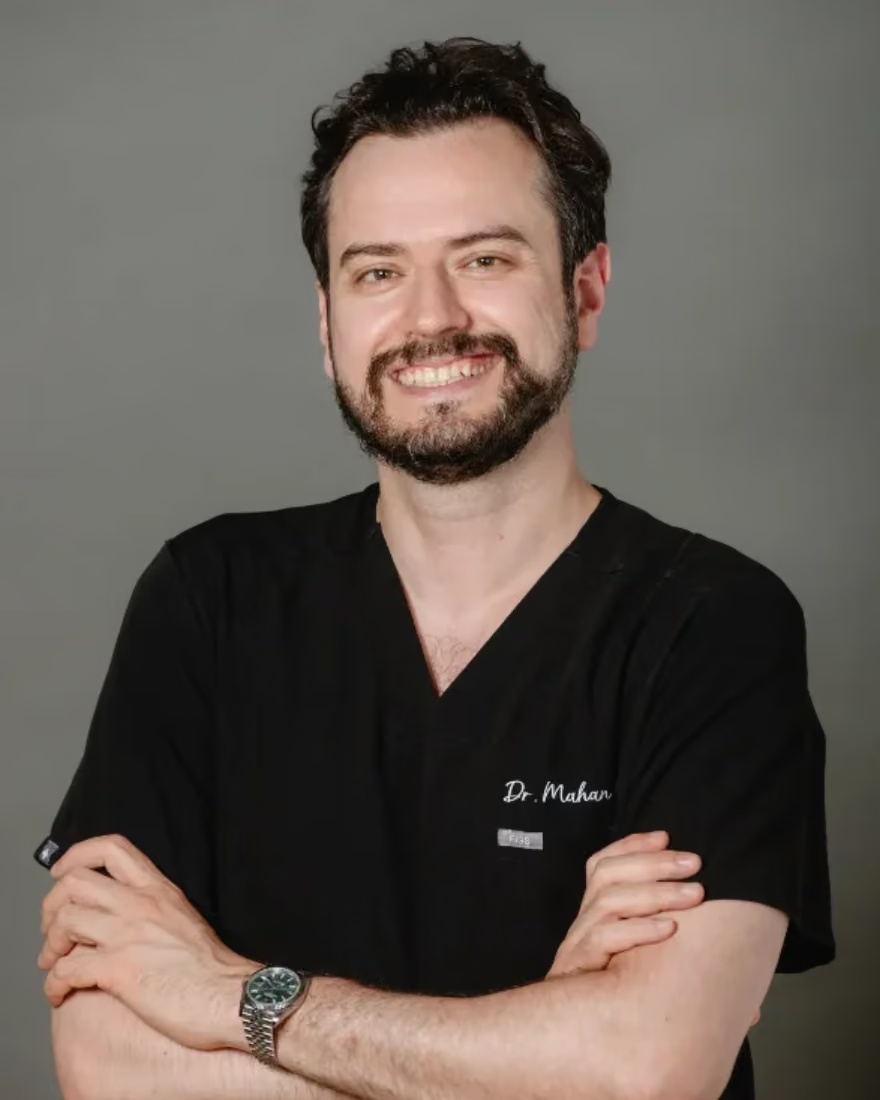
Market Dental Centre is a general dental practice at 149 Lower Jarvis Street in Downtown Toronto, near St. Lawrence Market. If you live, work or study nearby, you can raise concerns about your teeth or bite during a dental appointment without having to decide on treatment beforehand.
A discussion about alignment also takes account of the condition of your teeth and gums. Appearance and chewing concerns are both valid reasons to ask questions. Invisalign is offered for suitable patients, while restorative dentistry in Toronto addresses teeth that need repair rather than changing their alignment. More complex concerns may call for a specialist assessment if needed.
The clinic is open on weekdays and Saturdays, including Wednesday office hours until 7 pm. Because individual dentists may have different schedules, contact the team to check appointment availability and explain what you would like assessed. You can also ask what type of visit to request.
Frequently Asked Questions About Malocclusion
Still unsure after reading? Bring the question to your assessment.
Can a Misaligned Bite Cause Jaw Pain or Headaches?
Can Invisalign Correct an Overbite, Underbite or Crossbite?
Can Adults Have Malocclusion Treated?
At What Age Should a Child's Bite Be Checked?
Are Bite Problems Hereditary?
Can Teeth Shift Out of Alignment Later in Life?
Will Correcting My Bite Change the Shape of My Face?
Unsure Whether Your Bite Needs Attention?
Plenty of people wonder about their bite for years before bringing it up. A dental examination can help identify whether the way your teeth meet affects oral health or function, and whether monitoring or further assessment makes sense. Sometimes, no correction is needed. Market Dental Centre is a general dental practice in Downtown Toronto, near St. Lawrence Market. Contact the clinic to request an appointment about your bite. You can discuss the findings and any possible next steps before deciding whether to proceed with treatment.
Request a Bite Assessment
We’ll follow up to confirm a time and answer your questions.
Please do not include sensitive medical information. This form is for appointment requests only.
