



Dental Bonding in Downtown Toronto: Cosmetic Repair for Chips, Gaps & Uneven Teeth
A small chip or gap can seem minor until you start noticing it everywhere: in a close-up photo, on a video call or in the mirror before work. Cosmetic dental bonding is one way to address concerns like these. Tooth-colored composite resin is applied to selected areas of a tooth and shaped to repair a chipped tooth edge, reduce a small gap or adjust an uneven contour. In appropriate cases, composite bonding may require less tooth alteration than some indirect restorations. Bonding is not right for every chip, crack, gap or color concern. The extent of the damage, your bite, tooth position and gum health can all influence whether it is appropriate. Market Dental Centre is a general dental practice in Downtown Toronto near St. Lawrence Market. An assessment can help determine whether bonding suits the tooth and which other options may be worth comparing.

What Is Dental Bonding and How Does It Work?

Most of the work in dental bonding happens directly on the tooth. With composite dental bonding, a tooth-colored composite resin is placed on selected areas, shaped while workable and then hardened in place. Because the restoration is built directly on the tooth rather than fabricated in a dental laboratory first, bonding is considered a direct restoration. Porcelain veneers and crowns, by comparison, are typically fabricated before they are attached to the tooth.
Bonding and fillings can use similar materials, but they serve different purposes.
That direct approach is one reason bonding can be relatively conservative. In some cosmetic cases, little or no tooth structure may need to be removed compared with treatments that cover more of the tooth. Other situations require more preparation. The condition being treated, existing restorations, amount of repair, bite and treatment goal all influence how the tooth is prepared.
Anesthesia varies too. Some limited cosmetic bonding confined to enamel may not require local anesthesia, but that is not true of every case.
Cosmetic bonding generally focuses on selected changes to shape, contour or appearance. Composite resin tooth fillings treat tooth structure affected by decay or damage, with diseased or compromised tissue managed according to the clinical situation.
What Can Dental Bonding Help With?
Bonding may be considered for several common cosmetic and restorative concerns, but similar-looking problems can need very different treatment once the tooth is examined.
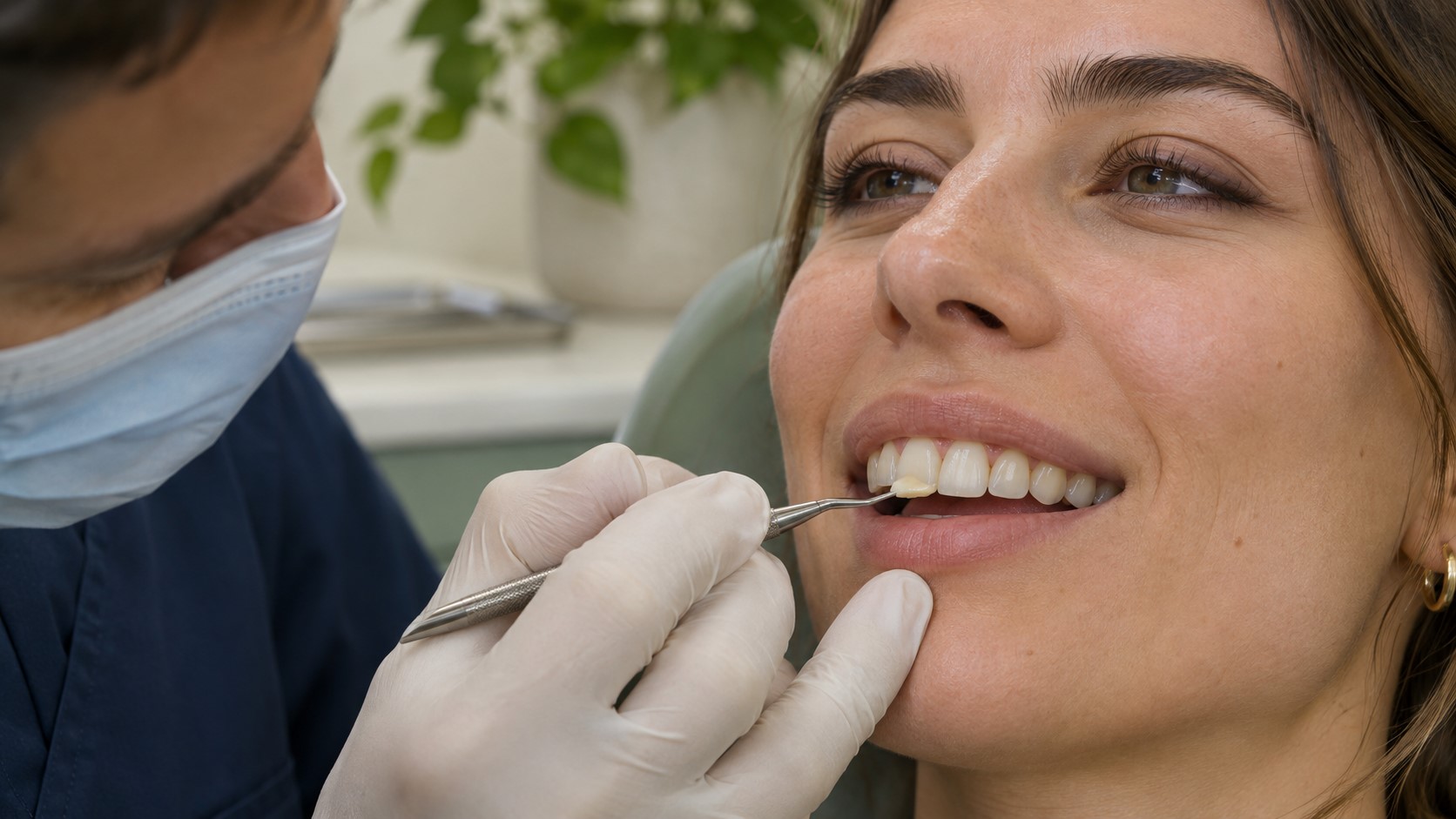
Chipped, Uneven or Short Tooth Edges
Chipped tooth edges: Chipped tooth repair with bonding is generally considered for smaller edge or corner defects. A deeper fracture, a suspected crack, significant pain or a loose tooth after an injury needs assessment before cosmetic repair. If the situation is urgent, emergency dental care may be appropriate.
Uneven or short edges: If one tooth looks slightly shorter than its neighbor, or an edge has worn unevenly, composite bonding may be used to adjust the contour in selected cases. How much can be added depends on the bite and available tooth structure.
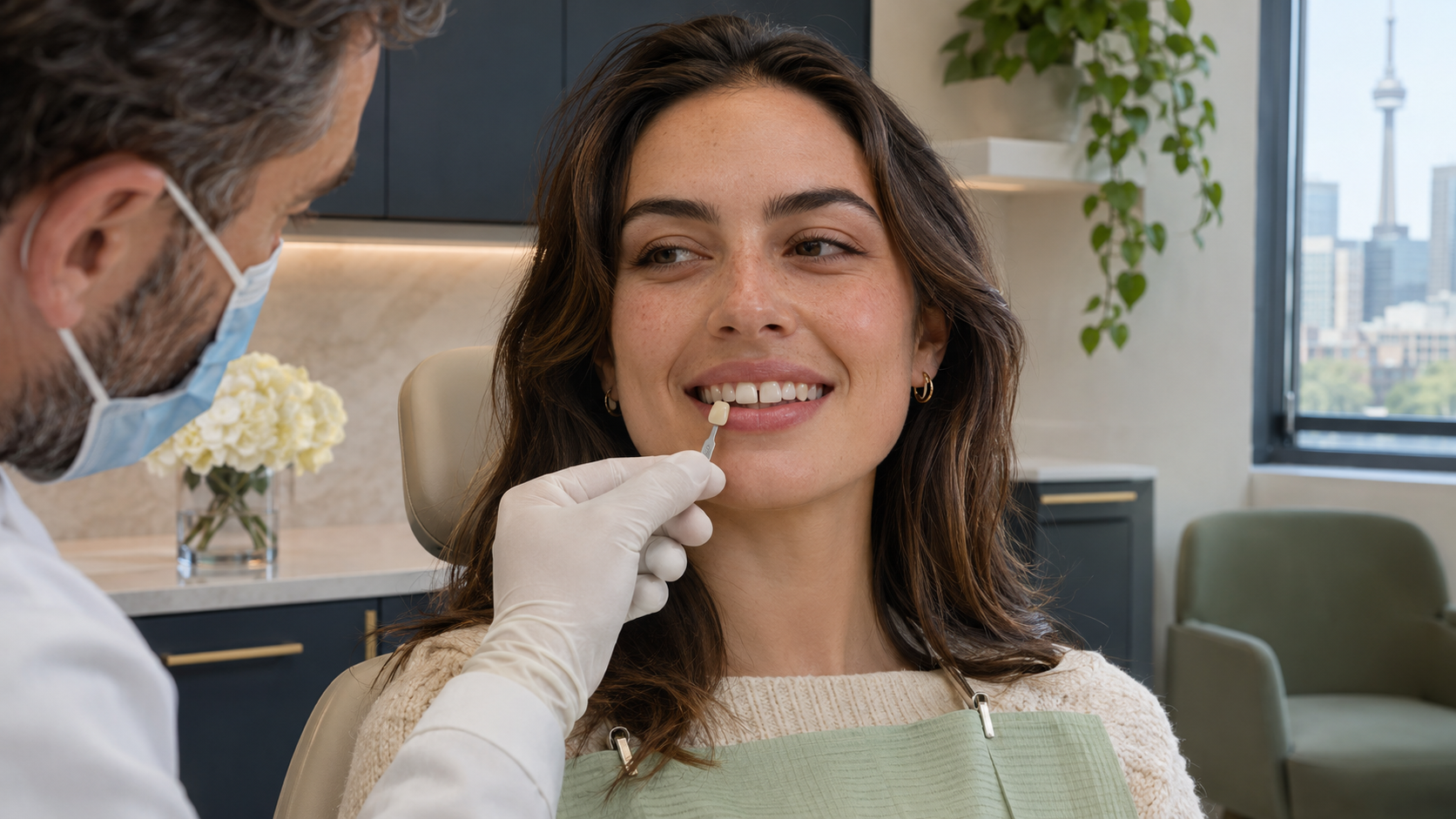
Small Gaps and Localized Color Differences
Small gaps between teeth: Dental bonding for gaps can sometimes reduce or close a small space, an approach known as diastema closure. Not every gap needs treatment. Bite, tooth proportions and gum health matter, and some spaces are better managed with orthodontic care.
Localized color differences: A small area of tooth discoloration, such as a localized spot or band, can sometimes be masked with composite. Bonding does not remove the discoloration underneath, and deeper color changes may still remain visible.
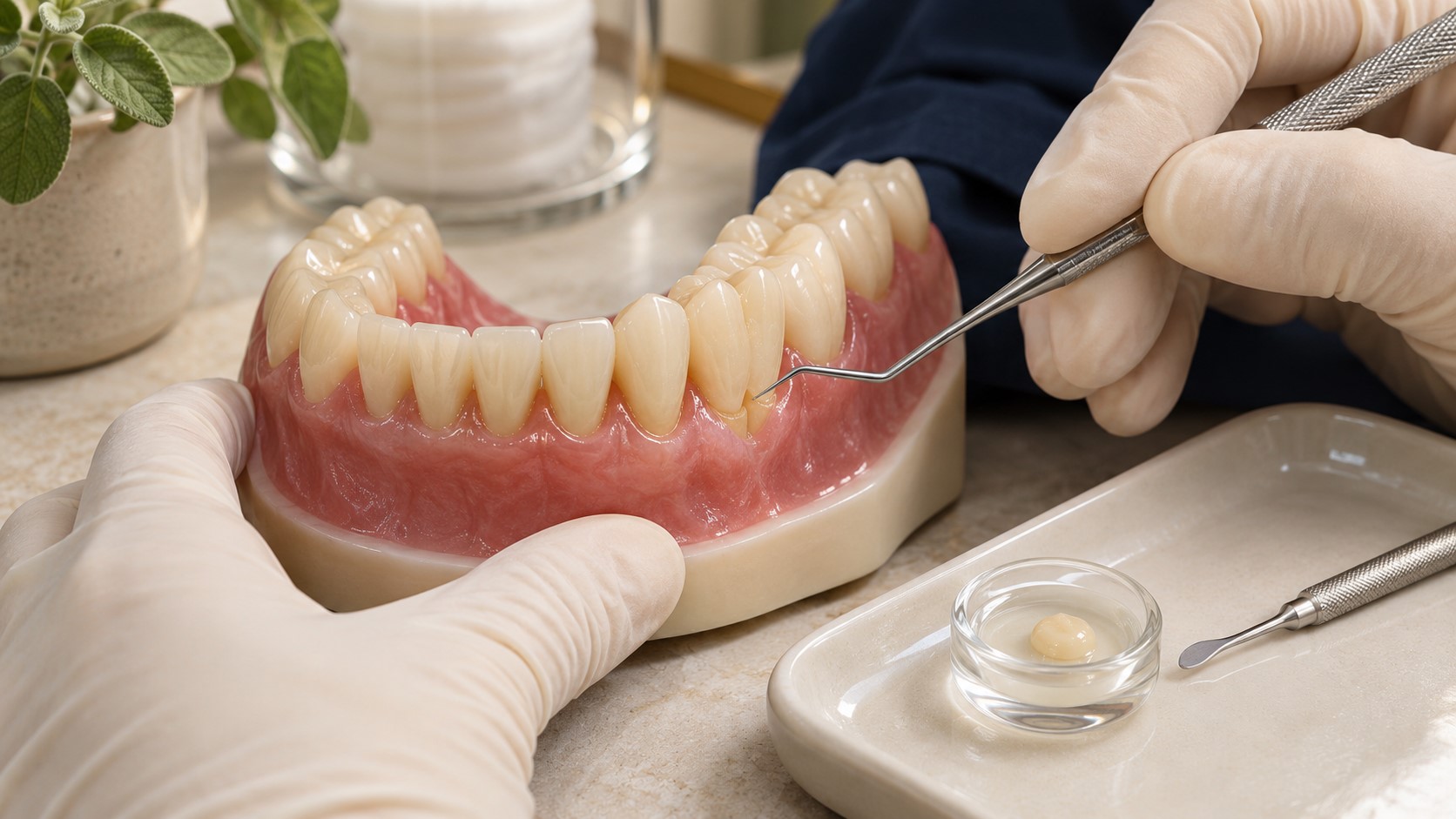
Exposed Root Areas and Small Restorative Defects
Selected exposed root areas: Composite is sometimes placed over selected notches or defects on exposed root surfaces. This does not treat gum recession itself and may not change sensitivity. Because recession can have several causes, periodontal assessment may be appropriate.
Small restorative defects: Tooth-colored composite is also used to restore certain small areas affected by decay or damage. That is restorative care rather than cosmetic bonding. Decay is diagnosed through an examination, with dental imaging used when clinically appropriate, rather than by appearance alone.
Dental Bonding vs. Porcelain Veneers: How Do They Compare?
Direct dental bonding, porcelain veneers and dental crowns address different problems, and the tooth itself usually narrows the choice. Here is how bonding and porcelain veneers generally compare; crowns are covered further down the page.

How Much Does Dental Bonding Cost in Toronto?
Based on the repair needed
Estimate after an examination
A useful estimate for dental bonding cost in Toronto usually starts with an examination, because similar-looking concerns can require very different amounts of treatment.
The overall fee can reflect the number of teeth or areas being treated, the size and complexity of the repair, whether the treatment is primarily cosmetic or restorative, and other dental care needed before or alongside composite bonding. The Ontario Dental Association Suggested Fee Guide may be used as a reference, but it does not set mandatory fees, and dental offices establish their own pricing.
Does Dental Insurance Cover Bonding?
Depends on your plan
Direct billing where applicable
Dental insurance coverage depends on the individual plan, applicable procedure codes, deductibles, annual maximums and other terms. A plan may cover repair of a chipped or damaged tooth differently from care that is primarily cosmetic.
A predetermination can help estimate expected benefits before treatment, but it does not guarantee reimbursement. Market Dental Centre offers direct insurance billing where applicable, which can simplify the claims process for eligible services.
Canadian Dental Care Plan (CDCP)
CDCP patients accepted
Coverage checked before treatment
Market Dental Centre accepts eligible CDCP patients. Coverage for a specific bonding or restorative service should be checked under current CDCP rules before treatment.
A patient contribution may apply depending on current program terms and individual eligibility. After an assessment, the clinic can provide a treatment estimate and help review the coverage information available.
What Happens During Dental Bonding?
Because direct dental bonding is built on the tooth rather than fabricated in a lab, most of the work happens chairside. The process generally follows a few stages, although the details and appointment length vary.
1. Assessing the Tooth and Treatment Goal
Before material is placed, the dentist examines the tooth, the chip or cosmetic concern, existing restorations and, where relevant, how the teeth meet.
This is also when bonding may turn out not to be the most suitable option.
2. Shade Selection and Surface Preparation
If you are considering professional teeth whitening, discuss it before a shade is chosen because composite does not lighten the way natural tooth structure does.
When appearance matters, a shade is selected to blend with neighboring teeth as closely as practical. The tooth surface is then cleaned and prepared or conditioned as needed.
3. Placing and Shaping the Composite
Tooth-colored composite resin is placed directly onto the selected area while workable. It is built up and shaped to the planned contour, such as rebuilding a corner, reducing a small space or adjusting an uneven edge.
4. Hardening, Finishing and Checking the Bite
A curing light is used to harden the composite during treatment. The restoration is then trimmed, finished and polished to refine its shape and surface.
The bite, contour and surface smoothness are checked before treatment is completed. Small adjustments may be made where appropriate so the restoration fits comfortably within the bite.
Choosing Between Bonding, Veneers and Crowns
When Direct Dental Bonding May Fit
Bonding is typically considered for selected minor changes, such as small chips, gaps or contour concerns. No laboratory fabrication is required for the bonded portion, which can reduce treatment steps.
Composite can often be adjusted, polished or added to later, which makes small touch-ups possible. In exchange, it generally needs more maintenance than ceramic because it is more prone to staining and surface wear.
When Porcelain Veneers May Fit
Porcelain veneers are typically used for broader changes to the color, shape or surface of selected front teeth. You can read more about custom porcelain veneers in Toronto before your visit.
Planning and fabrication add steps and can influence the overall fee. Ceramic generally keeps its surface finish longer than composite, but a chipped or fractured veneer is usually harder to touch up than bonding.
When a Dental Crown May Be Needed
A crown is used for covering and restoring a tooth that needs more extensive structural support. It is an indirect restoration made before placement, then cemented or bonded. Learn more about custom dental crowns.
Crowns generally require more tooth preparation than limited bonding, with preparation based on the tooth. They are often part of broader restorative care, and ongoing checks include the crown, the underlying tooth and the surrounding gums. Surface staining varies by material.
Which Option Suits Your Tooth?
People often search dental bonding vs. veneers as if one option must win. In practice, the right choice depends more on the tooth than on the treatment name.
Appearance goals matter, but so do structural needs, existing dental work and the amount of healthy tooth remaining. An examination helps show which of these options the tooth can realistically support.
How to Care for Bonded Teeth
Dental bonding aftercare looks a lot like caring for your natural teeth, plus a few habits that can help protect the composite over time.
Routine dental visits also provide an opportunity to check the restoration and polish or adjust it when appropriate. Good habits help, but longevity also depends on restoration size and location, bite forces, habits and everyday wear.

Why Consider Market Dental Centre for Dental Bonding in Downtown Toronto?

Downtown location. Market Dental Centre is a general dental practice on Lower Jarvis Street near St. Lawrence Market in Old Town Toronto. For people who live, work or study nearby, the location can be practical when asking about dental bonding in Downtown Toronto. Weekday and Saturday hours provide some flexibility when planning a visit.
Options can be compared. Bonding is one possibility, not the starting assumption. Because the practice also provides veneers, crowns, whitening and other restorative care, the discussion can include which options may fit the tooth and treatment goal. Gum and tooth health are considered alongside appearance, and another approach may be discussed if bonding is not suitable.
Help with coverage questions. Direct insurance billing is available where applicable, and eligible CDCP patients are accepted. Coverage questions can therefore be discussed alongside the treatment plan, without assuming that a specific bonding service will be covered under a particular plan.
Frequently Asked Questions About Dental Bonding
Still unsure after reading? Bring the question to your assessment.
Does Dental Bonding Hurt or Require Freezing?
Can I Whiten My Teeth If I Have Dental Bonding?
How Long Does Dental Bonding Last?
Is Dental Bonding Reversible?
How Long Does the Dental Bonding Procedure Take?
What Should I Do If My Bonded Tooth Chips?
Can Bonding Be Placed on Teeth With Existing Fillings or Crowns?
Talk Through Your Dental Bonding Options in Downtown Toronto
If you are looking into dental bonding in Downtown Toronto but still weighing it against another way to repair or reshape a tooth, you do not need to decide before your appointment. The same applies to an older bonded area that has chipped or changed color. An assessment at Market Dental Centre near St. Lawrence Market can look at the tooth, your bite where relevant and what you would like to change. From there, your dental bonding options and any reasonable alternatives can be discussed clearly.
Request a Dental Bonding Consultation
We’ll follow up to confirm a time and answer your questions.
Please do not include sensitive medical information. This form is for appointment requests only.
