



Comprehensive Dental Exam in Downtown Toronto: Complete Oral Health Checkups
If it has been longer than you intended since your last checkup, that is a common place to start. A dental exam helps you understand what is happening with your teeth, gums and other oral tissues, so you can see what needs attention and what can be monitored. Market Dental Centre is a general dental practice at 149 Lower Jarvis Street in Downtown Toronto, near St. Lawrence Market. We see new patients, people due for a routine dental checkup, and those returning after some time away from dental care. For many patients, an exam is the right first step. Regular dental exams can identify some changes before they become uncomfortable, which may allow for simpler or more conservative care in certain situations. If you live, work or study in Downtown Toronto, you can book an exam to get a current picture of your oral health.
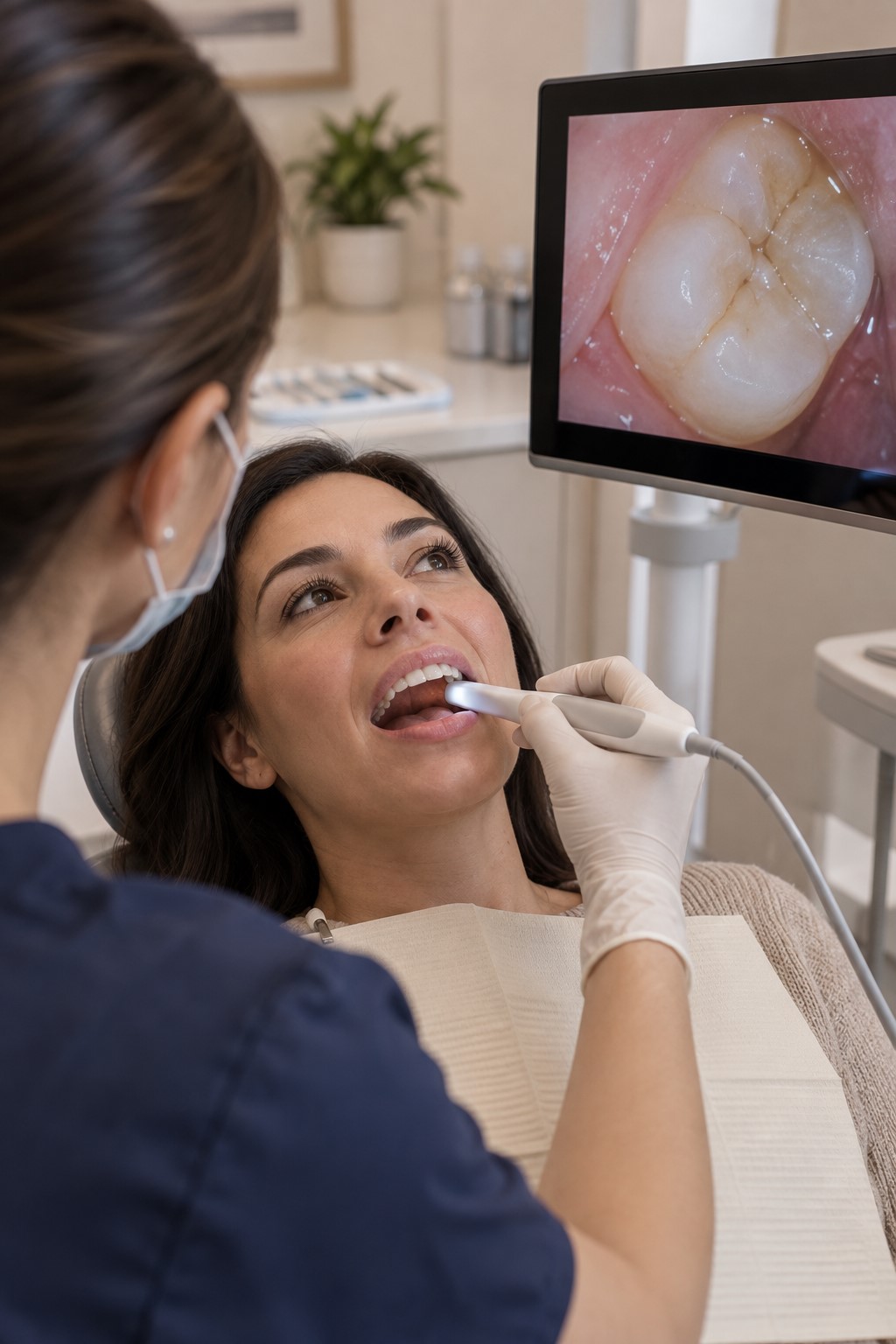
What Is a Comprehensive Dental Examination? (Beyond Just Checking for Cavities)
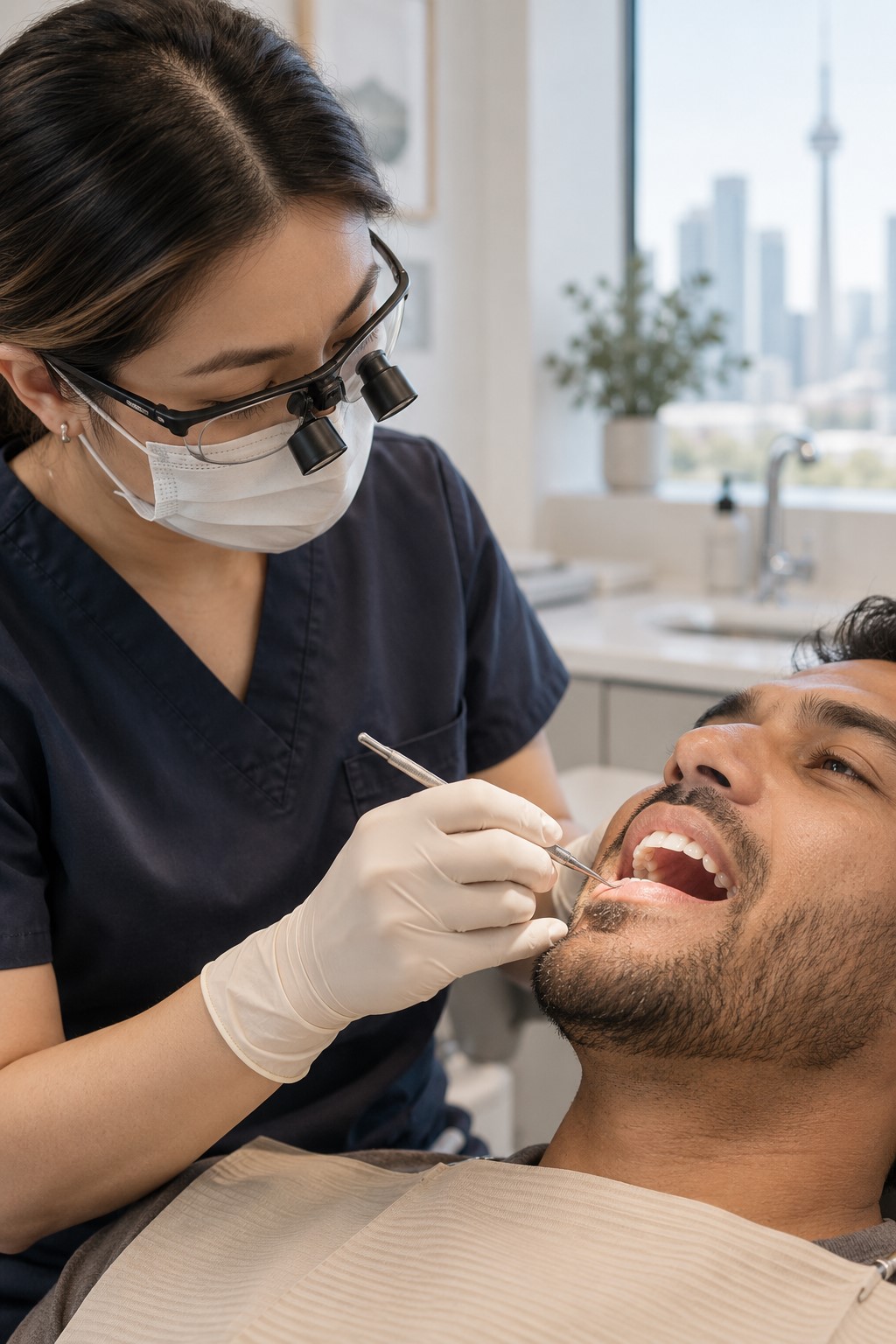
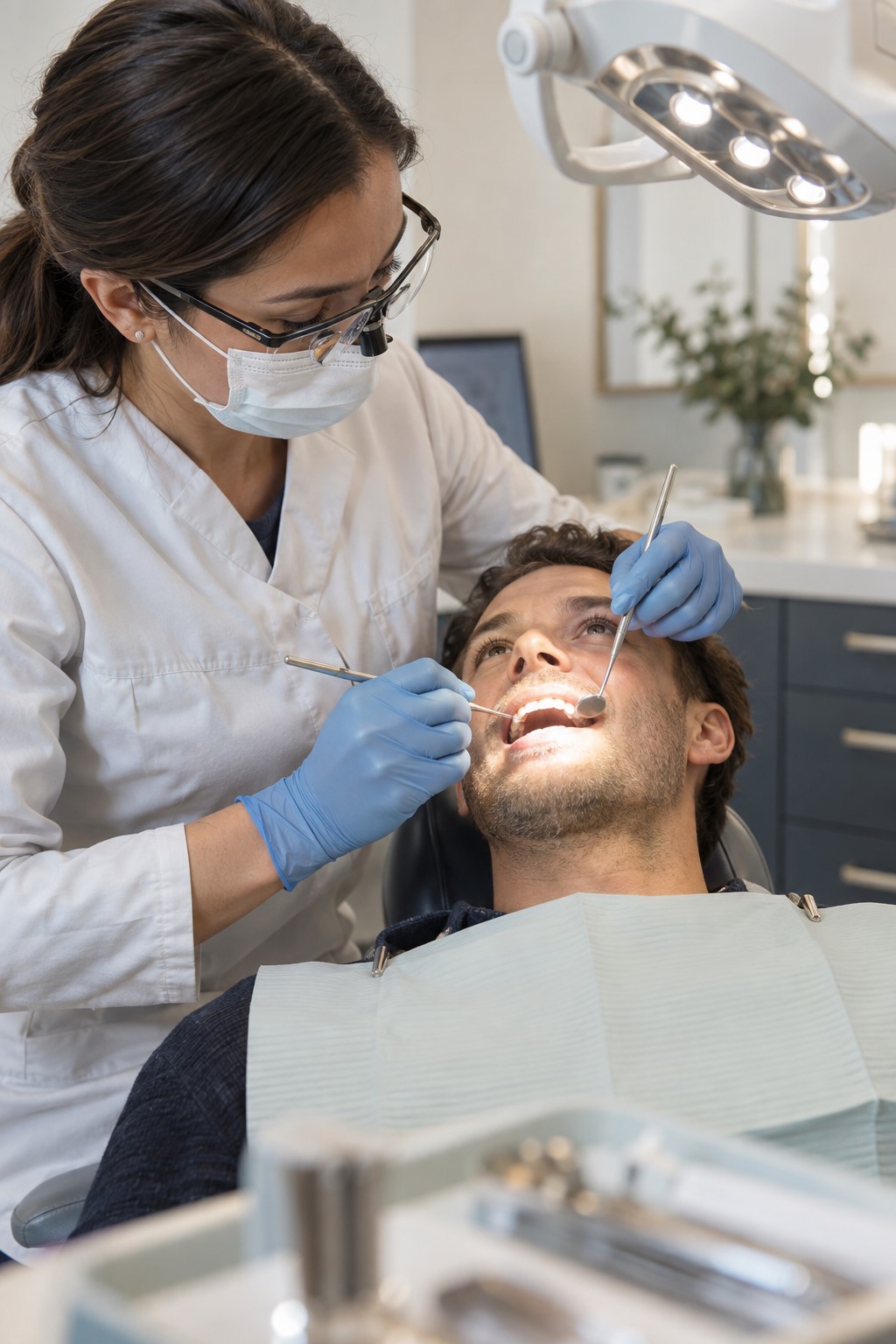
When a dentist examines your mouth, the question is broader than whether you have a cavity. Your teeth are one part of the picture. The gums and supporting tissues, tongue, cheeks, palate and other soft tissues can all provide useful information. The dentist may also assess how your upper and lower teeth meet, your jaw joints, and relevant areas of the head and neck.
What gets assessed at a particular appointment depends on the reason for the visit and your individual needs. A comprehensive dental examination generally covers more ground than a short, problem-focused exam and helps establish an overall picture of your oral health.
Some changes are noticeable right away.
Others may cause few or no obvious symptoms at first, such as early enamel changes, decay around an existing restoration, gum changes, signs of wear or cracking, or a soft-tissue finding that needs a closer look. Identifying a concern earlier can sometimes leave more options for managing it. In other cases, the appropriate next step may simply be monitoring.
The exam gives the dentist the clinical information needed before recommending preventive care, hygiene treatment, restorative or cosmetic options, or further assessment. Some checkups require no immediate treatment at all.
Modern Diagnostic Technology at Market Dental Centre
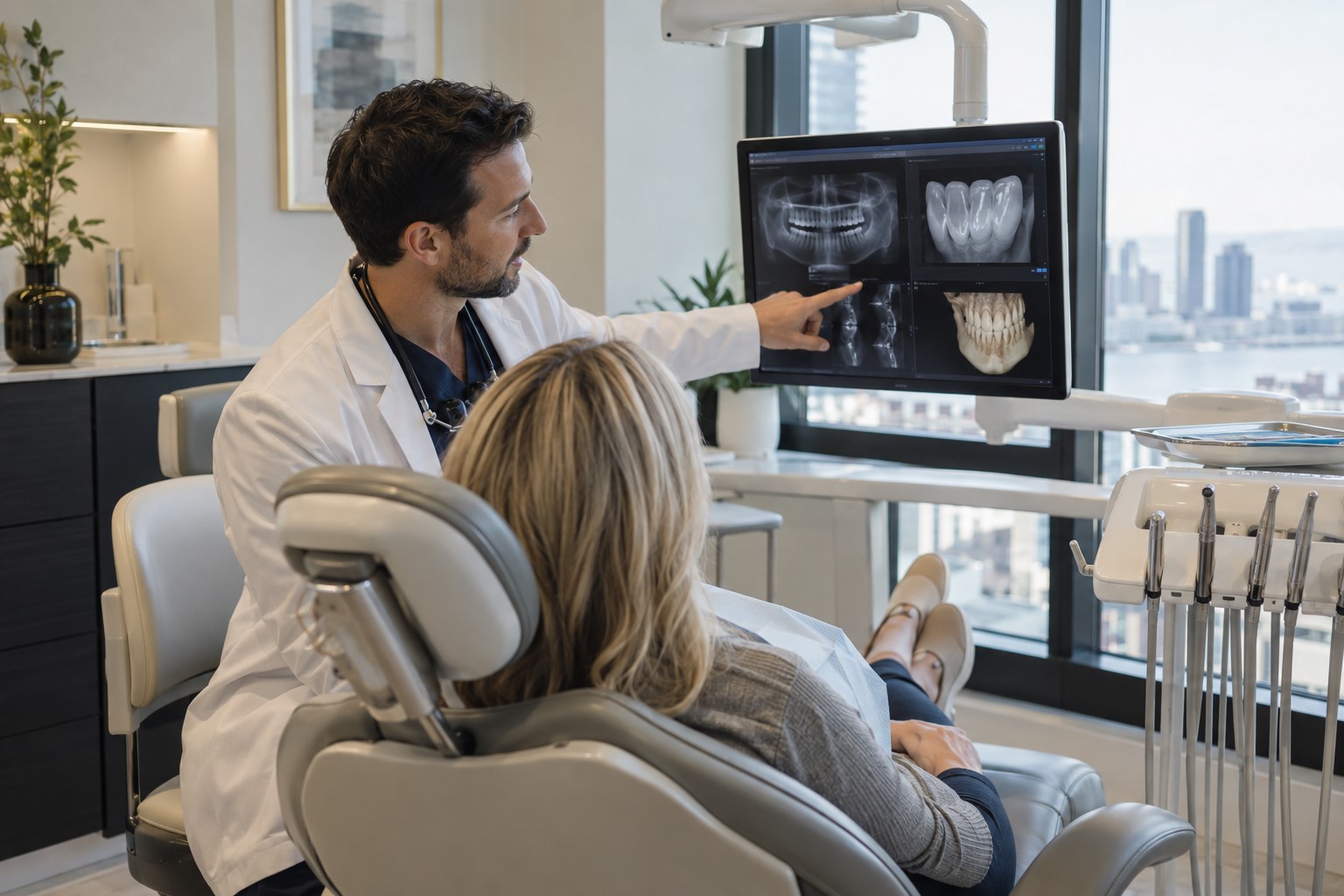
Not every appointment calls for every tool. What is used depends on the information needed for that visit. In some cases, digital images also give you something concrete to look at while the dentist explains a finding.
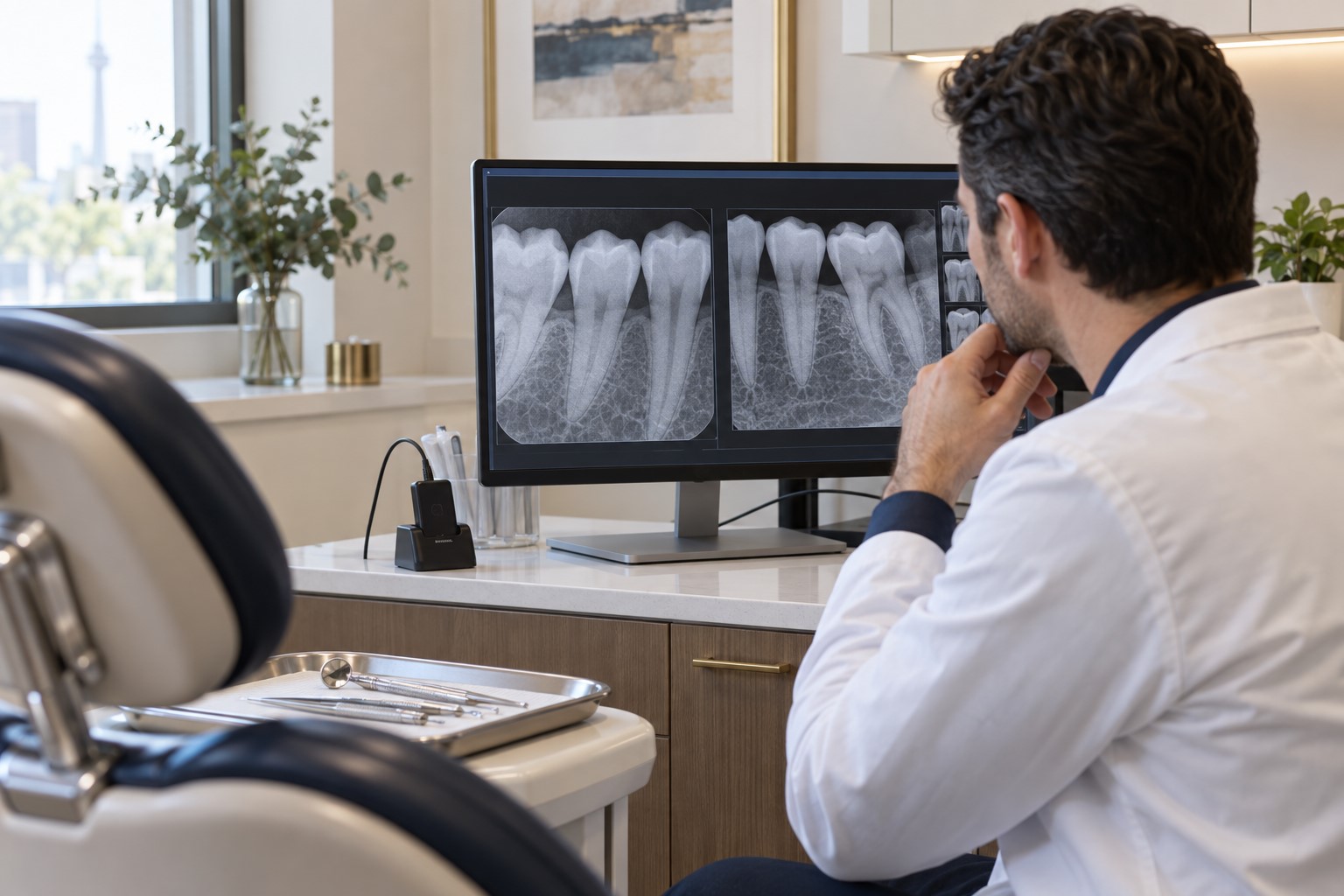
Digital Dental X-Rays
Digital X-rays can be reviewed on screen shortly after they are taken, where the images can be enlarged or adjusted for closer examination. They are prescribed according to clinical need and can provide information about areas that are difficult to assess visually, including between teeth, around roots and in the supporting bone.
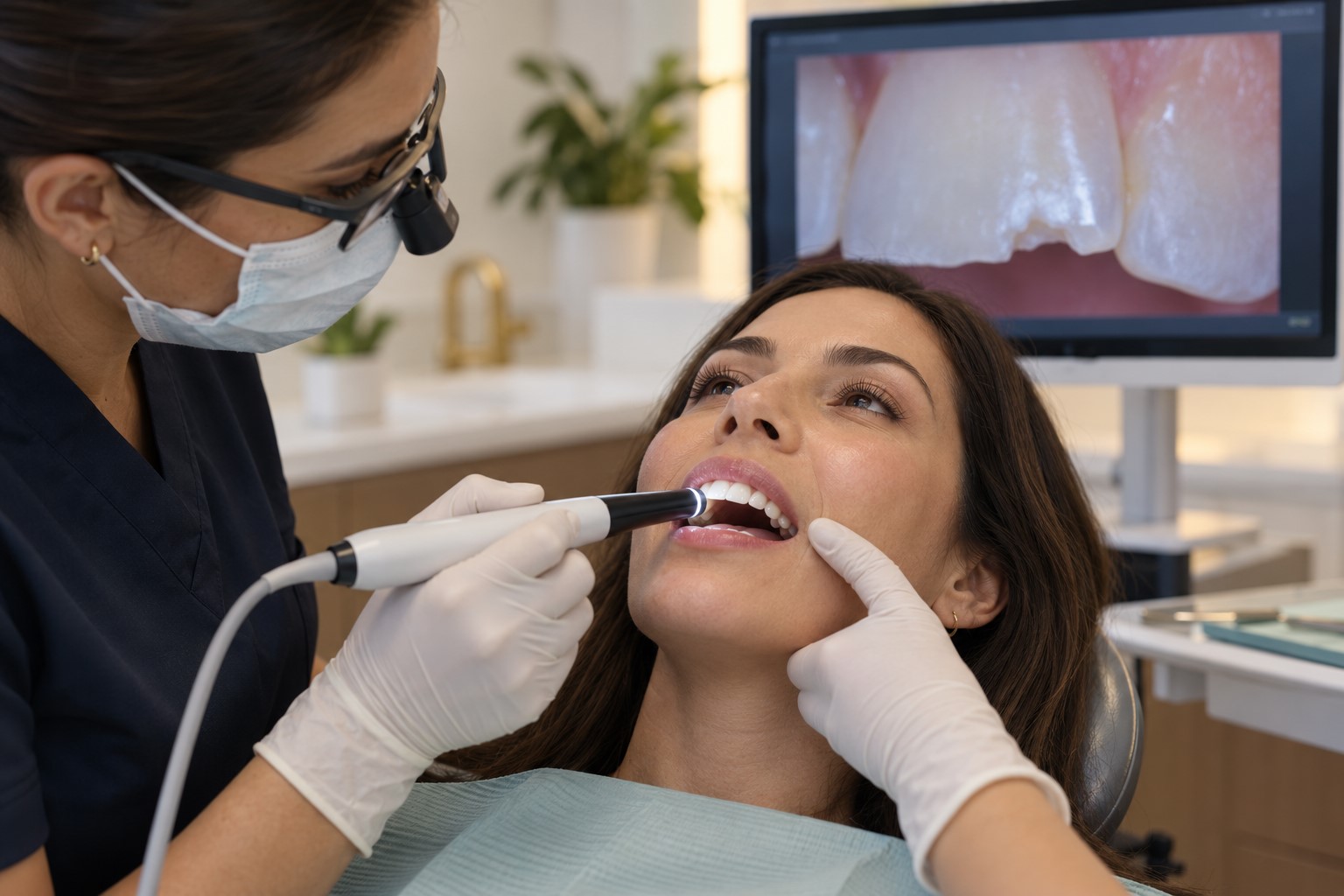
Intraoral Camera
A small handheld camera captures close-up images of teeth and gum tissue. If the dentist is discussing a chipped edge, a worn restoration or another visible change, the image can make the conversation easier to follow and give you a clearer reference for your questions.
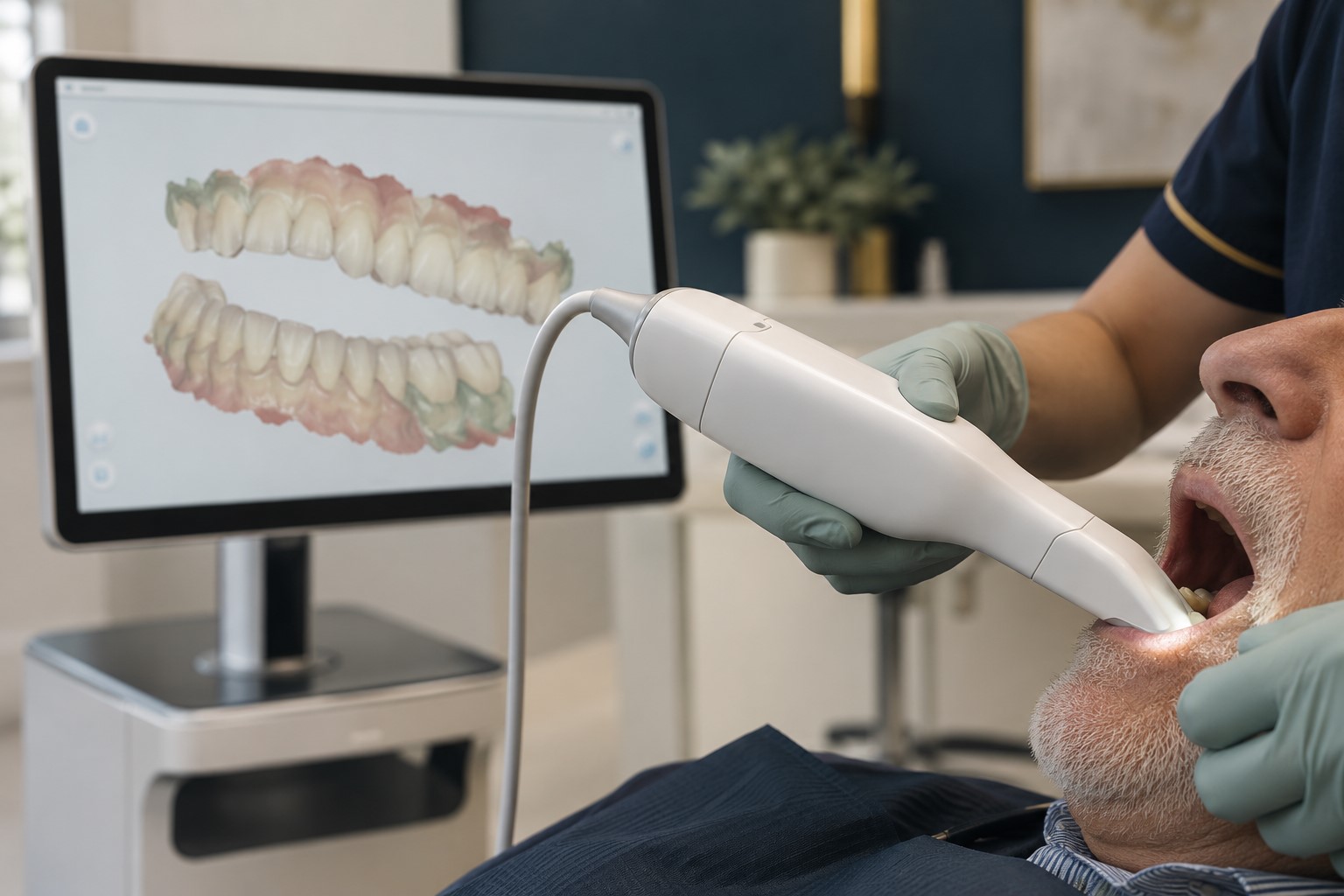
iTero Digital Scanner
The iTero scanner creates a digital 3D representation of the teeth and bite. It can be used when a digital record is useful for documenting current conditions or planning care, rather than as a routine part of every dental checkup.
Types of Dental Exams: Understanding Your Appointment
Not every dental appointment has the same purpose. Some visits establish a broader picture of your oral health, while others focus on one tooth, one symptom or a change that needs a closer look. Here is how the main types of dental exams differ.
What affects the cost of a dental exam?
There is no single price for every dental exam in Toronto. The fee depends in part on the type of examination and whether clinically indicated X-rays or other diagnostic records are needed. A dental cleaning is a separate service and may add to the total visit cost if it is booked at the same time.
The Ontario Dental Association publishes a Suggested Fee Guide that dentists and dental plan providers may use as a reference. It is not a mandatory Ontario price list, and individual dental offices set their own fees.
Private dental benefits and direct billing
Market Dental Centre can submit dental claims electronically. Direct billing does not mean the full cost is covered.
Your individual plan determines the amount eligible for reimbursement, along with any deductible, patient share, annual limit or frequency restriction. Some plans allow eligible benefits to be paid directly to the dental office, while others reimburse the patient.
Using CDCP at Market Dental Centre
For eligible services under the Canadian Dental Care Plan, Market Dental Centre follows the CDCP-established fee without adding a separate clinic markup above that amount.
Depending on adjusted family net income, the CDCP co-payment is currently 0%, 40% or 60%. Other out-of-pocket costs may still apply if a service or amount is not covered under the program. Before your visit, you can ask which exam is being booked, the current fee, and how your dental benefits or CDCP may apply.
Essential Checks Included in Your Dental Examination
The exact examination depends on the reason for your visit and your individual needs, but these are some of the areas a dentist may assess during a complete oral examination.
1. Digital X-Rays, Tooth Decay and Existing Dental Work
Bitewing, periapical or other digital dental X-rays may be prescribed when clinically indicated. They can provide information that is not available from a visual examination alone, including areas between teeth, around tooth roots, supporting bone, and around some existing dental work.
Decay does not always cause a toothache in its earlier stages. The dentist looks for changes in color, surface texture or tooth structure, while clinically indicated X-rays can provide additional information about areas that are difficult to assess by sight alone.
Fillings, crowns and other restorations are checked as part of the overall picture. Wear, fractures, damaged margins or changes in the surrounding tooth may need a closer look, but an older restoration does not automatically need to be replaced.
2. Gum and Periodontal Assessment
Gums may be checked for inflammation, bleeding, recession and other changes. When periodontal measurements are appropriate, they provide information about the spaces between the gums and teeth and can be compared with earlier findings to monitor changes over time.
3. Bite, Tooth Wear and Jaw Joint (TMJ) Assessment
How the upper and lower teeth meet can leave useful clues. Uneven wear, flattened edges or chipping may be considered alongside your bite and any history of clenching or grinding.
Clicking, popping, soreness or changes in how widely the jaw opens are worth mentioning. The dentist may assess jaw movement and the temporomandibular joints to decide whether anything requires further evaluation.
4. Oral Cancer Screening and Head and Neck Check
Oral cancer screening involves looking at and gently feeling the lips, tongue, cheeks, floor of the mouth, palate and other relevant tissues. The goal is to identify unusual changes that may need closer assessment or referral. Screening does not, by itself, diagnose oral cancer.
Relevant areas of the head and neck may also be examined for changes such as swelling, tenderness or unusual enlargement. Findings that need more investigation can then be discussed with you.
Dental Exam Frequency in Toronto: Common Questions
How often should you get a dental exam in Toronto?
There is no single checkup schedule that fits everyone.
The Ontario Dental Association recommends seeing a dentist at least once a year, while some patients may need more frequent exams based on their oral health, general health and lifestyle.
What factors can change how often you need a dental exam?
A few factors can change the interval:
- Current tooth decay or a history of frequent cavities
- Gum and periodontal health
Other factors include a tooth, restoration or other finding that is being monitored; health conditions or medications that affect the mouth, including those associated with dry mouth; and smoking and other habits that can influence oral health.
Is your dental exam schedule the same as your cleaning or X-ray schedule?
Your dental exam schedule is not automatically the same as your cleaning or X-ray schedule. Each is considered according to its own clinical purpose and your individual needs.
An exam is an assessment of your current oral health, a cleaning addresses plaque and tartar based on what is found, and X-rays are taken only when they are clinically indicated and expected to provide information that a visual examination cannot. Because these purposes are different, the appropriate interval for one does not necessarily apply to the others, and the same patient may be seen for an exam on one schedule and for cleaning appointments on another. Your dentist or dental hygienist can explain which intervals are being recommended in your case and why they may differ.
What if it has been longer than your dentist recommended since your last exam?
If it has been longer than your previous dentist recommended, you do not need to work out the ideal schedule before making an appointment.
A current exam can establish where things stand and what recall interval makes sense from there.
When Each Type of Dental Exam May Be Used
The type of exam that fits your visit depends less on what you ask for and more on where you are in your care. A first visit, a routine check between visits, a sudden problem and a follow-up on gum health each call for a different scope of assessment, which is why the same clinic may book two patients differently on the same day.
None of these categories is tied to a fixed calendar. Timing is based on your individual oral health needs and the clinical situation at the time, and the same patient may move between exam types over the years as those needs change. The steps outline which situations each type of exam is generally used for.
Why Choose Market Dental Centre for Your Dental Checkup?
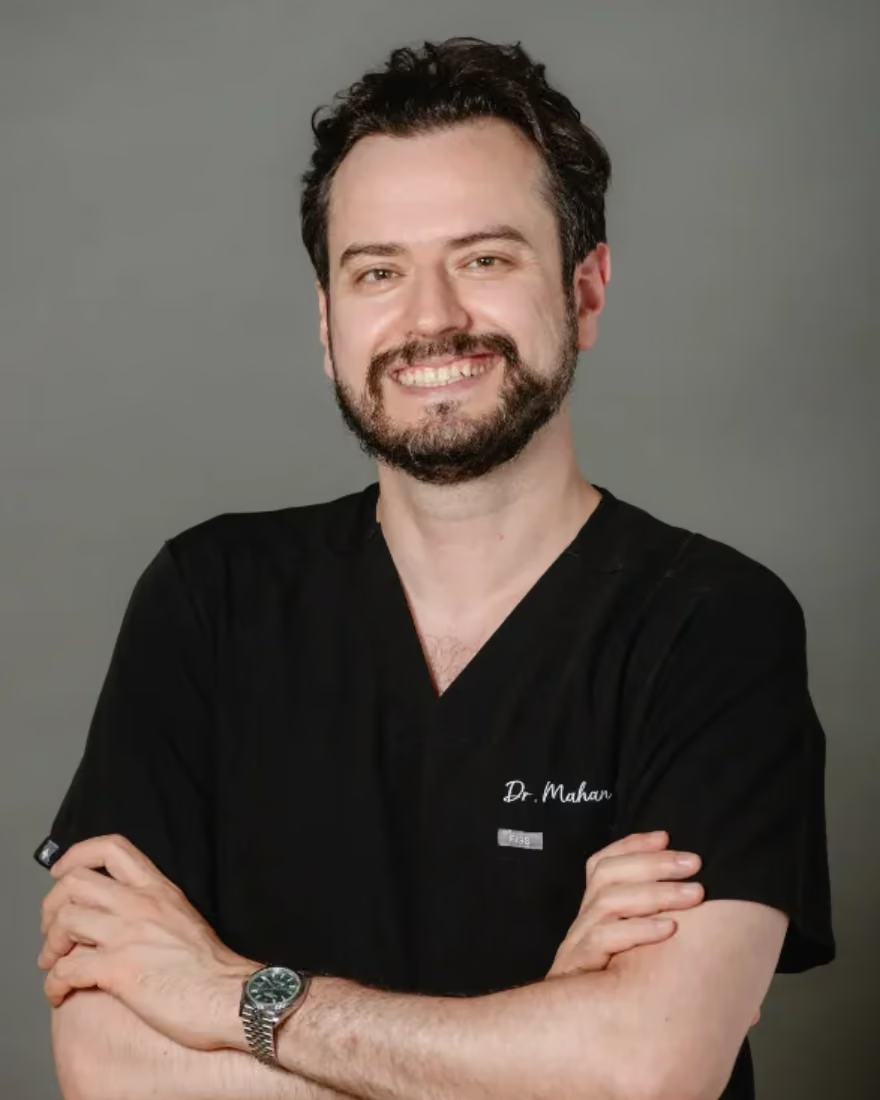
Market Dental Centre is at 149 Lower Jarvis Street in Old Town Toronto, near St. Lawrence Market. For people who live or work in the downtown core, the location can make it easier to keep dental care close to the rest of their routine.
As a general dental practice, the clinic can look at an exam finding in the context of your broader oral health. A worn filling, sensitive tooth or gum concern can be discussed alongside the rest of what the dentist sees, rather than treated as an isolated detail.
The examination provides the basis for any recommendations. Findings are explained in everyday language, questions are welcome, and when more than one reasonable option exists, the differences and limitations can be discussed with you. If it has been a while since your last visit, the focus is on what is happening now and what, if anything, needs attention next.
Frequently Asked Questions About Dental Exams
What is the difference between a dental exam and a dental cleaning?
How long does a dental exam take?
Do I need dental X-rays at every checkup?
Are digital dental X-rays safe?
What should I expect if I have not been to the dentist in years?
Can a dental exam find problems even if nothing hurts?
Does a dental exam include oral cancer screening?
Book a Dental Exam in Downtown Toronto
You do not need to have everything figured out before you book. You do not need to know which type of exam applies, whether X-rays will be needed, or what may be causing a particular concern. The appointment is where those questions start to become clearer, and any treatment recommendation can be discussed with you after the dentist has assessed the situation. Market Dental Centre is a general dental practice at 149 Lower Jarvis Street in Downtown Toronto, near St. Lawrence Market. Request an appointment online, or call the office and tell us what brings you in.
Book Your Dental Exam Online
We’ll follow up to confirm a time and answer your questions.
Please do not include sensitive medical information. This form is for appointment requests only.
