



Dental Fillings in Downtown Toronto: Tooth-Colored Cavity Restorations
A cavity does not always announce itself. Some people notice a twinge with cold drinks, a rough edge, or a filling that suddenly feels different. Others have no symptoms at all and only find out at a checkup. Market Dental Centre provides dental fillings in Downtown Toronto for selected teeth affected by decay or minor damage, using tooth-colored composite resin chosen to blend with the surrounding tooth. Not every damaged tooth calls for a filling. More extensive decay or a larger fracture may need a different type of restoration, which is why an examination comes first. If the local anesthetic or the sounds of treatment are on your mind, mention your concerns when you book so you know what to expect before treatment begins. You will find us at 149 Lower Jarvis Street, near St. Lawrence Market.
What Is a Dental Filling and Why Is It Necessary?

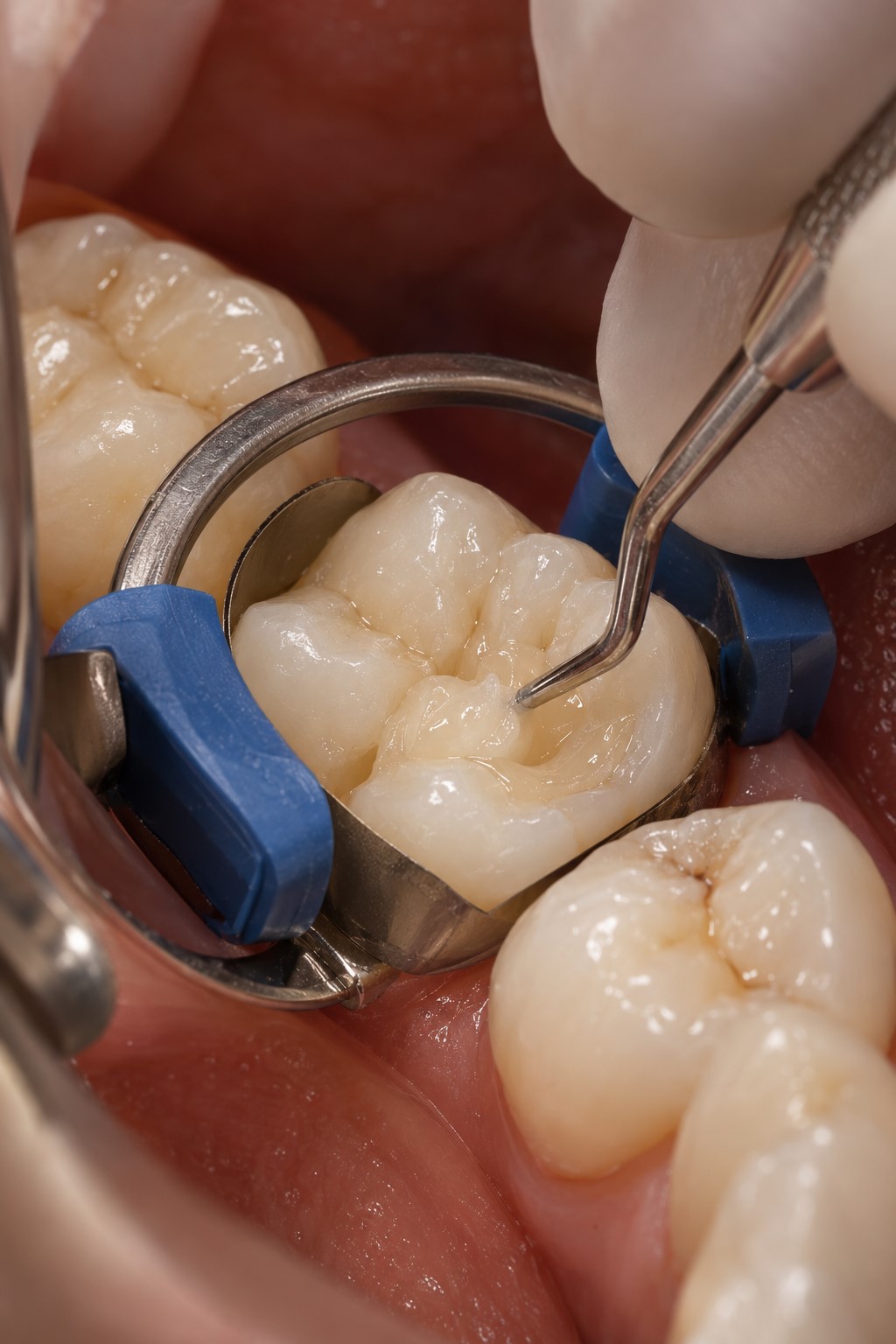
Plaque forms on the teeth throughout the day. Bacteria within that plaque use carbohydrates from food and drinks, producing acids that can gradually draw minerals from enamel. If that process continues over time, the tooth surface can break down and a cavity may form. It is a gradual process, not the result of a single sweet snack. A filling replaces tooth structure that has been lost to decay or selected minor damage. After assessing the tooth, the dentist removes compromised structure where appropriate and rebuilds the area with restorative material such as composite resin.
The goal is to restore the tooth's shape and function for everyday use.
A filling treats the area that is damaged now, but the tooth can still develop new or recurrent decay later. If active decay progresses, it can extend farther into the tooth. When enough healthy structure remains, a direct filling may be suitable; more extensive damage can require a different restoration, and deeper involvement may call for treatment beyond a filling. Filling material can also be used in selected cases for minor chips, small fractures, or worn areas, depending on the location, amount of remaining tooth structure, and bite.
Common Signs You Might Need a Tooth Filling
Any of these changes can be a reason to have a tooth checked, although none confirms on its own that a filling is the right treatment.

Sensitivity or Pain When Eating and Chewing
A twinge from ice water, hot coffee, or something sweet can occur with tooth decay, although exposed root surfaces, worn enamel, and other problems can feel similar. Sensitivity that persists or keeps returning is worth assessing. Discomfort when pressure is placed on a tooth while biting or chewing can also have several causes, including decay, a crack, or a problem with an existing restoration. An examination helps distinguish between them.

Chipped Teeth or Damaged Fillings
You may notice a sharp edge against your tongue, a rough area, or a tooth that feels different when chewing. Minor chips or cracks can sometimes be restored with filling material, while larger fractures may need another approach. An existing filling can also chip, loosen, wear, or fall out. The tooth should be assessed to determine whether repair, replacement, or another treatment is appropriate. Significant pain or swelling warrants more prompt attention.

Visible Changes or Decay Found During an Exam
Dark spots, discoloration, or pits can be a sign of decay, but staining and decay can sometimes look alike. A change in the tooth surface cannot be diagnosed from appearance alone and may need a clinical exam, with imaging when indicated. Some cavities also develop without noticeable symptoms. During a routine examination, the dentist may find changes you have not felt, and X-rays may reveal decay in areas that are difficult to see directly, particularly between teeth.
Types of Dental Fillings: Why We Focus on Tooth-Colored Composite Resin
The material used to restore a tooth depends on where the damage is, how much healthy structure remains, and the forces the tooth handles when you bite and chew. This page focuses on tooth-colored composite resin, but it is useful to understand how the main restorative options differ.

What Affects the Cost of a Dental Filling?
One major factor is how many surfaces of the tooth are restored. A one-surface filling is billed differently from a restoration involving two, three, or more surfaces. Tooth location, material, restoration complexity, and any diagnostic services can also affect the fee. If the tooth needs treatment beyond a direct filling, the estimate changes with the recommended care.
The Ontario Dental Association publishes a Suggested Fee Guide that dentists and benefit providers may use as a reference. It is not a mandatory Ontario price list, and dental practices set their own fees.
Private Dental Benefits and Direct Billing
Market Dental Centre can submit eligible insurance claims and direct bill when the patient's plan and assignment rules allow.
Direct billing simplifies administration, but it does not guarantee reimbursement. Deductibles, coverage percentages, eligible fees, annual maximums, and other plan limits can affect what remains payable. Patients without private benefits can ask about the expected fee once treatment is identified.
Dental Fillings and the Canadian Dental Care Plan (CDCP)
Market Dental Centre also provides care for eligible CDCP patients. Fillings are among the restorative services that may be covered under program rules.
For eligible CDCP-covered services, the clinic follows the CDCP-established fee without adding a separate clinic markup above it. CDCP co-payments or charges for services outside program coverage may still apply.
What to Expect During the Dental Filling Procedure
The exact process varies with the tooth and the size of the restoration, but a composite filling commonly follows these stages. Knowing what comes next can make the appointment feel more predictable.
1. Examining the Tooth and Taking Any Needed X-Rays
The tooth and surrounding area are assessed first. When clinically indicated, digital X-rays may help evaluate areas that are difficult to see directly, particularly between teeth. These findings help determine whether a filling is the appropriate treatment.
2. Numbing the Area and Removing Decay
Local anesthetic is often used when the treatment area needs to be numbed. You may still notice pressure or vibration even when sharp sensation is reduced, so let the dentist know if anything feels uncomfortable. Decayed or compromised tooth structure is then removed, while sound structure is preserved where the clinical situation allows. You may hear sounds and feel vibration during this stage, and the amount removed depends on the extent and location of the damage.
3. Bonding and Placing the Composite Resin
The prepared tooth surface is conditioned so the bonding system and composite resin can adhere properly. This may involve an etching step followed by a bonding agent, with the area kept appropriately isolated. Tooth-colored composite resin is then placed and shaped to rebuild the missing structure. It may be added in layers when appropriate, and a curing light is used to harden the material during placement.
4. Checking Your Bite and Finishing the Filling
The dentist checks the shape of the restoration and how your teeth meet when you bite. The filling can then be adjusted and polished as needed. If your bite still feels noticeably high after the numbness wears off, contact the clinic.
How to Care for Your Dental Fillings
While the Numbness Wears Off
Wait until enough sensation has returned to eat safely, since it is easy to bite a numb lip, cheek, or tongue without realizing it.
Very hot foods or drinks are also harder to judge while the area is numb. Follow any instructions given for your specific restoration.
If the Tooth Feels Sensitive
Some temperature or biting sensitivity can occur after a filling.
If pain is strong, getting worse, the bite still feels noticeably high after the numbness has worn off, or the restoration feels loose or damaged, contact the clinic.
Daily Care Around a Filling
A filled tooth still needs regular plaque control.
Brush with fluoride toothpaste, clean between the teeth, and keep to the recall schedule recommended for your regular dental checkup and cleaning.
What Affects How Long a Filling Lasts
How long a filling lasts varies.
Restoration size and location, bite forces, clenching or grinding, new decay, and day-to-day care can all affect its longevity. No single lifespan applies to every tooth.
Replacing Old Silver Amalgam Fillings: What You Should Know
An older silver filling does not need replacement simply because of its age or because it contains amalgam. Health Canada and the Canadian Dental Association do not recommend routine removal of sound, serviceable amalgam restorations for perceived health reasons. The useful question is what condition the filling and surrounding tooth are in now. Repair or replacement may be considered if an examination finds:
In some cases, a smaller repair may be possible instead of replacing the entire restoration. Appearance can also be part of the discussion. If you prefer a tooth-colored restoration, the dentist can explain the options and trade-offs. Removing an existing filling can involve removal of additional tooth structure, and the condition of the tooth afterward helps determine whether composite or another restoration is appropriate.

Why Choose Market Dental Centre for Dental Fillings in Downtown Toronto?

If you are comparing dental clinics in Downtown Toronto, a few practical details may help you decide whether Market Dental Centre fits your routine.
Near St. Lawrence Market
Market Dental Centre is at 149 Lower Jarvis Street, near St. Lawrence Market. The location may suit people who live in Old Town Toronto, work downtown, or study nearby.
Digital Imaging When Clinically Useful
Digital dental X-rays may be used when an area cannot be assessed fully by visual examination alone, including some surfaces between teeth. Intraoral cameras can also help show areas inside the mouth.
Wednesday Evening and Saturday Dentist Hours
Dentist hours extend to 7 p.m. on Wednesdays and run from 9 a.m. to 3 p.m. on Saturdays. Those hours may help if weekday daytime visits are difficult. As a general dental practice, Market Dental Centre can assess a filling in the context of the tooth and your wider oral health.
Frequently Asked Questions About Dental Fillings
Does getting a dental filling hurt?
How long does a composite tooth filling last?
How soon can I eat after getting a composite filling?
What should I do if a dental filling falls out?
How much do white fillings cost in Toronto?
Are tooth-colored fillings covered by dental insurance?
Can old silver fillings be replaced with tooth-colored fillings?
Book a Dental Filling Assessment in Downtown Toronto
You do not need to know what treatment a tooth needs before getting in touch. That is what the assessment is for. If a tooth feels different, an existing filling has broken or come out, or another dentist has mentioned restorative treatment, the dentist can examine the tooth and explain the appropriate options. Market Dental Centre is in Downtown Toronto near St. Lawrence Market. Request an appointment online or call (416) 363-4115 to ask about available appointment times.
Book an Appointment Online
We’ll follow up to confirm a time and answer your questions.
Please do not include sensitive medical information. This form is for appointment requests only.
