



Periodontal & Gum Surgery in Downtown Toronto: Restorative & Cosmetic Care
The phrase “gum surgery” tends to raise two questions first: why might it be needed, and could something less involved be tried before surgery? Both deserve a clear answer. Gum surgery may be discussed when receding gums leave root surfaces exposed, periodontal problems persist after earlier treatment, more tooth structure needs to be exposed for restorative care, or the gumline creates a cosmetic concern. Gum grafting is one possible treatment, but it is not the answer to every gum problem. Some conditions can be managed with non-surgical periodontal care, while others may benefit from a surgical approach after assessment. Market Dental Centre is a general dental practice at 149 Lower Jarvis Street near St. Lawrence Market. If you are considering periodontal surgery, or have been told that surgery may be needed, an examination can help clarify the reason, the alternatives and what treatment may involve.

When Is Gum Surgery Necessary?

In many cases, periodontal disease is managed first with deep scaling and periodontal cleanings, followed by a recheck of how the gums respond.
In many cases, gum surgery is not where treatment starts.
Persistent periodontal pockets: If deep gum pockets or inflammation persist afterward, or the shape of the gum or bone makes an area hard to manage non-surgically, periodontal surgery may be discussed. Pocket depth is one finding among several. Response to treatment, tooth support and dental imaging when appropriate matter too.
Gum recession: Receding gums and exposed tooth roots are not always caused by periodontal disease. Brushing force, tooth position and gum anatomy can contribute. Some people notice gum sensitivity, while others are concerned about appearance or tissue support. Gum grafting may be considered in selected cases, while some areas are monitored instead.
Restorative needs: When a tooth is broken or decayed near the gumline, there may not be enough exposed structure for the planned restoration. Crown lengthening is sometimes considered, though not for every tooth or situation.
Cosmetic gum concerns: Gingivectomy or gum contouring may be considered when excess tissue contributes to an uneven gumline or gummy smile. A similar appearance can also relate to tooth eruption, lip movement or jaw structure, which may call for a different approach.
The decision rests on the clinical picture and treatment goals, not on one symptom such as bleeding or loose teeth.
Gum Surgery Recovery: What the First Few Weeks May Look Like
At home, the questions quickly become practical: what to eat, how to keep the area clean and how much your routine may change. Recovery depends on the procedure, the extent of treatment and the instructions you receive, so these phases are a general guide rather than a fixed timeline.

The First Few Days
Tenderness, swelling and light bleeding or oozing can occur early on. Swelling may become more noticeable before it begins to settle. Soft foods served cool or lukewarm are often easier, and you may be advised to avoid chewing on the treated area.
Oral hygiene should continue elsewhere, while the surgical site may need different care for a period of time. Rinsing instructions can also vary. With gum graft recovery, a palatal donor site may have its own tenderness and care instructions.

Later in the First Week
Swelling and tenderness often begin to ease, although the pace varies. Eating can expand gradually as comfort allows.
Time away from work or exercise depends on the procedure and your routine, with physically demanding work sometimes requiring more planning than desk-based work.

The Following Weeks
During periodontal surgery recovery, the area may feel better before healing is complete.
Follow-up visits can be used to check the tissues, review or remove sutures when needed and confirm how cleaning should continue. Graft and regenerative sites may continue to mature beyond early healing.
Types of Gum & Periodontal Surgery
Gum surgery is an umbrella term, and the procedures within it are not interchangeable. Some focus on gum tissue, while others provide access to the roots, supporting bone or both.

How Much Does Gum Surgery Cost in Toronto?
No single price
Estimate after an examination
The fee follows the treatment plan, and the same applies to gum graft cost. The Ontario Dental Association Suggested Fee Guide can be used as a reference, but it is not mandatory pricing and does not determine what an insurance plan will reimburse.
Dental offices set their own fees. The fee may reflect the type of periodontal procedure recommended, the number and location of areas being treated, the extent or complexity of treatment, whether grafting or regenerative treatment is involved, and follow-up care associated with the treatment plan. An assessment can provide a clearer treatment estimate without committing you to surgery.
Dental Insurance and Direct Billing
Coverage differs by plan
Direct billing where applicable
Dental insurance coverage for periodontal surgery differs by plan. Annual maximums, deductibles, co-insurance and frequency limits can affect reimbursement.
Market Dental Centre offers direct insurance billing where applicable, allowing eligible claims to be submitted to the insurer on the patient's behalf. A predetermination submitted before treatment can help clarify expected benefits, but it does not guarantee payment.
Canadian Dental Care Plan (CDCP)
CDCP patients accepted
Confirm coverage first
Market Dental Centre accepts eligible CDCP patients. The CDCP covers certain periodontal services, but coverage for the specific treatment recommended should be confirmed before treatment.
A patient contribution may also apply under current program rules.
What to Expect During Gum Surgery
Gum surgery varies with the procedure, so a graft appointment will not look the same as crown lengthening. This is a general picture of how periodontal surgery may progress, from planning through the immediate aftercare discussion.
1. Examination and Treatment Planning
Surgery is planned before the procedure begins. A comprehensive periodontal exam looks at gum health, tooth support and why surgery is being considered. Planning may also draw on periodontal measurements, dental imaging when clinically appropriate, and a review of your medical history and current medications.
This is also a useful time to ask about alternatives and what recovery could mean for work, school or daily routines.
2. Numbing the Treatment Area
Local anesthesia is commonly used to numb the area being treated. If tissue for a gum graft is taken from another part of the mouth, such as the palate, that area is typically numbed as well.
The goal is to control pain during treatment, although pressure, movement or vibration may still be noticeable. If injections are a source of anxiety, mention that before treatment begins.
3. Treating the Gum, Root or Supporting Tissues
This is where procedures differ most. Flap or pocket reduction surgery may provide access to root surfaces and supporting bone for cleaning and, when appropriate, reshaping. A gum graft places tissue where additional coverage or thickness is being sought.
Crown lengthening adjusts gum tissue and sometimes supporting bone. Selected regenerative procedures may use graft material or a barrier to support healing of periodontal tissues.
4. Closing the Area and Reviewing Aftercare
Suturing may be used to stabilize tissue, although not every procedure requires stitches. A protective periodontal dressing is sometimes used.
Before leaving, post-operative instructions typically cover care of the surgical area, eating, cleaning nearby teeth and when follow-up may be needed.
Does Gum Surgery Hurt? Comfort & Pain Management
During the Procedure
The treatment area is numbed first, with the goal of controlling gum surgery pain while the procedure is underway. Local anesthesia is commonly used at the surgical site.
Numbing does not remove every sensation. Pressure, movement or vibration may still be noticeable during periodontal surgery, but those sensations are different from pain.
Gum Graft Donor Areas
When a graft is taken from the roof of the mouth, two areas are treated and both are anesthetized before the procedure begins.
After treatment, the amount of tenderness varies with the procedure, the area treated and whether a donor site is also healing.
If You Feel Anxious
If injections or the procedure itself make you anxious, mention that beforehand so the dentist can explain what to expect.
It can also help to ask how long the appointment will take and to plan a quiet rest of the day. Knowing the steps in advance often makes the visit feel more manageable.
After the Anesthesia Wears Off
Tenderness can develop as the anesthesia wears off, and some post-operative discomfort can occur as the tissues begin to heal.
Pain-management recommendations should take your medical history and treatment into account, so follow the medication instructions provided for your procedure rather than using a one-size-fits-all approach. Contact the dental office if pain becomes severe, keeps increasing or does not follow the pattern described in your post-operative instructions.
When to Contact the Office During Recovery
Some tenderness, swelling and light oozing can be part of normal healing. Contact the dental office if:
If you are unsure whether something is part of normal healing, it is reasonable to call and ask. Keep your post-operative instructions handy so you can describe the procedure and any concerns clearly.
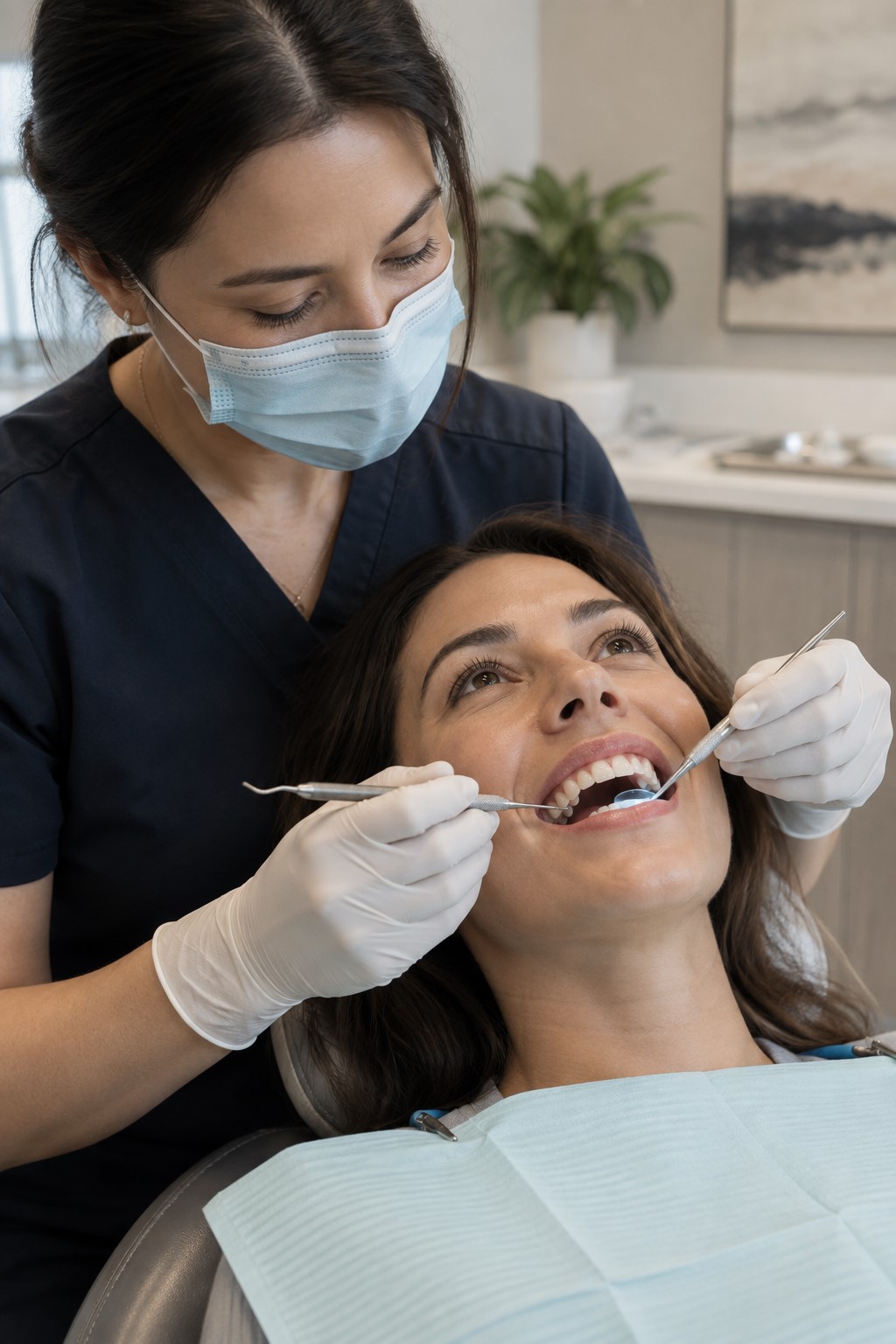
Why Choose Market Dental Centre for Gum Surgery in Downtown Toronto?
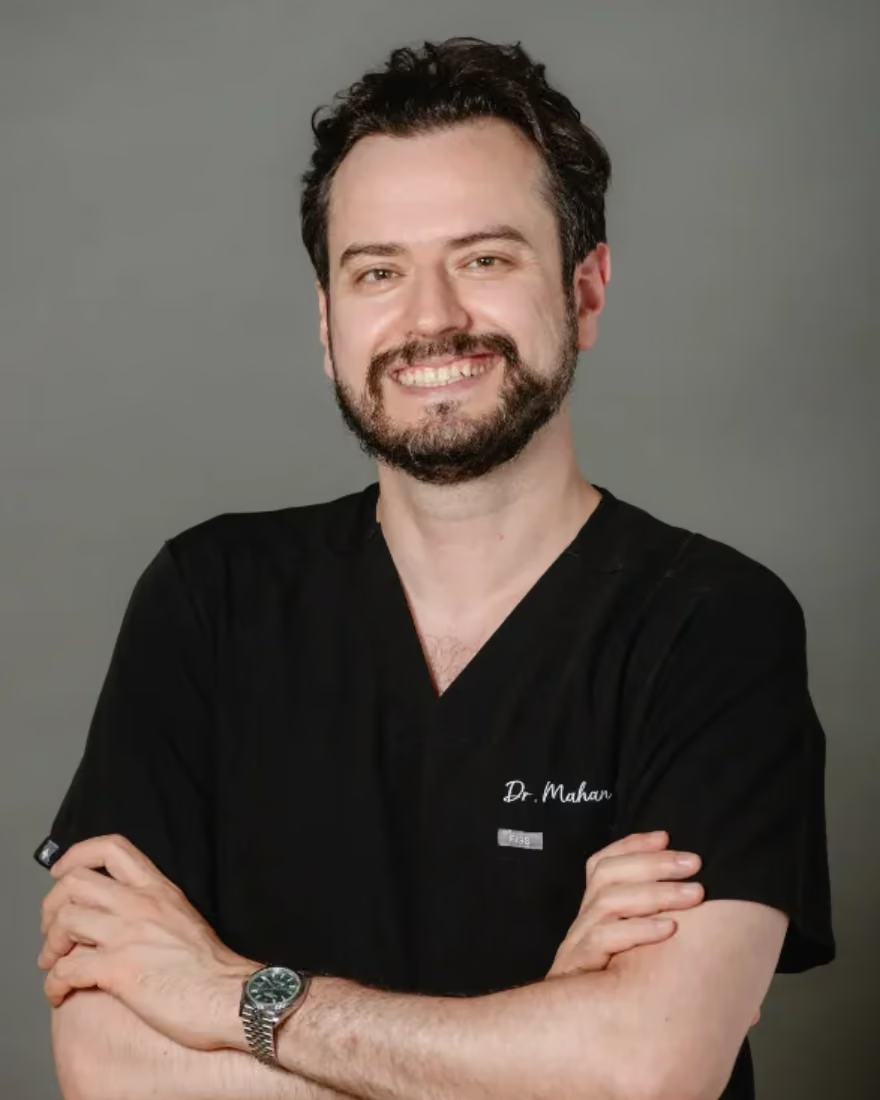
If you are considering gum surgery in Downtown Toronto, a few practical details may help you decide where to begin.
A Downtown location for ongoing care. Periodontal treatment can involve more than one visit, from the initial assessment to follow-up while the area heals. Market Dental Centre is at 149 Lower Jarvis Street near St. Lawrence Market in Old Town Toronto. The clinic offers weekday and Saturday hours, including Wednesday appointments until 7 p.m.
Periodontal care within a general dental practice. Periodontal care can be considered in the context of your overall dental health, including existing restorations and future restorative needs. If referral for another type of care is appropriate, that can be discussed as part of the treatment plan.
Help with insurance and CDCP. Direct insurance billing is available where applicable, allowing eligible claims to be submitted to the insurer on your behalf. Eligible CDCP patients are also accepted.
Frequently Asked Questions About Gum Surgery
Still unsure after reading? Bring the question to your assessment.
Will My Gums Recede Again After a Gum Graft?
Can Receding Gums Grow Back Without Surgery?
How Much Time Might I Need Off Work After Gum Surgery?
What Can I Eat After Gum Surgery?
Do I Need to See a Periodontist for Gum Surgery?
How Successful Is Gum Grafting?
Should I Stop Smoking Before Gum Surgery?
Ready to Discuss Gum Surgery in Downtown Toronto?
You do not need to know the name of a procedure, or even whether you need one, before getting in touch. An assessment looks at your gums and teeth, what may be contributing to the problem and what you want from treatment, so you can discuss whether non-surgical or surgical periodontal care may be appropriate and which options are realistic. Market Dental Centre is a general dental practice at 149 Lower Jarvis Street near St. Lawrence Market. If you are considering gum surgery in Downtown Toronto, request an appointment or call to ask about current appointment availability.
Request a Gum Surgery Consultation
We’ll follow up to confirm a time and answer your questions.
Please do not include sensitive medical information. This form is for appointment requests only.
