






Wisdom Teeth Extraction in Toronto
Pain or pressure at the back of the mouth can be hard to ignore, especially when the gum keeps swelling or a dentist has told you that a wisdom tooth is impacted. But having wisdom teeth does not automatically mean you need them removed. Some wisdom teeth erupt into a healthy position and can be cleaned normally. Others remain partly covered, sit at an angle, or are difficult to keep clean. The important question is not simply whether a wisdom tooth is there, but what is happening around it and whether it is affecting your oral health. A dental examination can help clarify that. Depending on the findings, the right next step may be monitoring the tooth or considering removal. Market Dental Centre provides wisdom teeth assessment and removal in Downtown Toronto, near St. Lawrence Market, for patients looking for clear guidance before deciding what to do next.
What Are Wisdom Teeth?
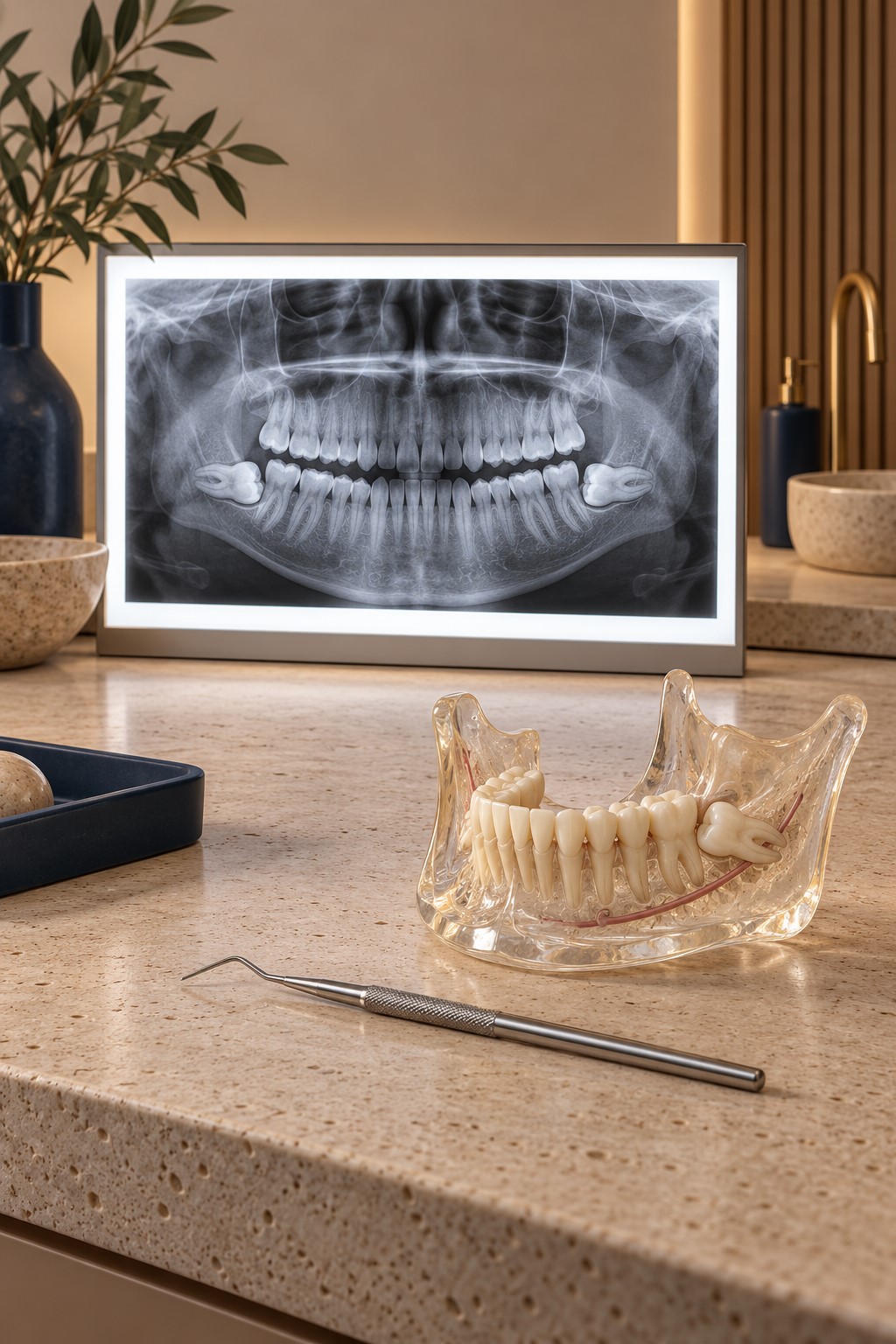
Wisdom teeth are the third molars at the very back of the mouth. They develop later than most other permanent teeth and often begin to emerge in the late teens or early twenties.
Not everyone develops the same number. Some people have all four, while others have fewer or none at all.
How a wisdom tooth erupts depends partly on the space available behind the second molar and the position of the developing tooth. With enough room, it may come through fully and function like another molar. When space is limited or the tooth is angled differently, only part of it may emerge through the gum. In other cases, it remains beneath the gum or bone. This is known as an impacted wisdom tooth.
None of these situations automatically means there is a problem or that the tooth needs to be removed. What matters is its position, health, and how easily the area can be kept clean.
Why Do Wisdom Teeth Need to Be Removed?
A wisdom tooth isn't removed simply because it's there. Extraction is considered when an examination identifies a specific concern and removal is likely to be the more appropriate option.

Impacted Wisdom Teeth - Pain and Swelling
Limited space or the position of the tooth can prevent a wisdom tooth from erupting fully. It may remain partly or completely beneath the gum or bone. Being impacted does not automatically mean it needs to be removed; the decision depends on what the examination and imaging show. Recurring pain or swelling at the back of the mouth deserves a closer look. Inflammation, infection, decay, or a problem involving a nearby tooth can produce similar symptoms, so the cause needs to be identified before treatment is recommended.
Recurrent Infection - Pericoronitis
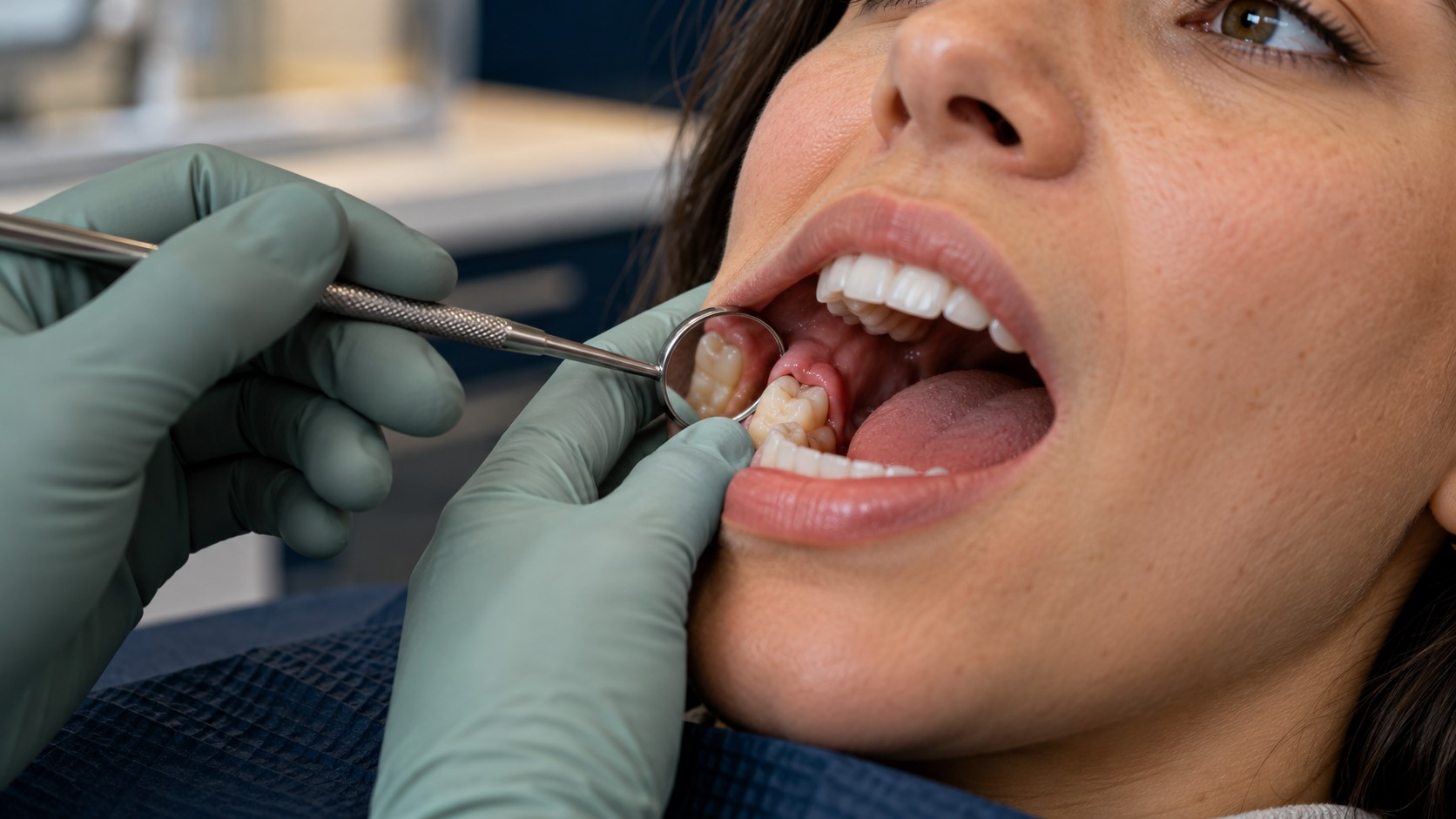
A partially erupted wisdom tooth can leave an area around the gum that is difficult to keep clean. If infection keeps returning there, extraction may become one of the treatment options discussed. Pericoronitis is inflammation of the gum tissue around a partially erupted wisdom tooth. It can make the area tender or swollen and may recur. Management depends on the findings and how often the problem returns.

Tooth Decay - Gum Disease
Because wisdom teeth sit so far back, some are difficult to brush and floss effectively. If decay develops, the dentist considers how extensive it is, whether the tooth can be restored, and how manageable it will be to keep clean long term. Plaque buildup around a difficult-to-clean wisdom tooth can contribute to inflammation and periodontal problems around that tooth and the neighbouring tissues.
Wisdom Teeth Extraction vs. Wisdom Teeth Removal
Wisdom teeth extraction and wisdom teeth removal generally mean the same thing: taking a wisdom tooth out. If you see one term on a treatment plan and the other while researching your options, they are not describing two separate treatments. What can differ is how the tooth is removed. A fully erupted wisdom tooth and one that remains impacted beneath the gum may require different approaches, depending on its position and the individual case.

What Is an Impacted Wisdom Tooth?
An impacted wisdom tooth has not been able to fully emerge into its expected position, often because there is not enough space behind the second molar or because of the angle at which the tooth is developing.
Impaction can look different from one person to another. A partially impacted tooth has started to come through the gum but remains partly covered. A fully impacted tooth stays beneath the gum and may also be surrounded by bone. Position varies too. The tooth may lean toward the neighboring molar, angle backward, lie more horizontally, or remain upright without enough room to erupt. That is why the finding of an impacted wisdom tooth does not automatically mean extraction. The dentist considers its position and condition, any symptoms or changes in the surrounding tissues, and relevant dental imaging before discussing whether monitoring or treatment is appropriate.
Is Wisdom Teeth Removal Painful?
It’s reasonable to want a realistic idea of what the procedure will feel like.
During wisdom teeth extraction, local anaesthetic is used to numb the treatment area and manage discomfort. You may still notice pressure or movement. If you experience unexpected pain during treatment, let your dentist know.
Once the anaesthetic wears off, some soreness, swelling, tenderness, or temporary jaw stiffness can occur. The experience varies with the number and position of the teeth, whether they are impacted, the complexity of the extraction, and individual healing. Recovery is discussed in more detail below.
How Long Does Wisdom Teeth Removal Take?
There is no single appointment length for wisdom teeth removal. A straightforward erupted tooth will usually take less time than several impacted teeth, while tooth position, root anatomy, and overall complexity can also affect the procedure.
Once the teeth have been examined and the treatment plan is clear, your dentist can give you a more useful estimate of timing so you can plan around work, school, or other commitments.
What Happens During Wisdom Teeth Extraction?
Each wisdom tooth extraction is planned around the tooth being treated, so the details can vary with how many teeth are involved, where they sit and how complex the removal is expected to be. Most visits still follow a similar sequence, and knowing what each stage involves can make it easier to prepare and to know which questions to ask.
Examination and Imaging
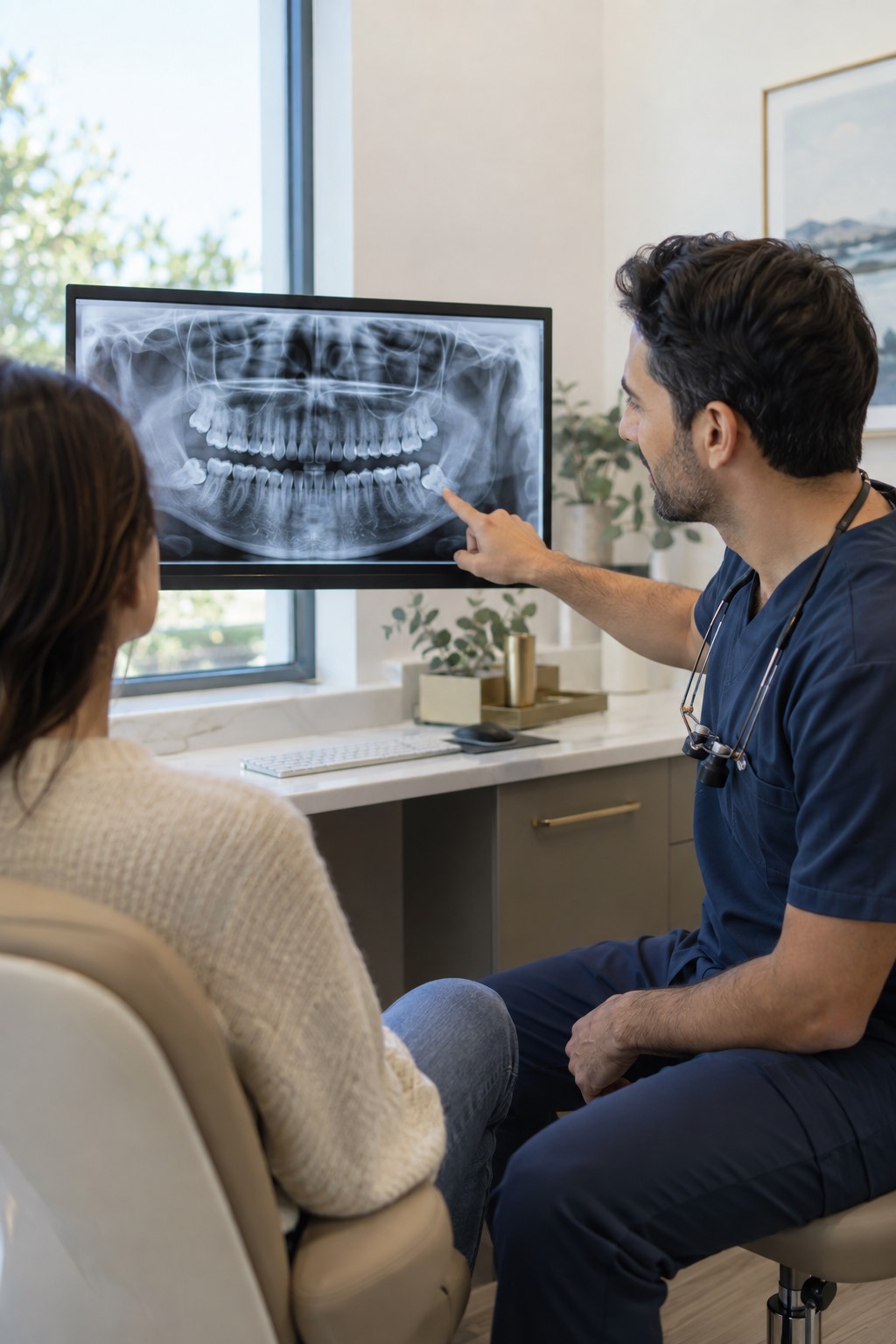
The dentist examines the area, reviews your symptoms and relevant health history, and uses imaging when appropriate to understand the tooth's position and surrounding structures.
Treatment Planning
The findings are explained along with what is recommended for the tooth and what the proposed extraction would involve. This is also an opportunity to discuss questions or concerns before treatment.
Anaesthesia or Sedation
Local anaesthetic is used to numb the treatment area and help manage discomfort during the extraction. Sedation may also be discussed when appropriate for the patient and treatment plan.
Tooth Removal
The approach depends on how the tooth has erupted and where it is positioned. An impacted wisdom tooth may require a different approach from one that has fully emerged.
Aftercare Instructions
Before you leave, you receive guidance for the early healing period, including what to expect and which changes should prompt you to contact the dental office.
How Much Does Wisdom Teeth Removal Cost in Toronto?
Wanting to understand the cost before agreeing to treatment is reasonable. There is no single fee for wisdom teeth removal in Toronto because the treatment needed can differ considerably from one tooth to another.
Factors that can affect the cost include:
- How many teeth are being removed
- Whether they are fully erupted or impacted
- Tooth position and extraction complexity
- Whether surgical access is required
- Anaesthesia or sedation considerations, where appropriate
- Imaging and individual treatment needs
For patients comparing wisdom teeth removal costs in Toronto, Ontario, an assessment provides more useful information than a generic online figure. At Market Dental Centre in Downtown Toronto, the examination helps determine what treatment is recommended and what fees apply to your specific treatment plan.
What Is Dry Socket?
After a tooth is removed, a blood clot normally forms over the extraction site and helps protect the area as healing begins. Dry socket can develop if that clot is lost or breaks down too early.
One sign is pain that becomes noticeably worse instead of gradually improving. An unpleasant taste or odour can also occur. If your pain is increasing or the extraction site does not seem to be healing as expected, contact a dental professional for an assessment rather than trying to diagnose the problem yourself.
What Can You Eat After Wisdom Teeth Removal?
Softer foods are usually easier to manage during the early stage of healing. Options may include:
- Yogurt
- Scrambled eggs
- Mashed potatoes
- Oatmeal
- Smooth soups that have cooled
- Soft pasta
As the area becomes more comfortable, you can gradually reintroduce foods with more texture. Hard, crunchy, sharp, or crumbly foods are generally best avoided around the extraction site during early healing.Follow the postoperative instructions provided by your dentist, since they should take priority over general guidance.
Wisdom Teeth Extraction Aftercare
The instructions provided after your procedure should guide your recovery. In general:
- Give yourself time to rest after the extraction
- Avoid actions that could disturb the healing site, such as vigorous rinsing or suction
- Keep your mouth clean while following your dentist’s directions around the extraction area
- Take any prescribed or recommended medication exactly as directed
- Contact the dental office if your recovery is not progressing as expected
Your individual postoperative instructions always take priority over general aftercare information.
Signs You May Need Wisdom Teeth Removal
Changes at the back of the mouth can be easy to dismiss at first, especially when they come and go. A wisdom tooth is worth having examined if you notice:
These signs can point to a problem around a wisdom tooth, but they do not tell you on their own that extraction is needed. Similar symptoms can also come from decay, gum inflammation, or another nearby dental issue. An examination, with imaging when appropriate, helps identify the cause and whether the next step is monitoring the area, treating another problem, or considering wisdom tooth removal.

Why Choose Market Dental Centre for Wisdom Teeth Extraction in Toronto?
.avif)
If you are considering wisdom teeth extraction in Toronto, the first step is understanding what is actually happening with the tooth.
Assessment before treatment.
Your wisdom teeth are evaluated before removal is recommended, with the decision based on the findings for each tooth.
Clear discussion of your options.
The goal is to help you understand what was found, what treatment may be appropriate, and what the alternatives are.
Comprehensive dental care.
If the examination identifies another dental concern, it can be considered alongside your wisdom teeth treatment plan.
Downtown Toronto location.
Market Dental Centre is at 149 Lower Jarvis Street, near St. Lawrence Market, serving people who live, work, or study in the downtown area.
Frequently Asked Questions About Wisdom Teeth Removal
How much does wisdom teeth removal cost in Toronto?
Do all wisdom teeth need to be removed?
Is wisdom teeth removal painful?
How long does wisdom teeth removal take?
How long does wisdom teeth removal recovery take?
What is an impacted wisdom tooth?
Can I eat normally after wisdom teeth removal?
Ready to Have Your Wisdom Teeth Assessed?
An assessment can clarify what is happening with your wisdom tooth, whether treatment is recommended, or whether monitoring is appropriate for now. You can also discuss what the next steps would involve before making a treatment decision.
Request a Wisdom Teeth Consultation
We’ll follow up to confirm a time and answer your questions.
Please do not include sensitive medical information. This form is for appointment requests only.
