


Professional Teeth Whitening in Toronto
Maybe it shows up more in photos. Or perhaps your teeth simply look a little duller than they used to after years of coffee, tea, red wine, tobacco use, or everyday staining. Some people start looking into whitening with an event coming up. Others just want to know what professional treatment can realistically do. Market Dental Centre offers professional teeth whitening in Toronto at our Downtown Toronto dental practice near St. Lawrence Market. If you’re considering whitening, we can first look at what may be contributing to the discoloration and discuss the options available to you.
What Is Professional Teeth Whitening?
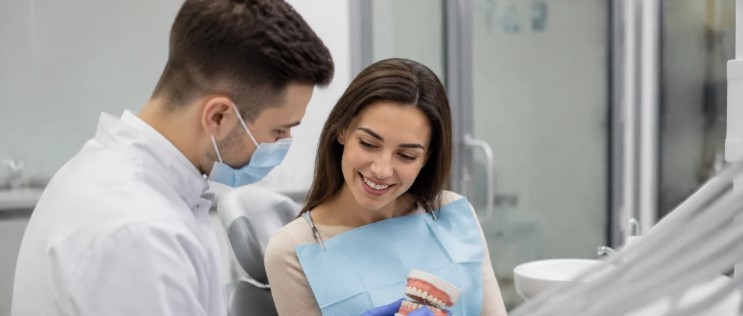
Professional teeth whitening is a cosmetic dental treatment used to lighten the appearance of natural teeth and reduce certain types of discoloration. Unlike choosing a whitening product based only on packaging or advertising, professional care involves a dental assessment so the condition of your teeth and gums can be considered before treatment.
The word “whitening” is used broadly. In everyday language, it simply means making teeth appear lighter.
Some whitening products mainly target external stains from things like coffee or tea. Peroxide-based bleaching agents work differently by breaking down certain stain compounds within natural tooth structure, which can alter its color.
Not every stain responds in the same way. Surface staining may behave differently from color changes associated with aging, certain medications, fluorosis, or previous dental trauma. Existing dental work can matter too.
A dentist can assess the likely source of the discoloration, look at your overall oral health, and discuss which whitening approaches may be reasonable to consider before treatment begins.
Professional Teeth Whitening Options in Toronto
Whitening is available through several different approaches, and no single option is right for everyone. What may be appropriate depends on the type of discoloration, the health of your teeth and gums, any existing dental work, sensitivity, convenience, and how quickly you hope to complete the process. Some people also prefer treatment at home rather than spending more time in a dental chair.
In-Office Teeth Whitening
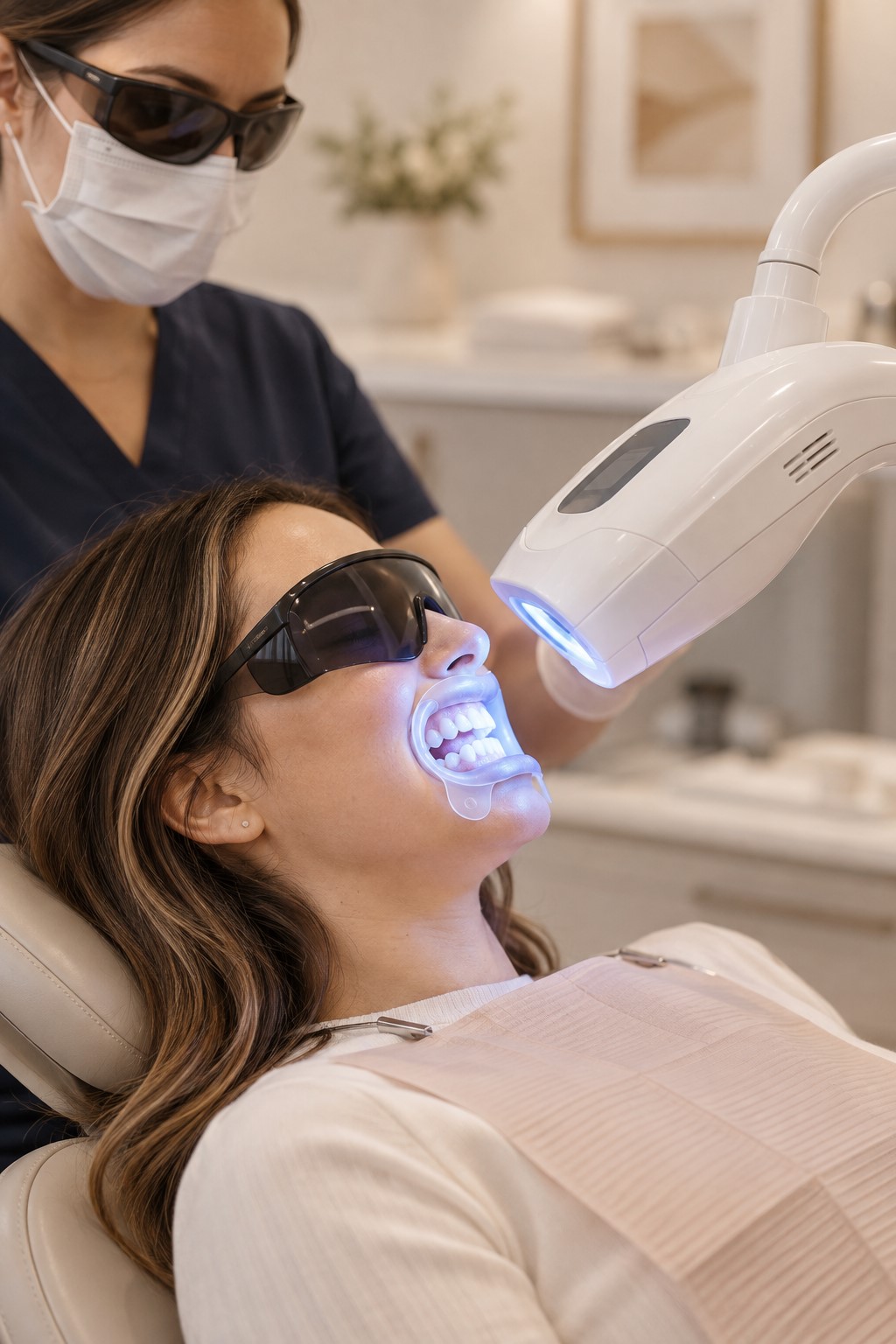
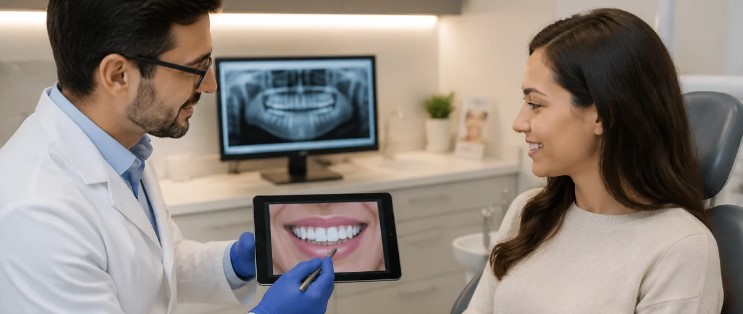
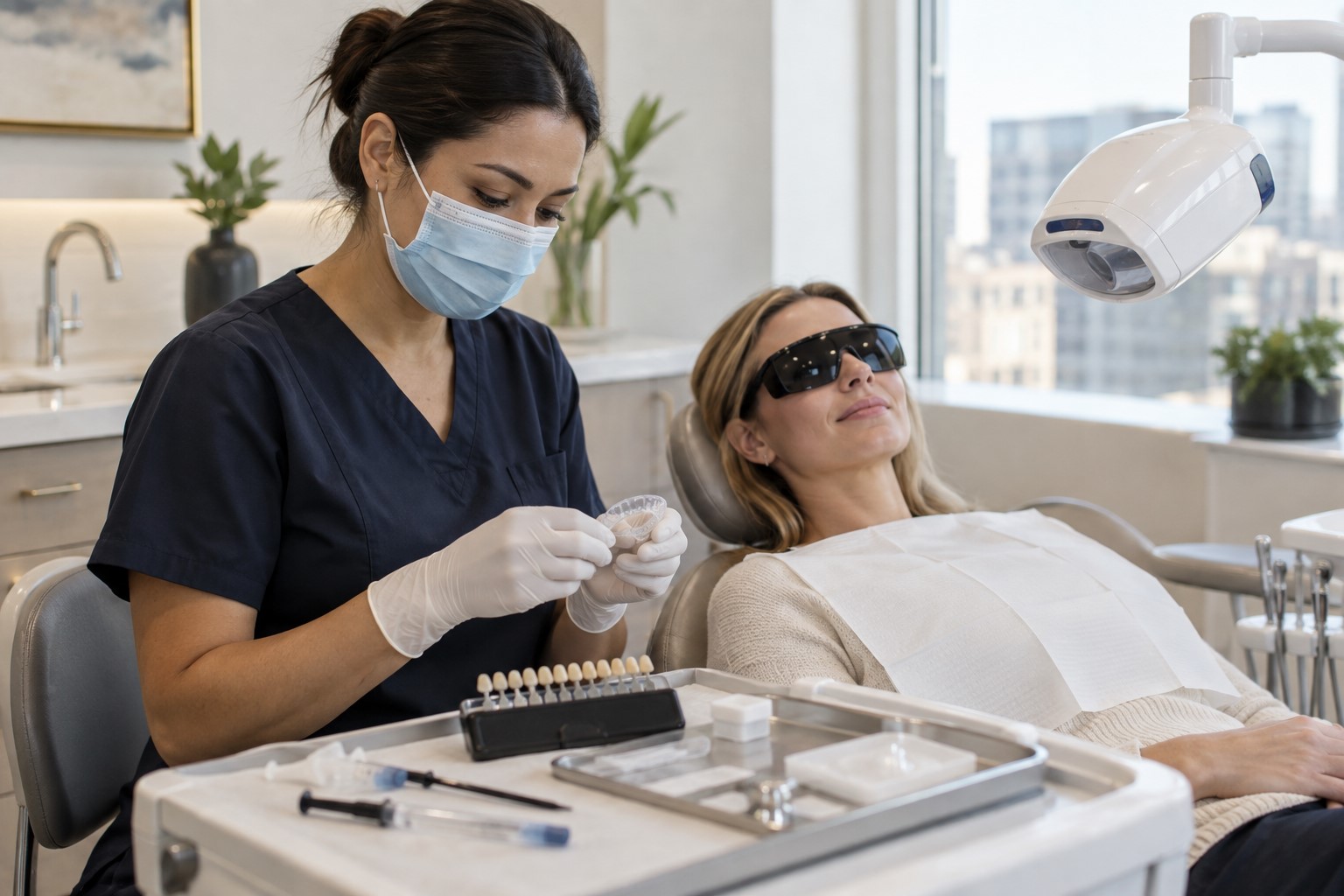
In-office whitening is performed at a dental practice under professional supervision. Before treatment, a dentist can assess your teeth and gums and consider whether the type of discoloration is likely to respond to whitening. The product is applied and monitored in a clinical setting, giving the dentist greater oversight throughout the process.
In-office treatment may also be completed over a shorter timeframe than some home-based approaches. That does not mean everyone will get the same result, however. The degree of change still depends on factors such as the starting shade and the type of staining involved.
Take-Home Professional Whitening Kits
Dentist-provided take-home whitening offers more flexibility for people who would rather whiten on their own schedule. A dentist assesses your teeth first, then provides the whitening materials and instructions for use at home.
The process usually involves repeated applications over a period of time rather than a single office visit. Following the instructions matters, particularly if your teeth are sensitive. Unlike choosing an over-the-counter product independently, this approach includes professional guidance before and during the whitening process.
Over-the-Counter Whitening Products
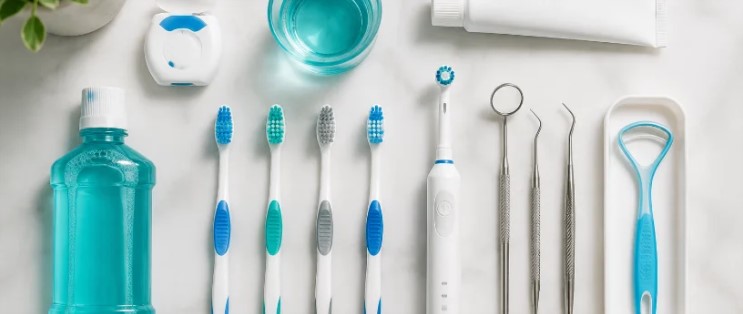
Whitening toothpastes, strips, and other consumer products are widely available, and some may help reduce mild surface staining or create a modest whitening effect, depending on the product and the individual.
What they do not include is a dental assessment tailored to your situation. The cause of the discoloration, existing restorations, and tooth sensitivity can all affect what is realistic. Crowns, veneers, and tooth-colored fillings generally do not whiten in the same way as natural teeth, so those details may matter before you choose a product.
Professional Teeth Whitening vs. At-Home Whitening
Patients in Toronto comparing teeth whitening options often want to understand two things: how much professional guidance is involved and how much of the process they can manage at home. The biggest practical difference is the assessment. Professionally guided whitening starts with a dentist evaluating your teeth and gums. Over-the-counter products do not include that individualized step.
How Much Does Teeth Whitening Cost in Toronto?
$200 – $250
CAD · approximate
Price matters, especially for an elective cosmetic treatment you’re choosing rather than one you need. At Market Dental Centre, the approximate cost of teeth whitening is CAD $200 to $250.
That range is a general guide, not a guaranteed final fee. The clinic has not yet confirmed exactly what is included in the quoted amount, so it’s worth checking the final price and what the fee covers before treatment.
Teeth whitening costs in Toronto can vary between practices, and comparing fees is reasonable. Just make sure you’re comparing the same type of service rather than looking at the number alone. For the most accurate price for your situation, contact Market Dental Centre before booking treatment.
How Long Does Teeth Whitening Take?
One visit, or days at home
Depends on the approach
Timing depends on the whitening approach and how your teeth respond. In-office whitening generally involves a shorter treatment process, while dentist-provided take-home whitening is usually completed through repeated applications over several days or longer, following professional instructions.
Your starting tooth color and the type of discoloration can also affect how quickly a change becomes noticeable. Not everyone responds at the same pace. For patients in Toronto planning around a wedding, interview, photographs, or another event, it can be useful to start the conversation ahead of time. An assessment gives you time to discuss the available options and understand what may be realistic without trying to rush treatment close to the date.
How Long Does Teeth Whitening Last?
It fades gradually
Not a permanent change
Whitening is a cosmetic result that gradually fades rather than a permanent change to your teeth. How quickly that happens differs from one person to another.
What your teeth are exposed to afterward can make a noticeable difference. Coffee, tea, red wine, tobacco, and dark-colored foods can contribute to new staining over time, while consistent brushing and flossing can help limit surface buildup. Natural aging may also gradually affect tooth color. Some patients choose to repeat or refresh whitening later, while others do not. There is no fixed schedule that applies to everyone. If your teeth begin to look darker again, a dentist can reassess the color, your oral health, and any existing dental work before you decide whether further whitening makes sense.
How Does Professional Teeth Whitening Work?
The details vary from one patient to another, but professional whitening generally involves assessment, planning, treatment, and aftercare.
1. Dental Assessment
Whitening starts with a look at your teeth and gums. A dentist can consider your oral health, the likely cause of the discoloration, existing restorations that may not change color with whitening, and any areas where you already notice sensitivity.
Sometimes another dental concern is identified during this assessment and may need attention before whitening begins. What the assessment involves depends on your dental history and what the dentist finds.
2. Treatment Planning
Once there’s a clearer picture, the whitening approach can be considered in the context of your individual situation. The type of staining, existing dental work, tooth sensitivity, and your preferences can all influence the discussion.
This is also the point to set realistic expectations about what whitening may and may not change.
3. Whitening Treatment
Depending on the professional approach selected, whitening may take place in the dental office or at home using materials and instructions provided by a dentist.
Response varies. Some types of discoloration may lighten more readily than others, and two people with similar-looking staining may not experience the same degree of change.
4. Aftercare
Following the instructions provided by your dentist matters, as does maintaining regular brushing and flossing. Habits that contributed to staining can gradually affect tooth color again.
Temporary sensitivity may occur after whitening. If it persists or concerns you, let your dentist know.
Safety, Sensitivity and Suitability
Is Teeth Whitening Safe?
Concerns about whitening damaging teeth are understandable. Professional whitening is generally considered appropriate for selected patients when the teeth and gums have been assessed first and the treatment is used as directed.
That assessment matters. Untreated decay, gum problems, cracked or damaged teeth, or significant sensitivity may affect whether whitening is appropriate at that time or whether another issue should be addressed first. Having one of these concerns does not necessarily rule out whitening later. Existing dental work and the cause of the discoloration also need to be considered. Temporary tooth sensitivity or gum irritation can occur with whitening, which is why professional guidance and realistic expectations are useful before treatment begins.
Does Teeth Whitening Cause Sensitivity?
Some people notice more tooth sensitivity during or after whitening. Cold drinks or even cool air may trigger a brief, sharp twinge, and temporary gum irritation can occur as well. Not everyone experiences this, and the degree of sensitivity varies.
For someone whose teeth already react to hot or cold, it’s reasonable to bring that up before treatment. A dentist can consider your existing sensitivity, check for dental concerns that may be contributing to it, and factor those findings into the discussion about whitening. Our page on tooth sensitivity explains more about why teeth can become sensitive and when it may be worth having the cause assessed. If sensitivity after whitening feels severe, unusual, or persists longer than expected, contact your dentist for advice.
Who Is a Good Candidate for Teeth Whitening?
People who consider whitening often want to address teeth that look yellower, duller, or stained from everyday habits. Generally healthy teeth and gums can make professional whitening worth discussing, but suitability still depends on an individual dental assessment.
Expectations matter too. Whitening affects natural tooth structure, while crowns, veneers, and tooth-colored fillings generally do not change color in the same way. Some types of discoloration may also respond less readily than others. A dentist can consider your oral health, the likely cause of the discoloration, any existing restorations, and tooth sensitivity before discussing whether whitening is appropriate for you. That gives you a more realistic basis for deciding than appearance alone.
Who May Need Dental Treatment Before Whitening?
Occasionally, a dental assessment identifies something that is better addressed before whitening begins. Untreated decay, active gum problems, a cracked or damaged tooth, or unexplained sensitivity are examples. What needs attention first depends on what the dentist finds and on your individual situation.
That does not necessarily mean whitening is off the table. In many cases, it is simply a matter of treating the oral health concern first and then reconsidering whitening afterward. If you booked mainly because of a cosmetic concern, that extra step can feel frustrating. The priority is making sure whitening is considered at the right time for your teeth and gums.
How to Maintain Your Teeth Whitening Results
A few practical habits can help limit new staining without requiring you to avoid every food or drink you enjoy.
Some staining will gradually return, and natural aging can continue to affect tooth color. If you become interested in whitening again later, a dentist can reassess your teeth, existing dental work, and oral health before discussing whether another treatment is appropriate.
Why Choose Market Dental Centre for Teeth Whitening in Toronto?

Market Dental Centre is located at 149 Lower Jarvis Street in Downtown Toronto, near St. Lawrence Market. For patients who live or work in the downtown core, that puts professional teeth whitening in Toronto within a central dental practice rather than a standalone cosmetic setting.
Whitening is provided within a general dental practice, which means oral health, existing fillings or crowns, tooth sensitivity, and the likely cause of discoloration can be considered before treatment is planned. Dr. Mahan Alavi practices general dentistry at Market Dental Centre, and the clinic also provides cosmetic and restorative dental services.
The practice website states that Market Dental Centre has served the community since 1981.
The approximate teeth whitening cost provided for Market Dental Centre is CAD $200 to $250. Because the exact scope of that fee has not been confirmed, check the final amount and what it includes directly with the clinic before treatment.
Frequently Asked Questions About Teeth Whitening in Toronto
Still unsure after reading? Bring the question to your assessment.
How Much Does Teeth Whitening Cost in Toronto?
Is Professional Teeth Whitening Better Than Whitening Strips?
How Long Does Professional Teeth Whitening Last?
Can I Whiten Sensitive Teeth?
Can Teeth Whitening Remove All Stains?
Can Crowns and Veneers Be Whitened?
Is Teeth Whitening Permanent?
Book a Teeth Whitening Consultation in Toronto
Still deciding whether professional whitening is right for you? A dental assessment can help clarify what may be causing the discoloration, how existing dental work or tooth sensitivity could affect treatment planning, which whitening options may be appropriate to discuss, and what your exact fee would be. Market Dental Centre provides teeth whitening in Downtown Toronto at 149 Lower Jarvis Street, near St. Lawrence Market in Toronto, Ontario. You can call the clinic or request an appointment online to discuss your options.
Request a Teeth Whitening Consultation
We’ll follow up to confirm a time and answer your questions.
Please do not include sensitive medical information. This form is for appointment requests only.
