








The digital smile design process is a planning method that helps you see and discuss proposed cosmetic changes before treatment begins. If you are considering veneers, bonding, or aligners, the real concern is often not simply whether your teeth will look better. It is whether the result will still look like you. A useful preview can help you discuss tooth length, shape, spacing, symmetry, and how the smile fits your face. But a preview is still a planning tool, not a guarantee. The clearest way to understand the process is to separate what can be shown on a screen, what can sometimes be tested in the mouth, and what only becomes clear during treatment.
The Digital Smile Design Process Is a Planning Method, Not a Treatment
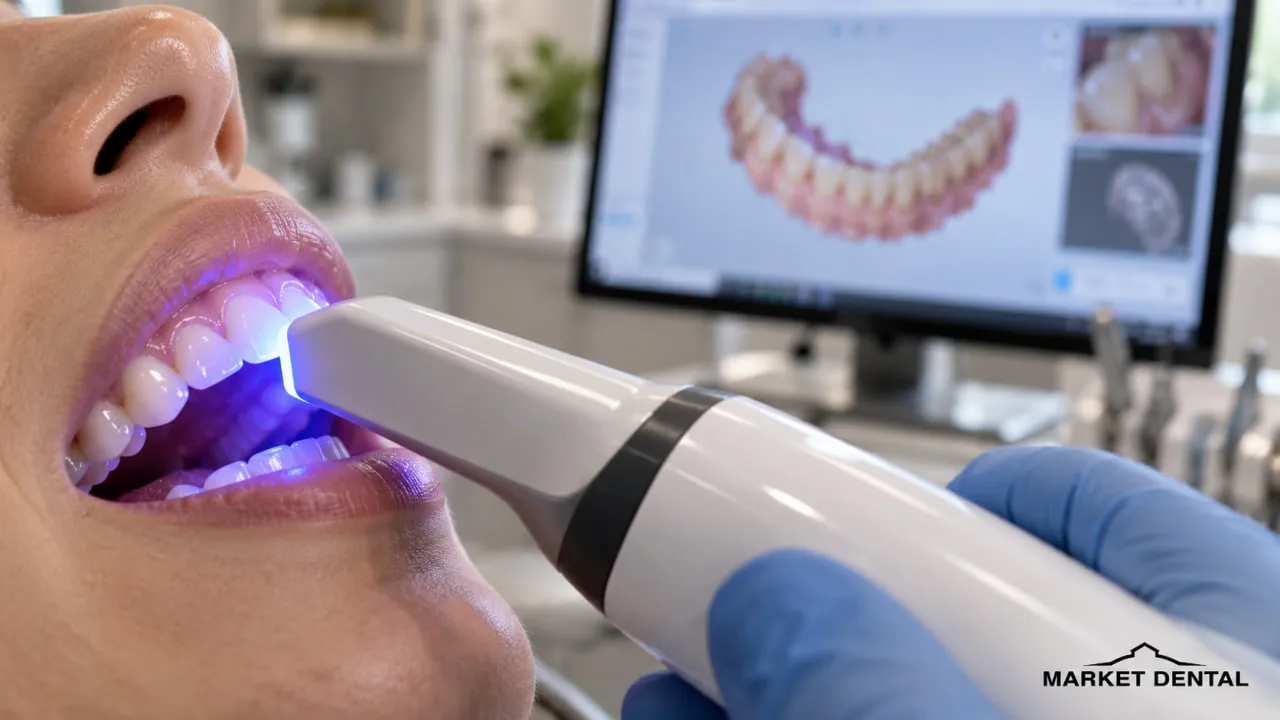
Digital Smile Design, often shortened to DSD, is a way of planning cosmetic or restorative changes using visual records of the teeth and face. Depending on the case and the clinician's workflow, those records may include photographs, video, digital scans, impressions, bite records, or design software.
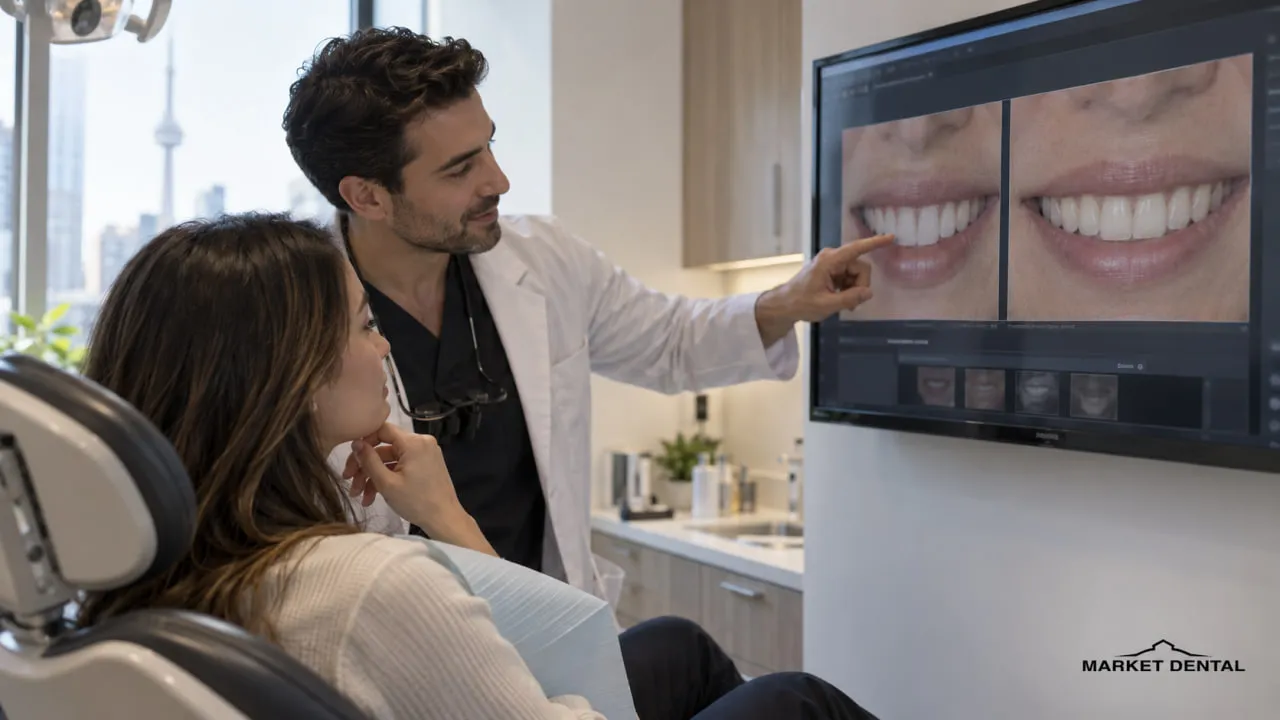
The digital smile design process can help a dentist and patient discuss proportions, tooth display, contour, spacing, and symmetry before choosing a treatment.
It does not diagnose decay, gum disease, cracks, or bite problems by itself. It also does not place veneers, move teeth, or guarantee that the finished result will exactly match the preview.
Oral Health Comes Before Cosmetic Planning
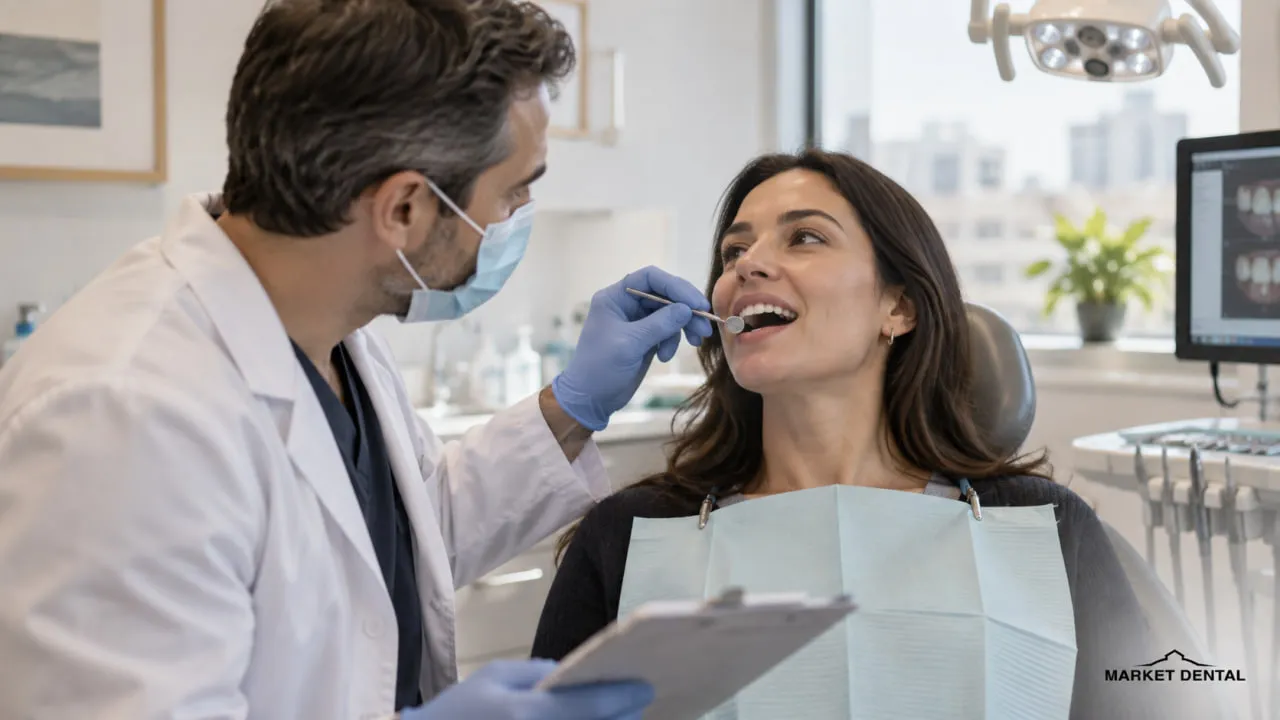
A cosmetic preview only becomes useful after the teeth, gums, and bite have been assessed.
Decay, gum inflammation, worn enamel, cracks, existing restorations, tooth position, and grinding or clenching can all change what is realistic.
For example, front teeth may look too short because they have worn down over time. Simply adding length without considering the bite may not address the reason they became short.
The dentist therefore needs to establish what is healthy, what needs treatment, and what can reasonably be changed before an aesthetic design becomes a treatment plan.
Three Different Types of Smile Preview
A “smile preview” can describe three very different things. Keeping them separate prevents unrealistic expectations.
1. Digital Simulation: A Screen-Based Proposal
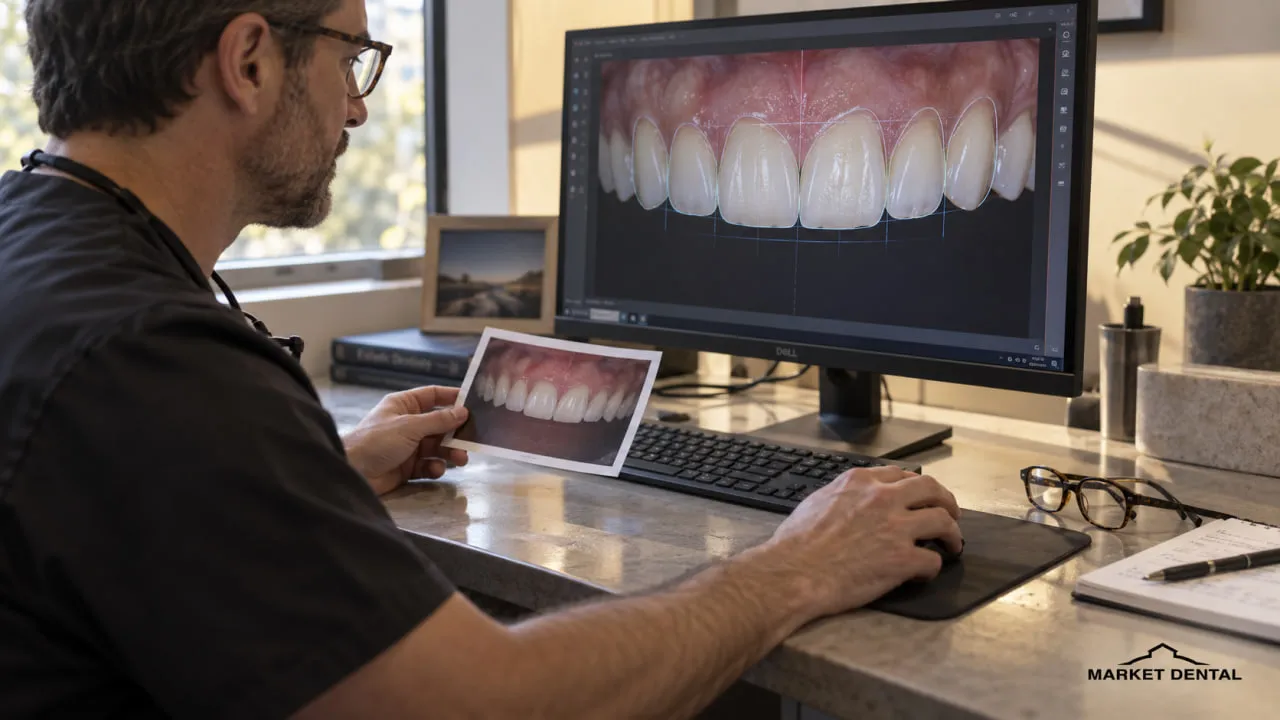
A digital simulation shows a proposed change on a photograph or digital model.
It can help you evaluate tooth length, shape, spacing, visible tooth display, and broad symmetry. Because it is digital, the proposed design can often be adjusted before any permanent treatment starts.
It cannot show exactly how the final material will feel in your mouth or guarantee an identical final appearance.
2. Physical Mock-Up: A Temporary In-Mouth Preview
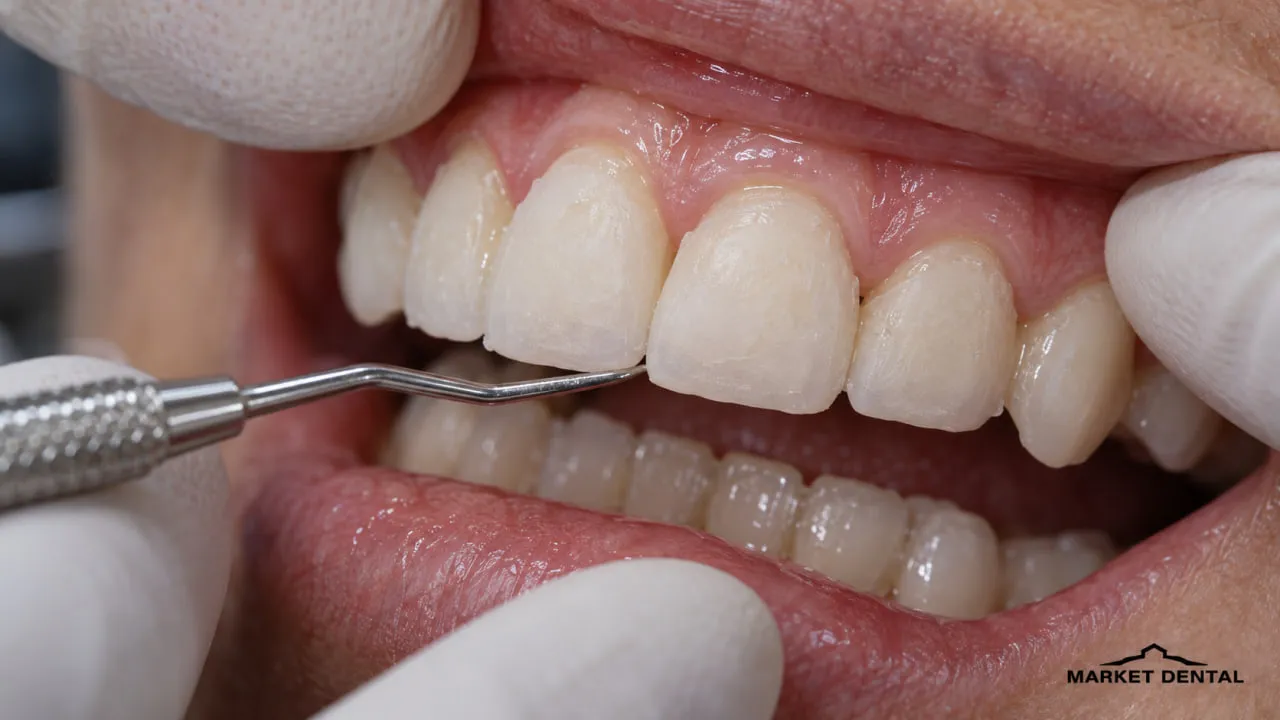
A physical mock-up represents a proposed design temporarily in the mouth where the case and clinical workflow allow it.
It may help you judge tooth length, fullness, speech, and how the proposed contours interact with your lips.
Not every patient needs or receives a physical mock-up. Some cases can be previewed before tooth preparation, while others cannot be reproduced accurately over the existing tooth shape without modification.
3. Definitive Treatment: The Actual Clinical Result
The final stage is the treatment itself.
Depending on the clinical problem, that may involve bonding, veneers, crowns, clear aligners, or several treatments completed in sequence.
The definitive result is affected by factors that a preview cannot fully reproduce, including restorative material, gum response, tooth position, bite forces, preparation, and clinical execution.
The Digital Smile Design Process Works Best as a Series of Decisions
A useful plan is less about software and more about answering the right questions in the right order.
Decision 1: What Do You Actually Want to Change?
Start with the specific concern.
It could be:
- a chipped edge
- worn front teeth
- uneven lengths
- spacing
- crowding
- tooth shape
- discoloration
- one tooth that looks out of place
Then describe what you do not want.
“Not too white,” “not too square,” “not longer than this,” or “I don't want every tooth to look identical” can be just as useful as describing the result you want.
Decision 2: Is the Mouth Healthy Enough for Elective Treatment?
The dentist needs to determine whether the teeth and gums can support the proposed cosmetic changes.
Active decay, gum disease, cracks, significant wear, or bite concerns may need to be addressed first.
A visually appealing simulation does not override those clinical findings.
Decision 3: What Records Does the Case Actually Need?
The records should match the complexity of the case.
A small chip may require photographs, a shade assessment, and an examination. A larger multi-tooth change may need scans or impressions, bite records, additional photographs, or video.
The digital smile design process does not require every patient to go through the same technology checklist.
Decision 4: Does the Proposed Design Look Right?
The digital preview gives you something specific to react to.
Instead of saying “I like it” or “I don't,” you can discuss individual details such as edge length, tooth width, shape, symmetry, or how much tooth shows when you smile.
That makes patient feedback more useful before irreversible treatment decisions are made.
Decision 5: Would a Physical Preview Add More Information?
A physical mock-up can sometimes answer questions that a screen cannot.
For example, it may help show whether extra tooth length feels excessive during speech or whether added volume looks natural once you see it from several angles.
For a small localized change, the extra step may provide little additional value. The reason for using the mock-up should be clear.
Digital Simulation vs Physical Mock-Up: They Are Not the Same Preview
In the digital smile design process, a digital simulation is visual while a physical mock-up is experiential.
The simulation helps compare proposed proportions and shapes on a screen.
A physical mock-up may let you experience those proportions in the mouth and notice how they affect speech, lip movement, visible length, and overall fullness.
Neither is the finished treatment.
A mock-up uses temporary material, so its color, translucency, surface texture, and thickness may differ from the final restoration. Gum response and long-term function also cannot be completely predicted from a prototype.
That is why “test-driving” a smile should mean testing a proposal, not guaranteeing the finished result.
What a Digital Smile Preview Can Show — and What It Cannot Promise
A 2025 systematic review of Digital Smile Design and patient-centered outcomes found benefits in areas such as patient communication, treatment acceptance, satisfaction, and perceived predictability. The authors also noted limitations in the available research, including differences between studies and small sample sizes in some of them.
The evidence does not support describing the digital smile design process as 100% predictable. Its clearer value is helping patients and clinicians discuss a proposed result before treatment decisions are finalized.
Your Preferences Matter, but Clinical Limits Still Apply
You can give meaningful feedback about shape, length, shade, edge softness, and the degree of symmetry you prefer.
Some people like a very even result. Others prefer slight differences between teeth because perfect symmetry can look less natural to them.
The dentist still needs to determine what is clinically appropriate.
Bite forces, gum health, remaining enamel, tooth position, existing restorations, and structural strength can limit how closely a design can follow an aesthetic preference.
Digital planning also does not automatically mean no-prep treatment. Tooth preparation depends on the starting position and color of the tooth, the amount of change requested, the restoration type, the material, and the bite.
Digital Planning and Conventional Planning Can Both Be Thorough
Conventional cosmetic dentistry is not “guesswork.”
It can use photography, impressions, study models, diagnostic wax-ups, and provisional restorations to plan treatment carefully.
Digital methods mainly change how information can be captured, viewed, shared, and revised. They may make some discussions more interactive, but both approaches still depend on diagnosis and clinical judgment.
Which Treatments Can Digital Smile Planning Help Organize?
The digital smile design process can support several treatment routes, but it does not decide which treatment a patient needs.
Minor Shape Changes or Small Chips
Dental bonding may be considered when the change is localized, such as a small chip, uneven edge, or minor gap.
Market Dental Centre's dental bonding vs veneers guide explains how those options differ in material, treatment commitment, and maintenance.
Broader Changes in Shape or Color
Veneers may be considered when the proposed change involves the visible surface, shape, or color of several teeth.
Market Dental Centre's cosmetic dentistry page explains how veneers fit within the clinic's current cosmetic services.
Tooth Position or Crowding
When alignment is the main issue, moving teeth may be more appropriate than adding restorative material.
Market Dental Centre provides Invisalign clear aligners for suitable patients following assessment.
Structurally Damaged Teeth
A tooth that is cracked, heavily restored, or structurally weakened may need restorative rather than purely cosmetic treatment.
If partial or full coverage becomes part of the treatment discussion, the crown vs onlay vs inlay guide explains why the amount of remaining tooth structure matters.
What Affects Digital Smile Planning and Treatment Cost in Ontario?
There is no single digital smile design cost in Ontario.
The total can involve three separate layers:
- Consultation and records: examination, photographs, scans or impressions, and imaging when clinically indicated.
- Design or preview: digital design or physical mock-up where that service is used.
- Definitive treatment: bonding, veneers, crowns, aligners, or another treatment plan.
The number of teeth involved, treatment complexity, laboratory work, materials, orthodontic movement, and whether a physical mock-up is included can all change the cost.
Does Dental Insurance Cover It?
Coverage depends on the individual dental plan and why the procedure is being performed.
Treatment performed only for appearance may be excluded under many plans. A procedure used for a structural or functional reason may be treated differently.
Deductibles, co-insurance, annual maximums, exclusions, procedure codes, and the insurer's recognized fee can all affect reimbursement.
A predetermination may estimate expected benefits for planned treatment. It does not guarantee final payment.
Discussing Cosmetic Smile Planning in Downtown Toronto
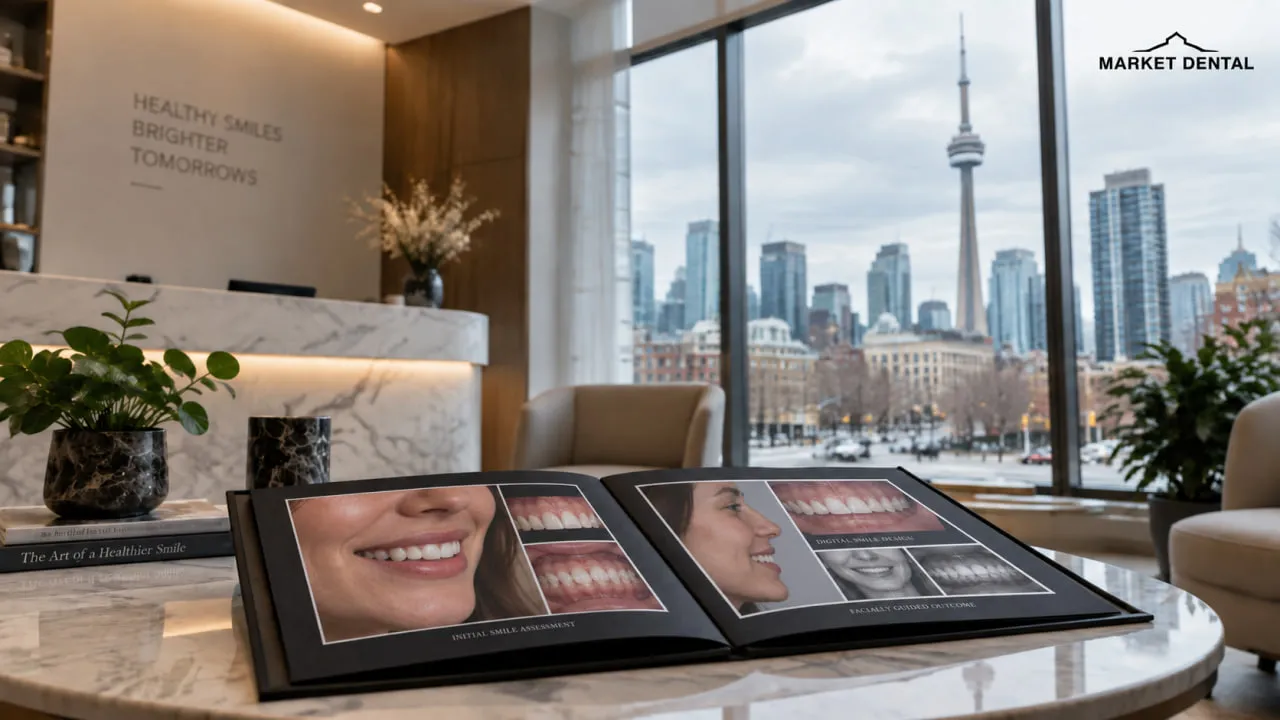
Market Dental Centre is located at 149 Lower Jarvis Street in Downtown Toronto, Ontario, near St. Lawrence Market.
The clinic currently provides cosmetic consultations and offers options including bonding, veneers, whitening, crowns, and clear aligners.
A consultation does not require you to arrive having already chosen a treatment. Start by explaining what you want to change and what you want to preserve.
If seeing the proposed change before treatment is important to you, ask what digital or physical preview methods are available for your individual case.
Key Takeaways
- Digital Smile Design is a planning and communication method, not a dental treatment.
- A digital simulation and a physical mock-up are two different types of preview.
- Not every case needs or includes a physical mock-up.
- A preview can improve communication but cannot guarantee an identical final result.
- Teeth, gums, bite, and existing dental work still determine which options are appropriate.
- Patient preferences matter, but clinical limits remain.
- Digital planning does not automatically mean no-prep treatment.
- Cost depends on the planning method and the treatment ultimately selected.
Before You Commit to a Cosmetic Change, Understand the Plan
You do not need to choose veneers, bonding, or aligners before your consultation.
Bring a clear idea of what you want to change, what you want to preserve, and what you do not want the finished result to look like.
A dentist can then assess your teeth, gums, and bite and explain which options are realistic.
If seeing a preview matters to you, ask what digital or physical preview methods are available for your case.
Market Dental Centre is located at 149 Lower Jarvis Street in Downtown Toronto, Ontario, near St. Lawrence Market.
Request an appointment or call (416) 363-4115.

.webp)


