


Dental bonding cost Toronto searches can return very different tooth bonding prices, even when the treatments described sound almost the same. The difference often comes down to the work involved, not just the material being used. Repairing one small chip is different from reshaping the edges of several front teeth. Rebuilding part of a tooth affected by decay is another situation entirely, as is closing a gap between healthy teeth for cosmetic reasons. Each requires its own treatment plan, and insurance may treat them differently. Before comparing prices, it helps to understand what your dentist is recommending, what the estimate includes, and which costs may be separate.
Dental Bonding Cost Toronto: The Short Answer
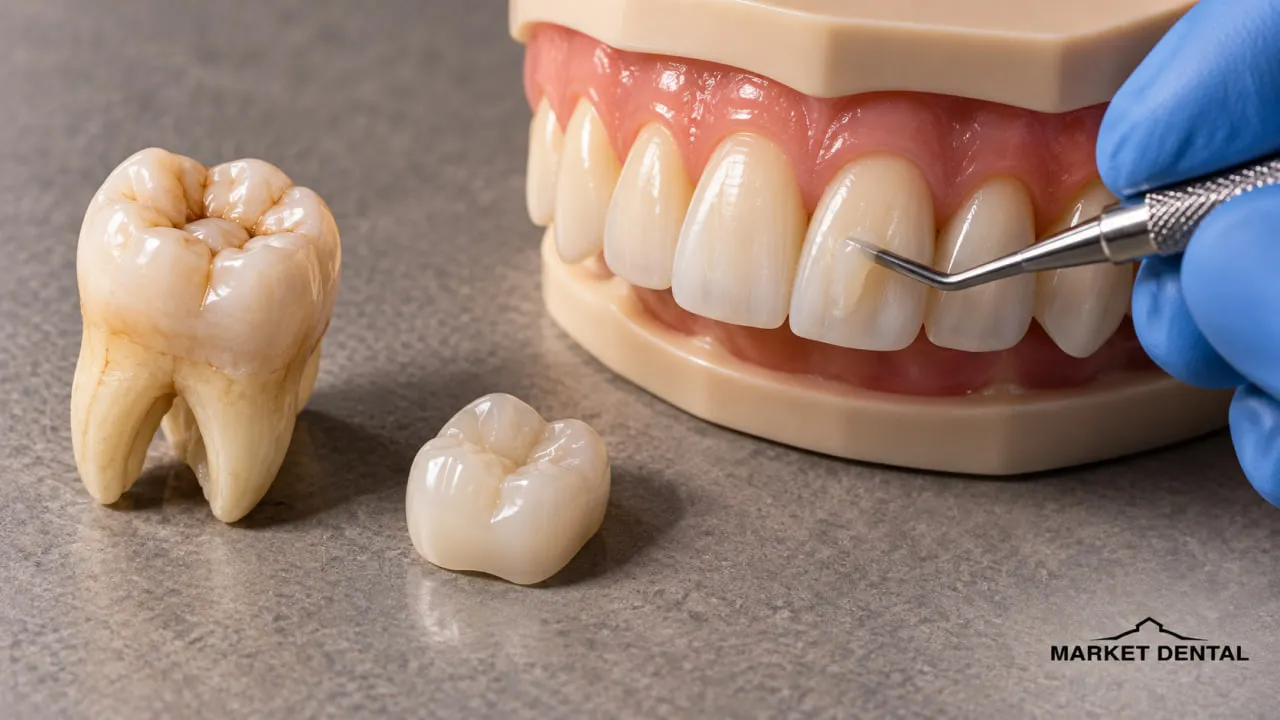
There is no single dental bonding fee that applies to every patient. At Market Dental Centre, an individualized estimate follows a clinical assessment so the recommended treatment and its scope can be explained.
The amount may depend on:
- How many teeth need treatment
- The size and complexity of the repair
- Which teeth are involved
- Whether the purpose is restorative, cosmetic, or both
- How much shade and shape matching is needed
- Whether decay or existing damage needs attention
- Whether additional dental care is recommended first
- How the clinic structures its fees
A quote for one small repair may look quite different from a treatment plan involving several teeth. The written estimate should explain what is being proposed rather than leaving you to compare prices without context.
If you are still exploring appearance-focused treatments, the clinic's cosmetic dentistry services provide a broader overview of the available options.
Why Dental Bonding Prices Differ Across Toronto
Dental offices in Ontario set their own fees. The Ontario Dental Association (ODA) publishes a Suggested Fee Guide that dentists and benefit providers may use as a reference, but dentists are not required to follow it.
Treatment complexity, appointment time, materials, staffing, and other practice costs can affect fees. That is why two Toronto dental offices may provide different estimates for what initially sounds like the same procedure.
The word bonding also describes more than one type of treatment.
When tooth-colored composite is used to restore a tooth affected by decay or damage, the procedure may be coded according to the tooth and the surfaces being restored. Elective cosmetic bonding, such as reshaping healthy teeth, may be quoted differently depending on the practice and treatment plan.
A dental bonding cost Toronto figure found online may therefore refer to a different procedure, a different number of teeth, or services that are not included in another office's quote.
If your main concern is repairing decay rather than making a cosmetic change, our guide to dental filling cost in Toronto explains the related restorative cost considerations.
What Affects the Cost of Dental Bonding?
Several clinical details can influence the estimate. No single factor determines a dental bonding cost Toronto quote on its own, and the same material can be used in treatments with very different requirements.
Number of Teeth
Treating several teeth may involve more clinical time and composite resin than repairing one tooth.
However, the total fee does not necessarily increase by the same amount for every additional tooth. Some cosmetic treatments involving multiple teeth are planned as one broader case.
Ask how the estimate is structured rather than assuming a fixed price per tooth.
Size and Complexity of the Repair
Consider two hypothetical situations.
One patient has a small chip on the corner of a front tooth. Another wants to reshape several uneven front teeth.
Both treatments might be described as dental bonding, but the amount of tooth structure involved, the desired changes, and the time required may be different.
A larger restoration can also involve more detailed planning than a small surface repair.
Tooth Location and Aesthetic Matching
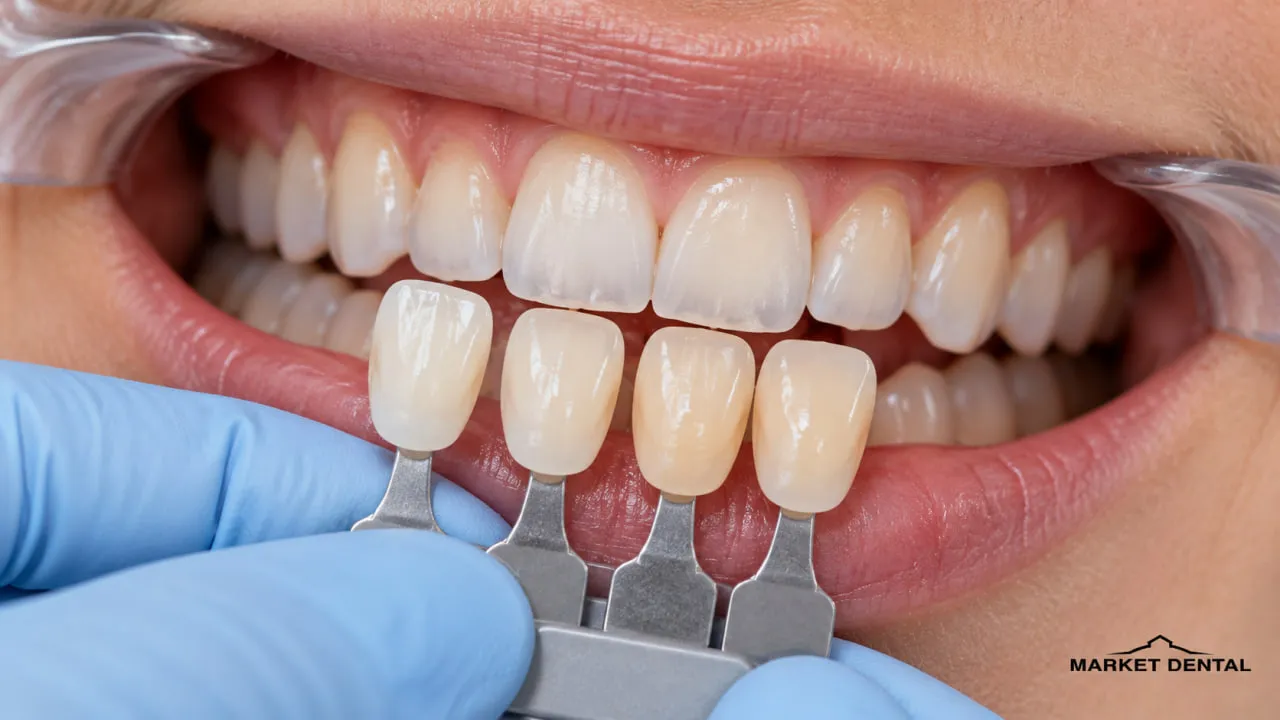
The position of a tooth can influence the work required, but front teeth do not automatically cost more.
For a highly visible tooth, the dentist may need to pay particular attention to color, translucency, contour, and how the restored area meets the surrounding enamel.
The extent of that work depends on the tooth and the desired result.
Restorative vs. Cosmetic Purpose
The same tooth-colored composite material can serve different clinical purposes.
Restorative bonding may be used to repair tooth structure affected by decay, fracture, or other damage.
Cosmetic bonding may change the shape, contour, or appearance of otherwise healthy teeth, including selected spaces between teeth.
This distinction matters because treatment purpose may affect procedure coding, private insurance eligibility, and CDCP coverage.
For example, restoring tooth structure lost to decay is not the same insurance situation as closing a small gap purely for appearance. A chipped tooth does not automatically qualify for benefits either.
Is Dental Bonding Covered by Private Insurance in Ontario?

It depends on your plan and why the treatment is being performed.
Some private dental plans may reimburse eligible restorative procedures, while bonding performed only for cosmetic reasons may be excluded or subject to different limitations.
Factors that can affect reimbursement include:
- The clinical purpose of treatment
- The procedure code submitted
- Your annual benefit maximum
- The benefits remaining for the current period
- Your deductible
- Co-insurance requirements
- Frequency limitations
- Policy exclusions
- Alternate-benefit provisions, where applicable
An alternate-benefit provision may mean the insurer calculates reimbursement using another eligible treatment rather than the full fee for the procedure selected.
This is why an insurance percentage alone does not tell you what your final out-of-pocket amount will be.
Market Dental Centre supports dental insurance claims and direct billing. However, direct billing does not establish that a particular bonding procedure is covered or that the insurer will reimburse the full amount.
You can review the clinic's dental insurance information before discussing your benefits.
Can You Check Insurance Before Bonding?
A pre-treatment estimate, sometimes called a predetermination, may be submitted to your insurer when appropriate.
This can help clarify how the insurer expects to apply your benefits to the proposed treatment.
It is not a guarantee of payment. Final reimbursement depends on your plan, eligibility, remaining benefits, and the claim assessed after treatment.
Ask whether a predetermination would be useful for your situation and what information your insurer needs.
What About a Health Spending Account?
If your employer provides a Health Spending Account (HSA), check the plan administrator's eligibility rules before assuming dental bonding can be reimbursed.
Eligibility may depend on the type and purpose of treatment. Cosmetic procedures should not be assumed eligible simply because they are provided by a dentist.
Your plan administrator can explain which expenses qualify.
Does CDCP Cover Dental Bonding?
The Canadian Dental Care Plan (CDCP) does not list dental bonding as a separate benefit category.
Instead, coverage depends on the actual dental procedure being performed and whether it meets the program's requirements.
Under the Dental Benefits Guide effective April 1, 2026, eligible restorative services may be covered according to the CDCP's clinical criteria, procedure codes, and frequency limitations.
However, the program specifically excludes certain treatments, including:
- Cosmetic dental treatment, including teeth whitening
- Composite and ceramic veneers
- Restorations for incisal wear involving enamel and dentin
This distinction is important.
A tooth-colored composite restoration used to treat eligible decay or damage may fall within the program's restorative services. Bonding performed solely to change the appearance of otherwise healthy teeth should not be presented as covered.
For example, using composite to repair eligible tooth damage is different from using the same material to close a cosmetic gap.
The current CDCP Dental Benefits Guide explains the applicable benefits, limitations, and exclusions.
Market Dental Centre accepts CDCP for eligible dental services. Acceptance of the plan does not mean that every bonding procedure qualifies. Coverage must be checked for the specific treatment before proceeding.
What Payment Questions Should You Ask Before Bonding?
A dental bonding cost Toronto quote becomes more useful when you understand both the proposed treatment and how payment will be handled.
Before proceeding, consider asking:
- When is payment due?
- Can the office direct bill my specific insurer?
- What amount may remain my responsibility?
- Are examination or imaging fees separate?
- If several teeth require treatment, can the appointments be planned in stages when clinically appropriate?
- If a payment arrangement is available, are there additional charges?
Do not assume that a monthly payment plan or financing option is available without confirming the clinic's current terms.
If you are comparing estimates, consider the total amount payable rather than focusing only on an initial payment or an insurance percentage.
Bonding, a Filling or a Veneer: Why the Treatment Type Matters to Cost
Bonding, fillings, and veneers may address some overlapping concerns, but they are not interchangeable.
A filling may be more appropriate when decay is the main concern. Composite bonding may be considered for certain small chips or appearance-related changes. A veneer may be discussed when the patient's goals and clinical findings call for a different type of restoration.
None is automatically the right choice based on price alone.
The amount of healthy tooth structure, bite, existing restorations, long-term maintenance, and desired change all matter.
Our comparison of dental bonding vs veneers explains those treatment differences in more detail.
How Maintenance Can Affect the Long-Term Cost of Dental Bonding

A dental bonding cost Toronto estimate generally addresses the proposed initial treatment. It may not account for maintenance or repairs needed later.
Composite resin can stain, wear, chip, or require polishing over time. In some situations, a bonded area can be repaired. In others, replacement may be considered.
How long bonding lasts depends on several factors, including:
- The location and extent of the bonded area
- Biting and chewing forces
- Teeth grinding or clenching
- Oral hygiene
- Habits such as chewing hard objects
- Individual clinical circumstances
There is no fixed lifespan that applies to every bonded restoration.
How Can You Care for Bonded Teeth?
Practical habits include:
- Avoid using bonded teeth to open packaging.
- Avoid chewing pens and other hard non-food objects.
- Continue brushing, flossing, and attending routine dental appointments.
- Tell your dentist if the bonded area becomes sharp, chipped, or uncomfortable.
- Ask about grinding or clenching if you notice related symptoms.
Your dentist may suggest additional management based on your bite and examination findings.
Composite resin also does not respond to whitening in the same way as natural enamel. If you are considering whitening and bonding together, treatment order may affect the final shade match.
Our guide to teeth whitening costs can help you understand the separate financial considerations before planning both treatments.
What Can a Dental Bonding Appointment Involve?
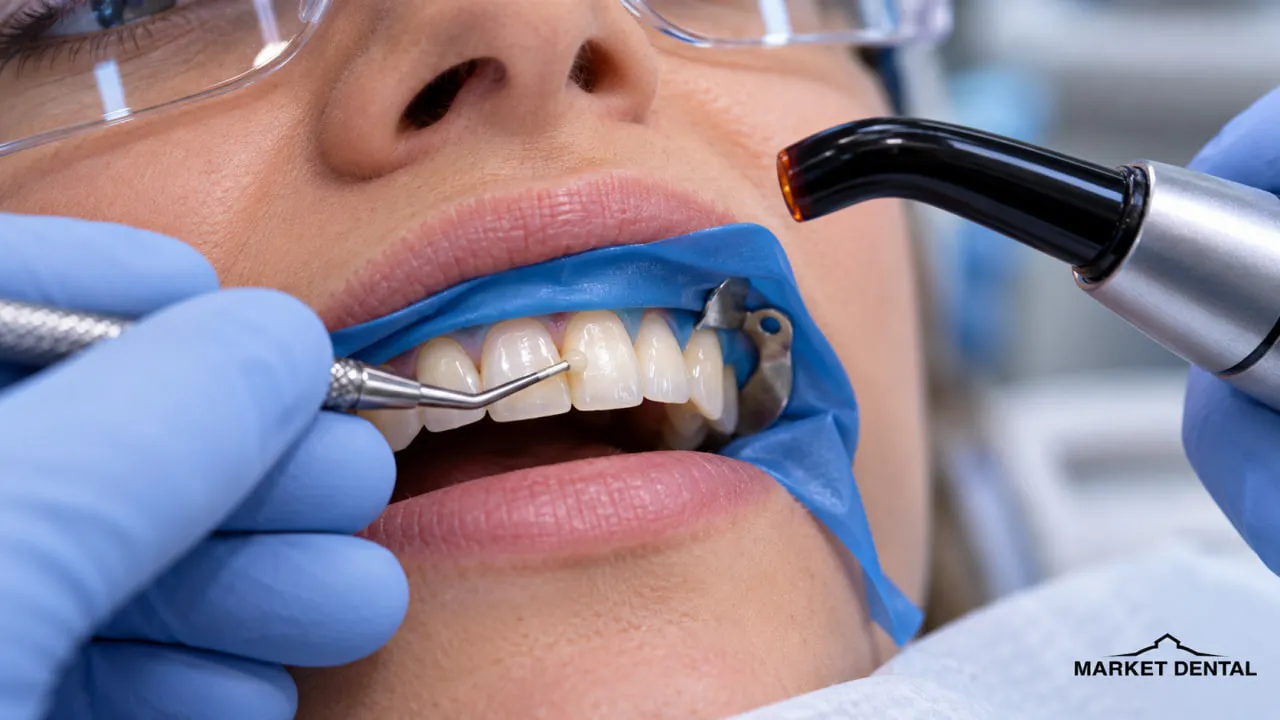
The appointment begins with understanding the condition of the tooth and what you want to address.
Your dentist may assess:
- Tooth structure and existing restorations
- Signs of decay or damage
- Your bite
- The size and location of the concern
- Whether bonding is clinically appropriate
- Whether another treatment should be considered
If bonding is recommended and you decide to proceed, the procedure may involve several steps.
- Shade selection: Choosing composite resin that suits the surrounding teeth.
- Surface preparation: Preparing the tooth according to the planned treatment.
- Composite placement: Applying the tooth-colored resin.
- Shaping: Building and contouring the material.
- Curing: Hardening the material using a dental curing light.
- Finishing and polishing: Adjusting the shape and surface.
Some bonding procedures can be completed during one appointment. More involved work may require a different treatment schedule.
Whether local anesthetic is needed and how long the appointment takes depend on the procedure and clinical findings.
How to Get an Accurate Dental Bonding Estimate
A written estimate based on an examination is more useful than a general online price.
Here is how to approach the process.
- Arrange a dental assessment. The dentist needs to understand the tooth's condition and your goals.
- Explain what concerns you. A chipped edge, a gap, discoloration, or damage from decay may call for different treatment options.
- Discuss the recommended treatment. Ask why bonding is appropriate and whether another option should be considered.
- Review the full scope. Find out which teeth are involved and whether preparatory care, imaging, or other services may be needed.
- Request a written estimate. Ask for a clear explanation of the proposed services and fees.
- Review your benefits. If you have private insurance or CDCP, ask how the relevant rules may apply.
The goal is not simply to get a number. It is to understand what that number represents.
A written estimate also makes a dental bonding cost Toronto comparison more meaningful because it allows you to consider treatment scope, not just the advertised price.
Questions to Ask Before Accepting a Bonding Estimate
Before agreeing to treatment, consider this checklist:
- Which teeth are included in the proposed treatment?
- Is the work restorative, cosmetic, or both?
- What does the estimate include?
- Are examination or imaging fees separate?
- Is there an alternative treatment worth considering?
- Could the plan change if additional decay or damage is found?
- What future maintenance may be needed?
- How will insurance claims be handled?
- What expenses might remain my responsibility?
You do not need to make a decision before you understand the recommended treatment and its cost.
Key Takeaways
- There is no single dental bonding price that applies to every patient or treatment.
- Ontario dentists set their own fees, and the ODA Suggested Fee Guide is a reference rather than a mandatory schedule.
- The number of teeth, extent of repair, and treatment purpose can all affect the estimate.
- Restorative and elective cosmetic bonding may be treated differently by insurance.
- Private dental benefits depend on the individual plan.
- CDCP may cover eligible restorative procedures, but cosmetic treatment is excluded.
- A predetermination can help clarify expected insurance benefits without guaranteeing reimbursement.
- A written estimate following a clinical assessment is more useful than comparing online prices alone.
Want a Clearer Dental Bonding Estimate in Downtown Toronto?
A small chipped tooth, an uneven edge, or a gap you would like to address can raise different questions about treatment and cost.
An assessment at Market Dental Centre can help clarify whether bonding is suitable, how much work may be involved, and whether another restorative or cosmetic option makes more sense.
You can also review the proposed treatment, discuss insurance questions, and request an estimate before making a decision.
Market Dental Centre is located at 149 Lower Jarvis Street in Downtown Toronto, near St. Lawrence Market.
Call (416) 363-4115 or request an appointment to discuss your concerns with the dental team.
This guide is general information, not medical advice. Fees and coverage vary, so ask your dentist and your insurer for details before treatment.