



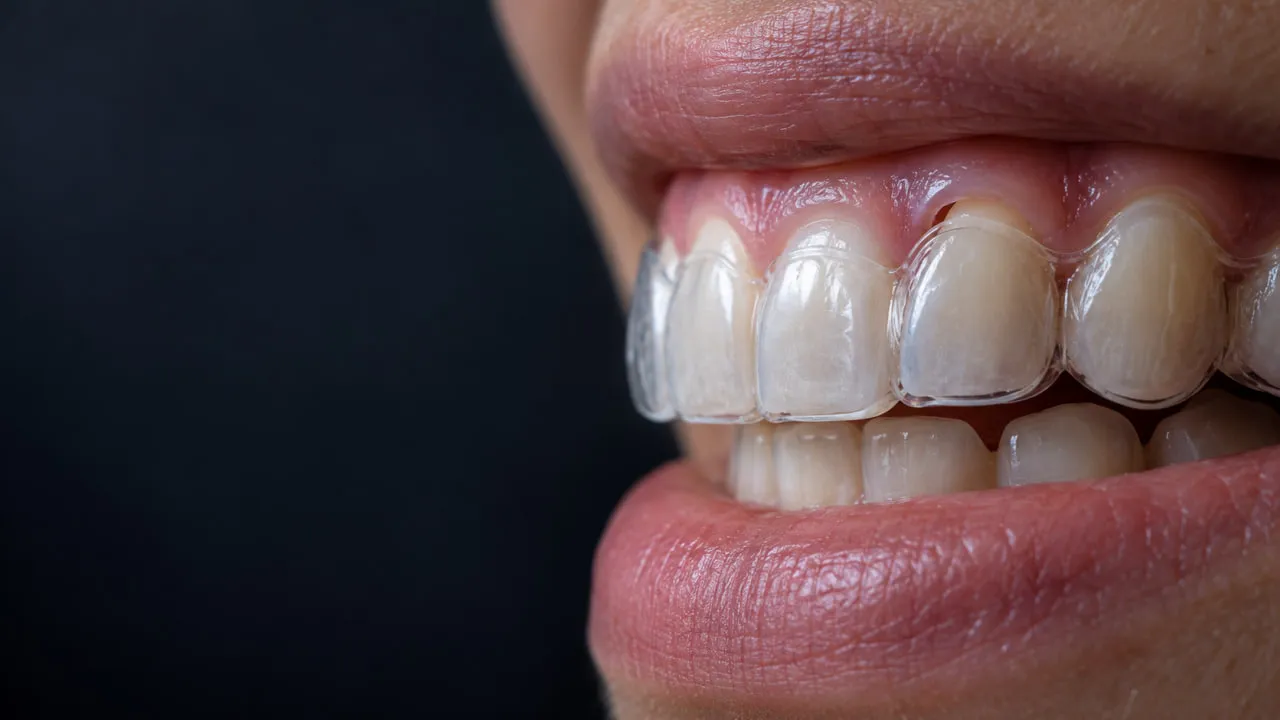
Invisalign not tracking, or a tray that suddenly does not sit as closely as expected, can be unsettling when previous aligners seemed to fit normally. You might notice a small space above one tooth, an edge that lifts, or an attachment that no longer seems to engage with the tray. A poor fit does not automatically mean treatment has failed. It does mean the aligner and your current tooth positions may not be matching as expected, and the reason is not always obvious from a mirror. This guide explains what tracking means, what you can safely check, what to avoid, and when your treating dentist should review the fit.
Invisalign Not Tracking: The Short Answer
Tracking describes how closely your teeth and current aligner are following the planned treatment stage. When an aligner is not seating as expected, you may notice a persistent gap, lifting or rocking, or an attachment that no longer seems to engage with the tray.
A gap is an observation, not a diagnosis. Possible explanations include seating, inconsistent wear, individual tooth response, a lost attachment, tray damage, treatment staging, or contact between teeth. Do not change trays on your own because the cause needs to be understood first.
For a broader overview of treatment, see Invisalign clear aligners in Downtown Toronto.
What Does Invisalign Not Tracking Mean?
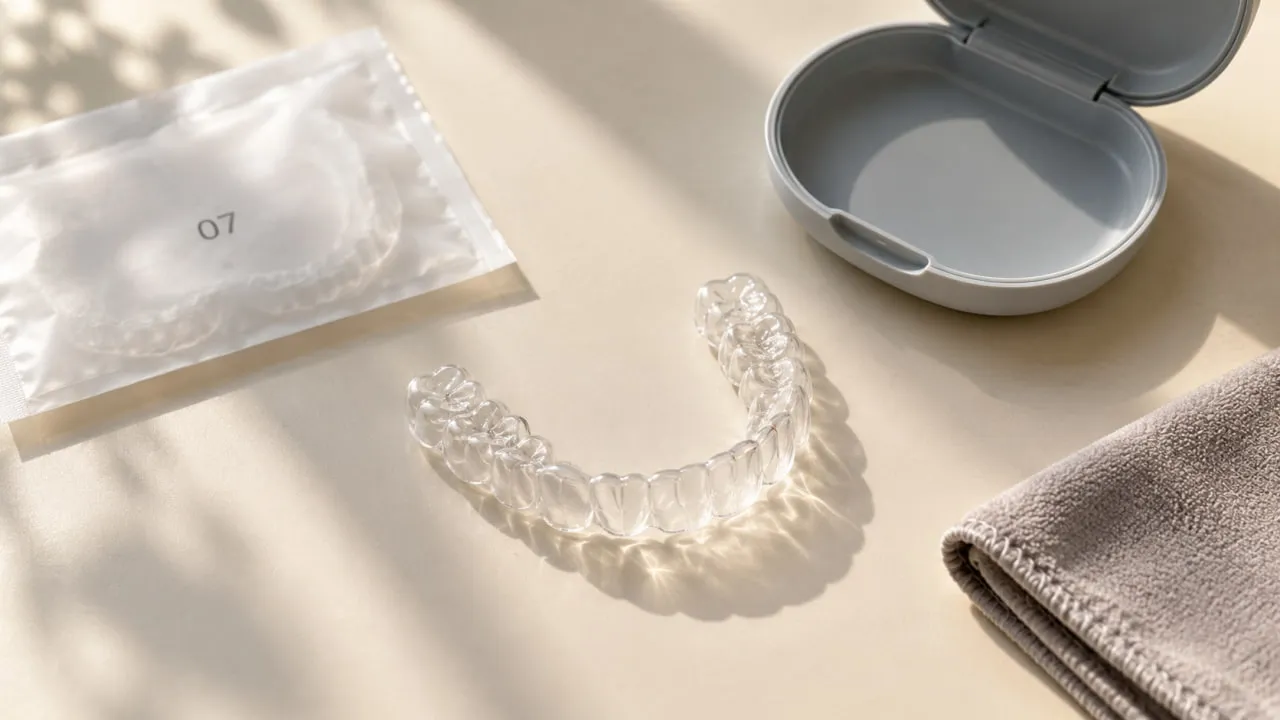
Each aligner is made for a planned treatment stage. If one or more teeth have not reached the expected position for that stage, part of the aligner may sit away from the tooth or fail to engage an attachment as intended.
The digital treatment plan provides the intended sequence, but tooth movement is a biological process and individual response can vary. Market Dental Centre's guide to how Invisalign moves teeth explains the mechanics in more detail.
Is Some Tightness Normal With a New Aligner?
Yes. A new aligner can feel snug when first inserted. That is different from a tray that will not seat properly, keeps lifting, or develops a persistent visible gap.
Contact your treating provider if the fit does not improve as expected, the gap grows, pain becomes significant, the aligner is damaged, or your bite feels unexpectedly different.
Signs Your Aligner Fit May Need Review
Possible signs include:
- a persistent gap between the aligner and a tooth;
- a tray that repeatedly lifts or rocks;
- an attachment that no longer seems to engage;
- one tooth not seating while the surrounding teeth do;
- the next prescribed aligner not fitting;
- fit that is getting progressively worse.
No single sign tells you the cause by itself.
Common Reasons Invisalign Aligners Stop Fitting as Expected
When a patient reports Invisalign not tracking, a dentist may consider several possibilities. These are possible explanations, not problems that can be diagnosed from appearance alone.
1. Wear Time Has Been Inconsistent
The official Invisalign wear guidance says patients typically wear their aligners 20 to 22 hours a day, while the schedule prescribed by the treating clinician remains the one to follow.
Wearing an aligner less than prescribed can contribute to teeth not reaching the planned stage before the next scheduled change.
2. A Tooth Is Responding Differently Than Planned
Individual tooth movement can differ from the planned staging. Some movements may need more time, closer monitoring, or a change in the treatment plan.
That does not tell you what is happening with a particular tooth. A clinical review is needed to distinguish biological response from other fit problems.
3. An Attachment Has Come Off or Is Not Engaging
Attachments are small composite features placed on selected teeth to help an aligner apply planned forces.
If one appears to be missing, do not try to glue it back on or alter the tray. Contact the treating provider for instructions.
4. The Aligner Is Damaged or Distorted
Heat exposure, cracks, or deformation can change how a tray fits.
Do not force a sharp, painful, badly cracked, or distorted aligner into place. Contact your treating provider to find out what to wear next.
5. The Treatment Stage or Sequence Needs Review
Changing aligners before the teeth are ready can leave the next tray ahead of the current tooth positions.
Do not skip forward, go back to an earlier aligner, or extend a wear schedule on your own. Your treating provider may adjust the sequence after reviewing the fit.
6. Space or Contact Between Teeth Needs Clinical Review
Some treatment plans include management of the contacts or spaces between teeth. Interproximal reduction, or IPR, may be part of selected plans, but only a clinician can determine whether it is relevant to a specific tracking problem.
7. The Wrong Aligner Has Been Picked Up
Before assuming there is a treatment problem, check the tray number, upper versus lower aligner, and stage shown on the packaging.
If the tray appears to be the wrong one, do not force it into place.
What Can You Safely Do If an Invisalign Tray Does Not Fit?
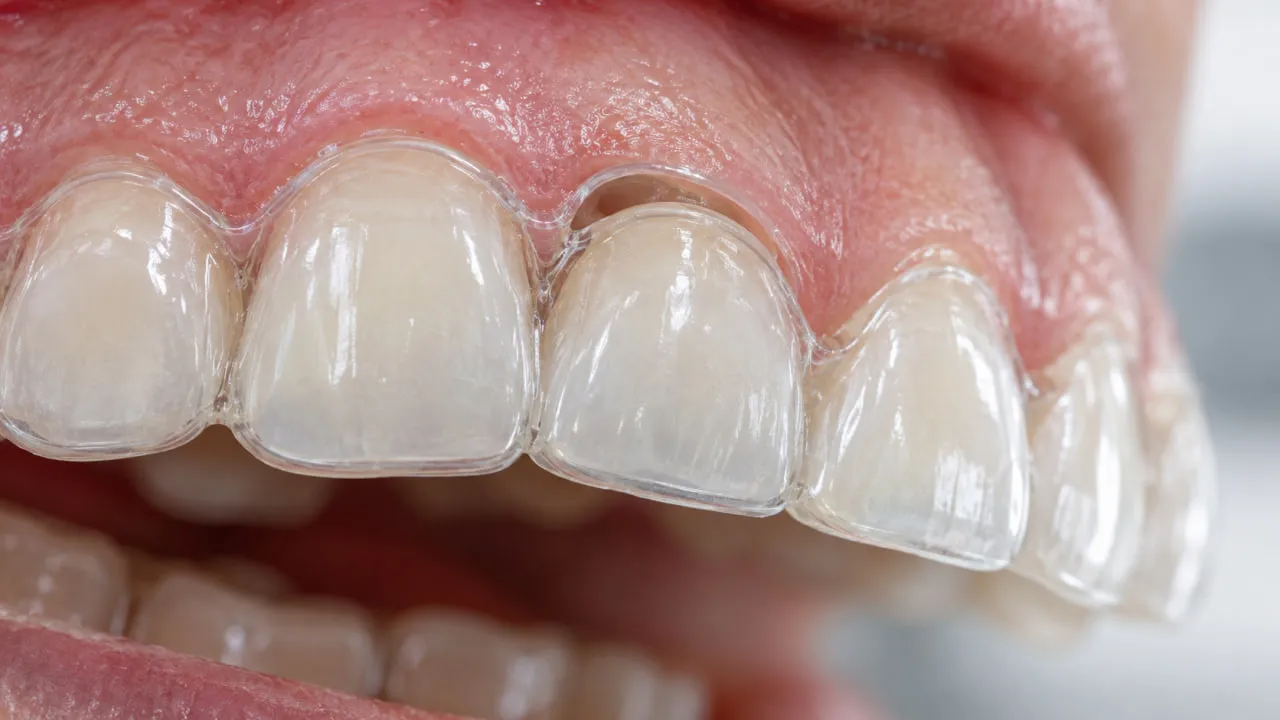
Start with simple checks that do not alter the appliance or your treatment sequence:
- Do not force the tray into place.
- Check the tray number and inspect it for obvious cracks, warping, or damage.
- Look at your attachments without picking or scraping them.
- Take a clear photo of the area that is not seating.
- Note when you changed trays, how consistently you have worn the current aligner, and whether there has been heat exposure, a lost attachment, pain, or swelling.
- Contact your treating provider for instructions.
Whether you should continue wearing the current aligner depends on the situation. If it is sharp, painful, badly cracked, distorted, or cutting your mouth, contact the provider promptly rather than forcing or automatically continuing it.
What Not to Do
Do not:
- force or aggressively bite the tray into place;
- trim, file, bend, heat, or boil it;
- glue an attachment back on;
- skip ahead to later aligners;
- return to an earlier aligner without professional guidance;
- create your own wear schedule.
Do Invisalign Chewies Help With Tracking?

A chewie is a soft seating aid that may help an intact aligner sit more closely when the treating dentist has recommended its use.
It cannot correct a missing attachment, a warped tray, an incorrect sequence, or a larger treatment discrepancy. Follow your provider's instructions rather than an online chewie routine.
Should You Go Back to Your Previous Invisalign Tray?
Not on your own.
Depending on the circumstances, your treating provider may sometimes advise temporarily wearing a previous aligner that still fits comfortably. The appropriate choice depends on the treatment stage, current fit, tray condition, tooth positions, and symptoms.
Can You Move to the Next Tray?
Do not advance the sequence on your own when the current aligner is clearly not seating as expected.
Contact the treating provider, explain what you are seeing, and follow the instructions for your case.
What If an Invisalign Attachment Falls Off?
An attachment is a small composite feature bonded to a selected tooth so the aligner can apply a planned force more effectively.
If an attachment appears to have come off, do not try to replace it yourself. Contact the treating office, identify the tooth if you can, and send a clear photo if requested.
Your provider can advise what to do with the current aligner and whether the area needs to be reviewed.
Aligner Fit Troubleshooting Guide
This table is a quick guide, not a diagnosis.
When Should You Contact Your Dentist About Invisalign Not Tracking?

Most fit problems are not medical emergencies, but reporting them early can prevent uncertainty about what to wear next. If another dental or orthodontic office is supervising your treatment, contact that treating provider first.
Contact the Treating Office for Guidance
Contact the office if you notice:
- a persistent gap;
- a tray that keeps lifting or rocking;
- a missing attachment;
- a next aligner that will not seat;
- a fit problem that keeps recurring.
Contact the Office Promptly
Call promptly if there is worsening pain, a badly distorted aligner, a sharp edge cutting the gums or cheek, or a significant unexpected bite change.
Seek Urgent Assessment
Rapidly increasing facial swelling, severe symptoms that may indicate another dental problem, or significant soft-tissue injury deserves urgent assessment.
If swelling affects breathing or swallowing, call 911 or seek emergency medical care.
For other urgent dental concerns, see Market Dental Centre's emergency dental care information.
What Can Your Dentist Check When an Aligner Is Not Tracking?
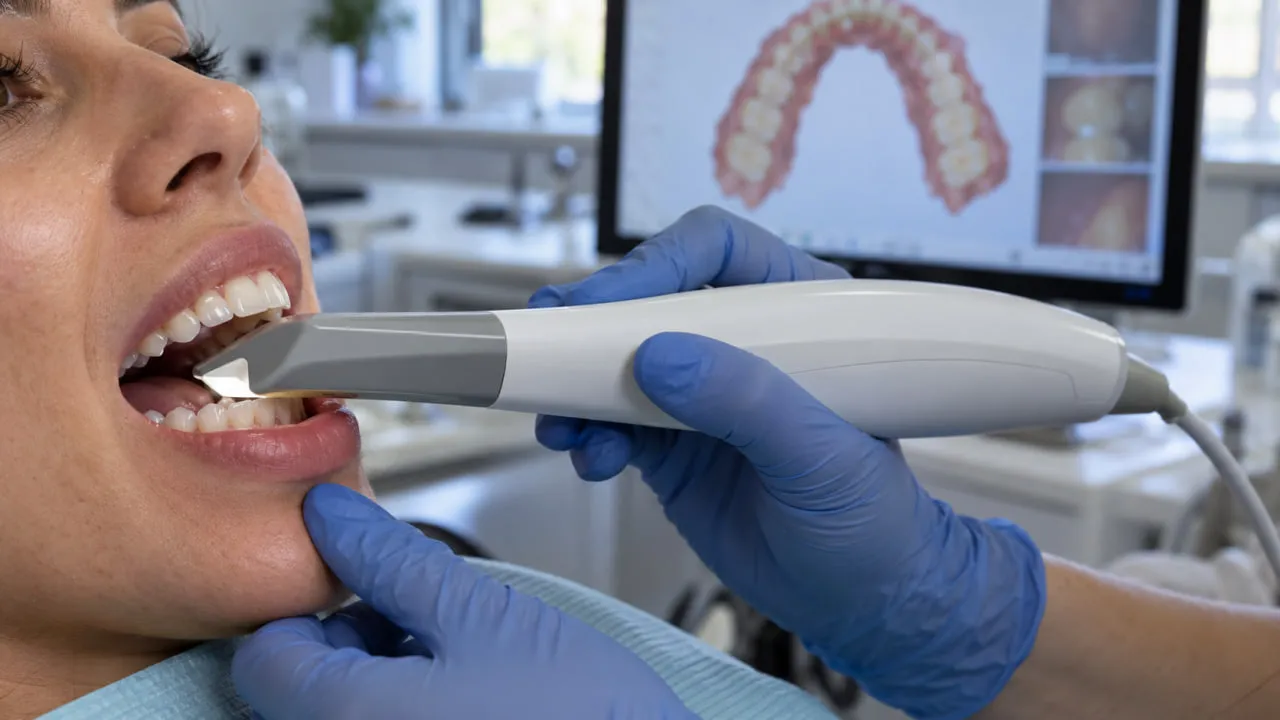
A progress visit for Invisalign not tracking is intended to identify why the fit has changed. Depending on the situation, the dentist may review:
- how the tray seats;
- whether attachments are intact;
- current tooth positions;
- the treatment stage;
- recent wear history;
- contact points or available space;
- tray condition;
- the bite.
Not every visit requires every check.
Possible Next Steps After a Progress Check
Depending on the findings, the treating provider may:
- recommend more time in the current aligner;
- repair or replace an attachment when appropriate;
- adjust the treatment sequence;
- review contact or space issues;
- obtain updated records;
- revise the treatment plan;
- prescribe additional aligners, often called refinements.
Refinements are one way a treatment plan may be adjusted. They do not automatically mean treatment has failed. Questions about fees belong in the separate guide to what Invisalign costs, including refinements.
How to Reduce Avoidable Invisalign Tracking Problems
Not every case of Invisalign not tracking can be prevented, but a few habits can reduce avoidable fit problems:
- Wear aligners for the schedule prescribed by your treating dentist.
- Change aligners only according to the treatment schedule you were given.
- Store aligners in their case when they are out of your mouth.
- Keep them away from hot water and other heat sources.
- Insert and remove them as your provider has shown you.
- Use a seating aid only if your provider recommends it.
- Attend progress checks and report fit changes rather than waiting through several stages.
Key Takeaways
- A visible gap is an observation, not a diagnosis.
- Do not force, trim, file, bend, or heat an aligner.
- Do not change the tray sequence on your own.
- Check the tray number, visible damage, and attachments before calling.
- Use chewies or other seating aids only if recommended.
- Sharp, painful, or badly distorted aligners need prompt guidance.
- A fit problem does not automatically mean treatment has failed.
- Refinement aligners are one possible adjustment, not an automatic next step.
Aligner Not Fitting the Way You Expected?
A progress assessment can help determine whether the aligner is seating as expected, an attachment needs attention, the treatment stage should be adjusted, or updated records or additional aligners may need to be considered.
Market Dental Centre is a general dental practice at 149 Lower Jarvis Street in Downtown Toronto, near St. Lawrence Market and Old Town Toronto.
Current patients can call (416) 363-4115 or request an appointment. If another office is supervising your Invisalign treatment, contact that provider first.
This guide is general information, not medical advice. Contact your dentist before changing how you wear your aligners.