






Sedation Dentistry in Downtown Toronto
For some people, the hardest part of dental care is making the call. A previous appointment may have been difficult, or you might feel uncomfortable explaining how long it has been since your last visit. You can talk to us about these concerns without fear of judgment. Market Dental Centre is a general dental practice in Downtown Toronto, near St. Lawrence Market. We offer two sedation dentistry options: laughing gas (nitrous oxide) and IV moderate sedation. Both can help suitable patients feel more relaxed during dental treatment. You don't need to choose a sedation option before contacting us. We can discuss what makes dental visits difficult for you and consider whether sedation is appropriate for your health and dental needs.

What Is Sedation Dentistry?
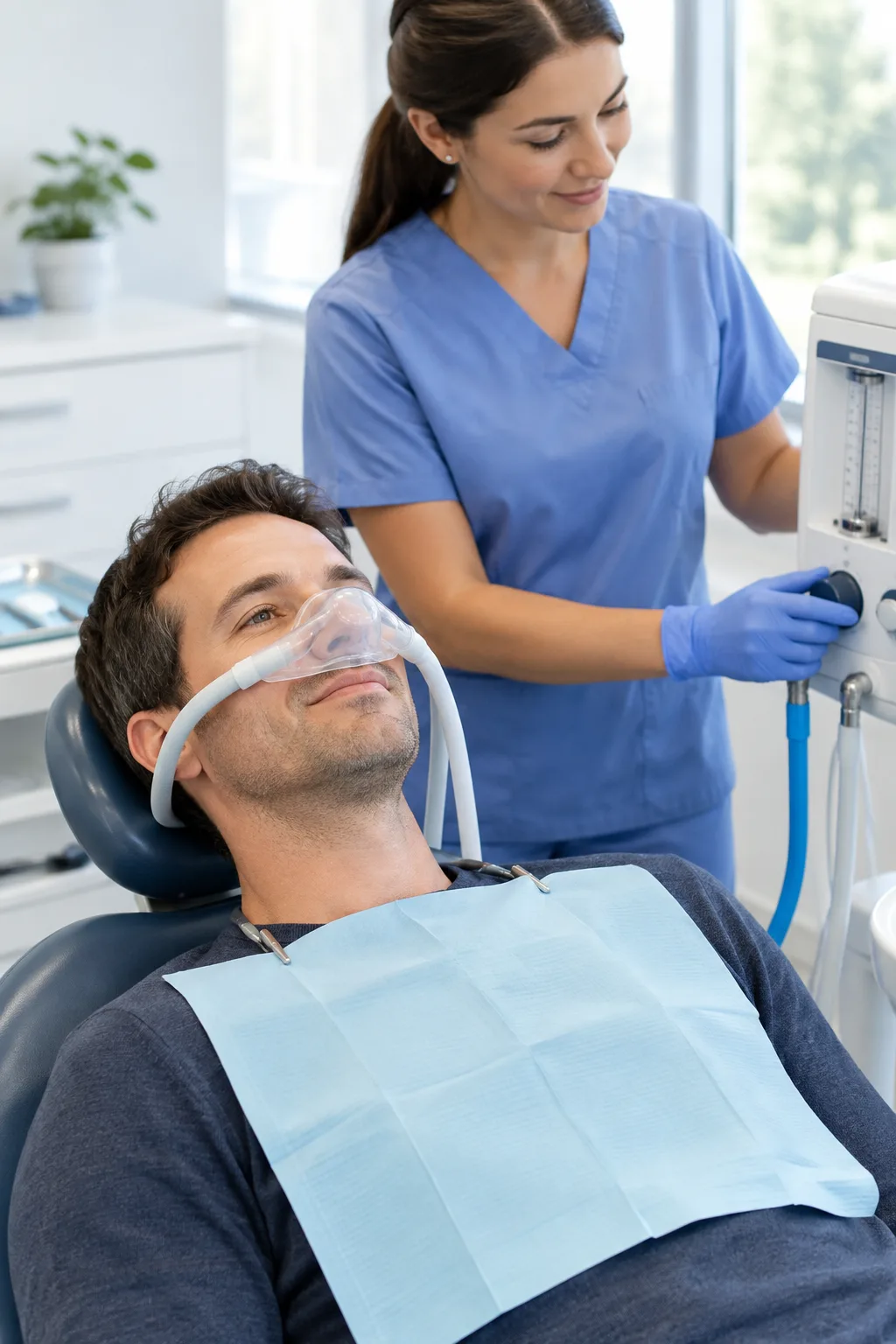
Sedation dentistry uses medication to help manage anxiety during dental treatment. Although it is sometimes called “sleep dentistry,” this informal term does not necessarily mean being asleep. Neither of the sedation options we offer involves general anesthesia.
Laughing gas typically produces minimal sedation, while IV moderate sedation provides a deeper level of relaxation. At these intended levels, patients generally remain responsive and breathe on their own. With IV sedation, you may become quite drowsy, but the goal is not to make you unconscious. Individual responses can vary, which is why appropriate monitoring matters.
Sedation helps manage anxiety; freezing numbs the area being treated.
Sedation and local anesthesia serve different purposes. If your dental procedure requires freezing, it is still used alongside sedation to manage pain.
Who May Benefit from Dental Sedation?
Dental visits can be difficult for different reasons. Sedation may be worth discussing when these difficulties get in the way of care.

Dental Anxiety, Phobia and Fear of Needles
Dental anxiety and dental phobia. Clear explanations and planned breaks may be enough for some patients. When fear makes treatment difficult, sedation can help manage anxiety during the appointment. Our guide to managing dental anxiety explores other ways to make visits more manageable.
Fear of needles or dental sounds. Tell us if injections or the sound of the drill make you anxious. Laughing gas is inhaled, although freezing may still involve an injection. IV sedation requires needle placement.

Gag Reflex and Staying Comfortable in the Chair
Strong gag reflex. Taking X-rays or treating back teeth can be uncomfortable with a sensitive gag reflex. Sedation may help some patients tolerate these procedures, but gagging can still occur.
Difficulty sitting still or getting numb. Some patients struggle to stay comfortable in the dental chair. Others have had difficulty getting numb in the past. Both concerns deserve attention, but sedation is not a solution for inadequate local anesthesia.

Longer or Multiple Procedures
Sitting through a lengthy appointment can be challenging. Sedation is sometimes considered for procedures such as wisdom teeth removal or other oral surgery. The dentist determines which treatments can reasonably be completed in one visit.
Your medical history, dental examination, and planned treatment help determine whether sedation is appropriate.
Types of Dental Sedation: Laughing Gas vs. IV
Choosing between these options involves more than the level of relaxation. It also means considering the treatment ahead and how much recovery time you can set aside.

Is Dental Sedation Safe?
Sedation carries risks
Health review comes first
A health assessment, appropriate preparation, trained personnel, and monitoring help reduce those risks. Possible side effects include nausea and dizziness. Sedation can also affect breathing or become deeper than intended.
Tell your dentist about existing medical conditions, medications, supplements, allergies, previous reactions to sedation or anesthesia, and any possible pregnancy. Heart or lung conditions and sleep apnea warrant particular attention. Depending on your health, the dentist may need input from your physician, recommend another approach, or arrange care in a different setting.
Monitoring During Dental Sedation
Supervised throughout
A trained team for IV sedation
Patients receiving laughing gas are supervised throughout treatment. IV moderate sedation requires a trained team, and the team also observes breathing and responsiveness.
During IV sedation, blood oxygen levels are monitored continuously, while blood pressure and pulse are checked at regular intervals. Monitoring continues through recovery as required, helping the team recognize and respond to changes.
Ontario's Dental Sedation Requirements
Authorization required
Facility permit for IV sedation
The Royal College of Dental Surgeons of Ontario (RCDSO) requires dentists to hold current authorization for the level of sedation they administer, including laughing gas. Read more about Ontario’s dental sedation standards on the RCDSO website.
Dental offices providing IV moderate sedation also need a facility permit in addition to the dentist's own authorization.
The Step-by-Step Sedation Appointment
The exact sequence depends on your sedation option and dental treatment. Here is what you can generally expect before, during, and after your appointment.
1. Consultation and Assessment
Tell the dentist what makes dental visits difficult and what you would like handled differently. An examination and health review help guide treatment planning.
2. Choosing a Sedation Option and Preparing
Your dentist explains the suitable options, including care without sedation, along with their benefits, risks, and alternatives. You can ask questions before deciding whether to consent. IV sedation requires written consent beforehand. Our guides to how laughing gas works and IV moderate sedation in Toronto explain what to expect.
Follow the instructions for your sedation method, including when to stop eating and drinking, how to take medications, and whether you need someone to accompany you.
3. Sedation, Freezing and Treatment
An authorized provider administers the planned sedation. If freezing is needed, its timing depends on the procedure and your treatment plan.
Treatment begins when you are ready, as determined by the dental team. You can discuss a signal, such as raising your hand, to communicate discomfort. Monitoring continues throughout treatment.
4. Recovery and Discharge
Your recovery is assessed before you leave. After IV moderate sedation, a responsible adult must accompany you home, and both of you receive an explanation of the written aftercare instructions. After laughing gas, leaving alone requires full recovery and the dentist's approval.
How Much Does Sedation Dentistry Cost in Toronto?
What Affects the Cost
Sedation may add a separate fee to your dental treatment. The fee depends on the sedation method, duration, and planned treatment.
The Ontario Dental Association (ODA) Suggested Fee Guide provides a reference for dental fees rather than a mandatory price list. Knowing the expected cost beforehand can help you plan your visit.
Private Insurance and Direct Billing
Workplace, student, and individual dental plans differ. Some exclude sedation or limit coverage to certain procedures. Read our guide to dental insurance coverage in Ontario.
We offer direct billing where applicable. A predetermination can help you estimate what your insurer may pay, but it does not guarantee reimbursement.
Does the CDCP Cover Sedation?
We accept eligible Canadian Dental Care Plan (CDCP) patients. Laughing gas and IV moderate sedation may qualify when provided with eligible dental treatment and program criteria are met.
IV sedation generally requires preauthorization.
CDCP Fees and Estimates
For covered services, we follow CDCP fees without a separate clinic markup. Co-payments and charges for noncovered services may still apply.
You can ask for a treatment estimate before deciding whether to proceed.
Before & After Your Sedation Visit
Preparation and recovery differ by sedation method. Follow the written instructions for your appointment.
After laughing gas: leave only after the dentist clears you for discharge. If you have lingering symptoms, you need a responsible adult escort. Follow your dentist's driving and activity instructions. Contact our office with recovery questions. Call 911 for breathing difficulties or if someone cannot be awakened normally.

Why Choose Market Dental Centre?
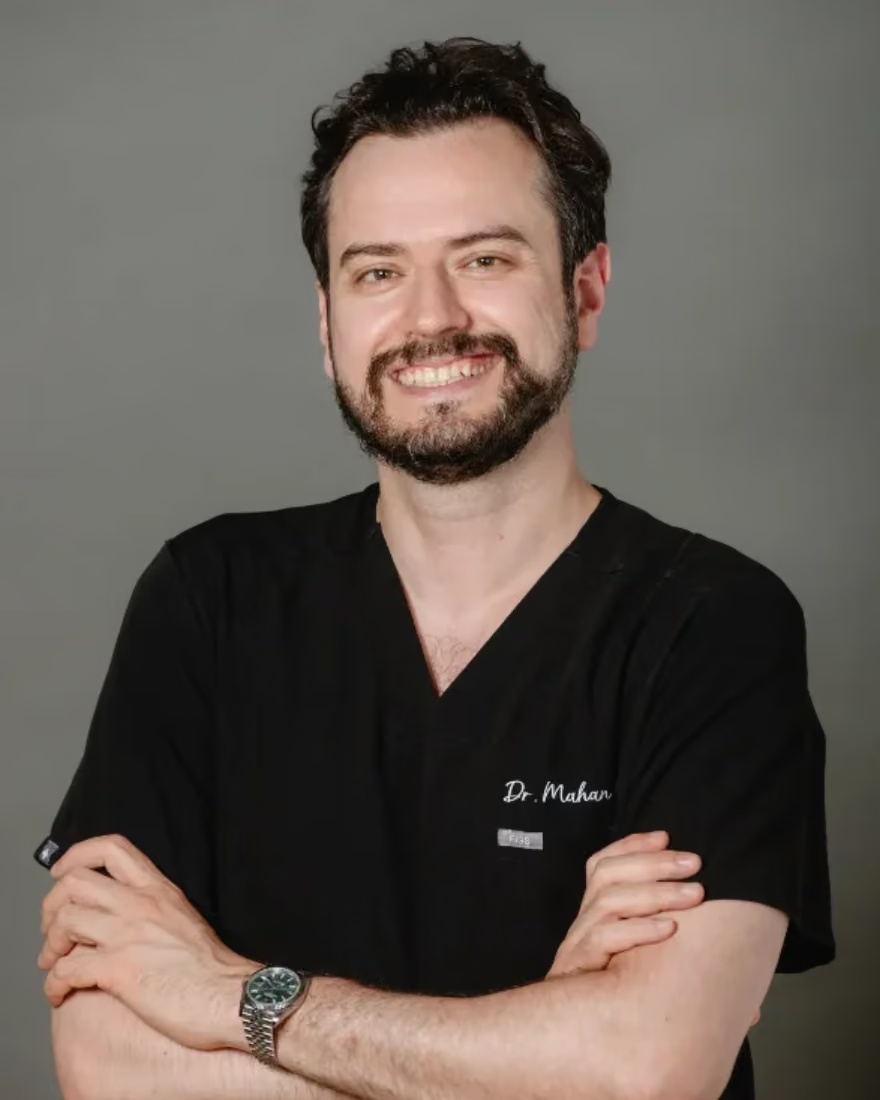
Sedation can be one part of a broader plan for your general dental care, from addressing immediate concerns to keeping up with routine visits.
Dental care that starts with listening. Let us know how much detail you prefer before a procedure and what would make communication easier during treatment. We encourage questions before you make decisions about your care.
General dentistry with sedation experience. Market Dental Centre has served Downtown Toronto since 1981. Dr. Mahan Alavi, a general dentist at our practice, completed a hospital dental residency at Sunnybrook Health Sciences Centre. His clinical experience includes caring for patients with additional support needs and providing IV moderate sedation.
A Downtown Toronto location. Our office is at 149 Lower Jarvis Street in Old Town Toronto, near St. Lawrence Market. We welcome patients who live downtown or work in the Financial District. The practice is open Monday through Saturday; ask about sedation appointment availability.
Frequently Asked Questions About Sedation Dentistry
Here are answers to questions you may have before arranging a visit.
Will I Be Asleep During IV Moderate Sedation?
What Is the Difference Between Laughing Gas and IV Sedation?
What If Sedation Isn't Right for Me?
Can I Drive Home After My Appointment?
Can I Have Sedation If I'm Pregnant or Breastfeeding?
Can Children Have Sedation at the Dentist?
Can Sedation Help Patients With Additional Support Needs?
Talk to Us About a More Comfortable Dental Visit
If you're considering sedation dentistry in Downtown Toronto, tell us what you would like to accomplish at your next dental visit. We can discuss your concerns and assess whether sedation is appropriate for the care you need. Requesting an appointment does not commit you to sedation or dental treatment. Market Dental Centre is on Lower Jarvis Street, near St. Lawrence Market. Request an appointment online or call (416) 363-4115.
Request a Sedation Dentistry Consultation
We’ll follow up to confirm a time and answer your questions.
Please do not include sensitive medical information. This form is for appointment requests only.
