








Dental anxiety sedation options can make treatment feel more manageable, but the right choice depends on what actually makes dental care difficult for you. For one person, it is fear of pain. For another, it is needles, a strong gag reflex, drill sounds, or the feeling of losing control once the chair reclines. Some people are more worried about being judged after avoiding care for years. Sedation can reduce anxiety and change awareness, but it does not replace local anesthetic, guarantee amnesia, or automatically mean you will be asleep. Understanding those differences makes it easier to ask useful questions before a Toronto dental appointment and decide what level of support may fit your situation.
Before Comparing Sedation, Identify What Makes Dental Care Hard for You
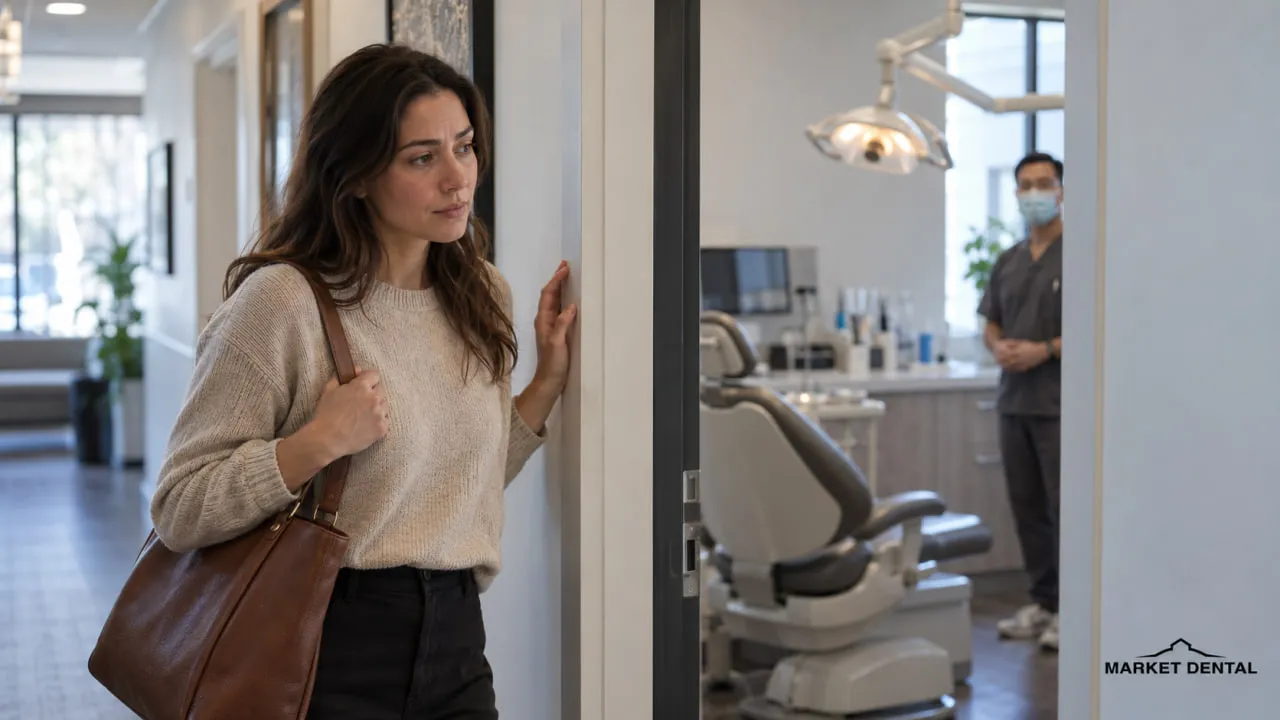
Dental anxiety ranges from mild unease before an appointment to intense fear that makes someone postpone or cancel care. You do not need to decide whether your fear qualifies as a “phobia” before discussing it with a dentist.
Think of this as a way to explain what you need, not a tool for choosing your own medication.
Five Questions That Make Dental Anxiety Sedation Options Easier to Compare
Instead of asking which method is “strongest,” ask five practical questions:
- How much can it reduce my anxiety?
- Will I still be awake and able to respond?
- What controls pain during the procedure?
- How much might I remember afterward?
- What escort, transportation or recovery rules apply?
Those questions tell you more than terms such as “twilight” or “sleep dentistry.”
Sedation Calms Anxiety; Local Anesthesia Controls Dental Pain
Sedation and local anesthesia do different jobs.
Sedation can reduce anxiety, cause drowsiness, change awareness of time and sometimes reduce memory. The effect varies with the medication, dose, sedation depth and individual response.
Local anesthetic, often called freezing, reduces pain sensation in the treatment area. Fillings, root canal treatment, extractions and many other procedures may still require it even when sedation is being used.
Pressure, movement or vibration may still be noticeable. If you have had trouble getting numb before, tell the dentist before treatment starts.
How Ontario Classifies Dental Sedation
Patients usually hear about laughing gas, pills and IV sedation. Ontario's regulatory framework is more precise.
Minimal sedation leaves you relaxed but responsive. Moderate sedation creates a deeper reduction in awareness while you still respond purposefully. Deep sedation is a separate level, and general anesthesia means loss of consciousness.
The route and the depth are not the same thing. “IV” only tells you that medication enters through a vein; it does not automatically mean deep sedation.
Nitrous Oxide: You Stay Awake and the Effect Can Be Adjusted
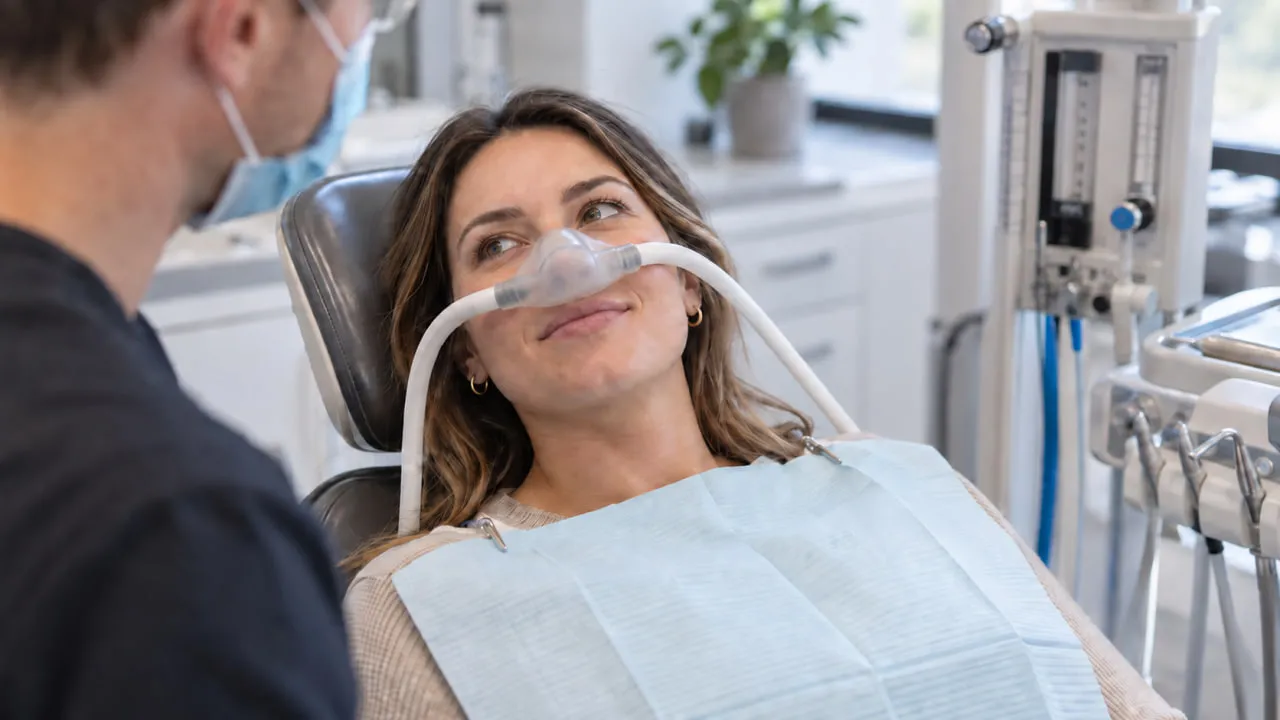
Nitrous oxide, often called laughing gas, is inhaled with oxygen through a small nasal mask. It is commonly used for minimal sedation, so you remain awake and able to respond.
Its practical advantage is adjustability. The amount can be changed during the appointment, and its effect generally wears off relatively quickly after administration stops.
Nitrous may be considered for selected patients with dental anxiety or a sensitive gag reflex. Comfortable nasal breathing is important, so congestion can affect whether it is suitable.
For Toronto patients comparing lighter sedation options, discharge and driving instructions should still come from the treating dentist. Rapid recovery should not be treated as automatic permission to drive, take transit alone or return to work.
Oral Sedation: More Relaxation, Less Immediate Adjustability
Oral sedation uses a prescribed sedative taken by mouth. Depending on the medication and dose, it may produce minimal or moderate sedation.
You generally remain responsive, although you may feel drowsy. Some people remember less of the appointment, while others remember more.
Once an oral medication has been taken, its effect cannot be adjusted as immediately as medication delivered through an IV.
Transportation requirements depend on the planned level of sedation. Oral moderate sedation requires a responsible adult to accompany you afterward, so confirm the instructions before the appointment.
IV Sedation: Medication Can Be Adjusted During Treatment
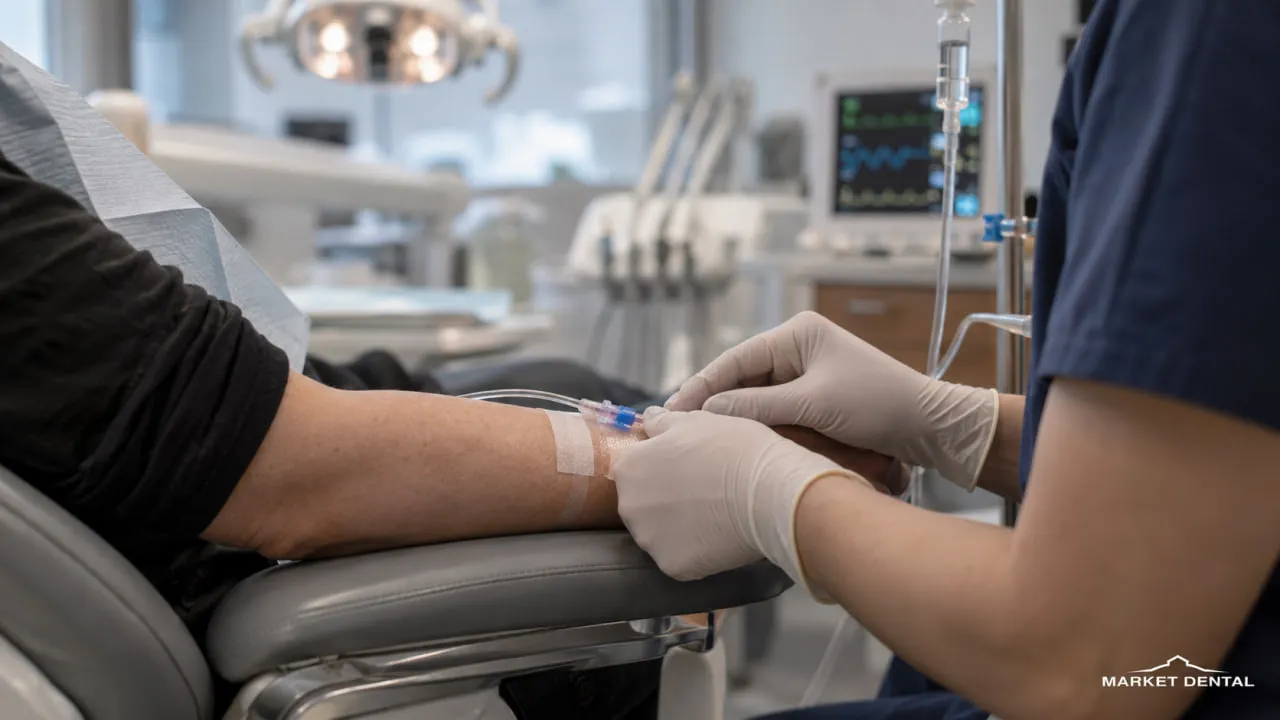
IV sedation delivers medication through a vein. It generally takes effect faster than an oral medication and can be titrated in small amounts while the clinician monitors your response.
IV describes the route, not the sedation depth. It can be used for moderate sedation, while deeper sedation involves different clinical requirements.
Memory may be reduced, but complete amnesia is not guaranteed. If needles are one of your strongest triggers, mention that during the consultation.
Sedation can also come up during planning for procedures such as wisdom teeth removal, but the appropriate approach depends on the patient and procedure.
General Anesthesia Is Different From Conscious Sedation
General anesthesia means you are unconscious and not responsive during treatment.
It is not simply a stronger version of routine IV conscious sedation. It has different authorization, monitoring and facility requirements.
Availability also varies by setting, so ask what level is actually being proposed rather than assuming that “sleep dentistry” means general anesthesia.
Dental Anxiety Sedation Options at a Glance
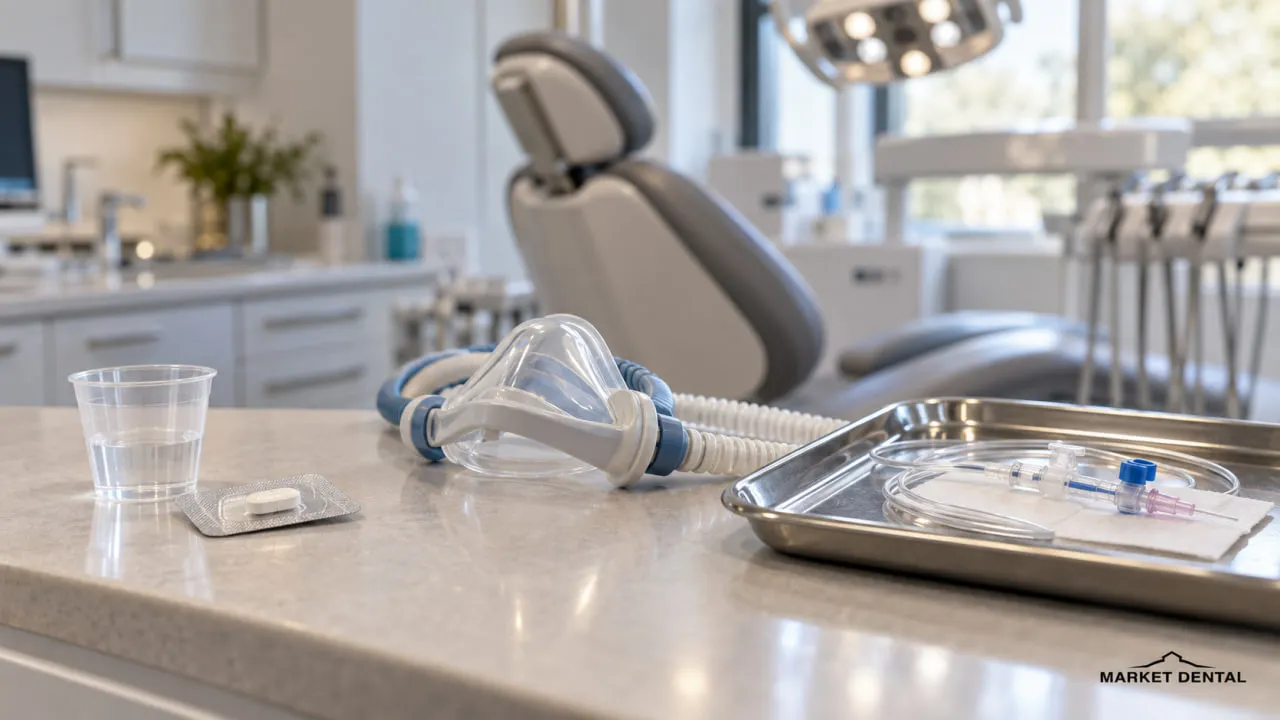
Medical history, medications, the procedure and previous sedation experiences can change which option is appropriate.
Does “Sleep Dentistry” Mean You Will Actually Be Asleep?
Usually not.
“Sleep dentistry” is a consumer term rather than a specific clinical sedation level. Someone searching sleep dentistry Toronto may find the phrase used for nitrous oxide, oral sedation, IV sedation or general anesthesia.
With minimal or moderate sedation, you are generally still responsive. General anesthesia is different because you are unconscious.
Ask the office which clinical level they mean rather than relying on the word “sleep.”
Sedation Is Not the Only Option: Small Changes Can Make a Dental Visit Easier
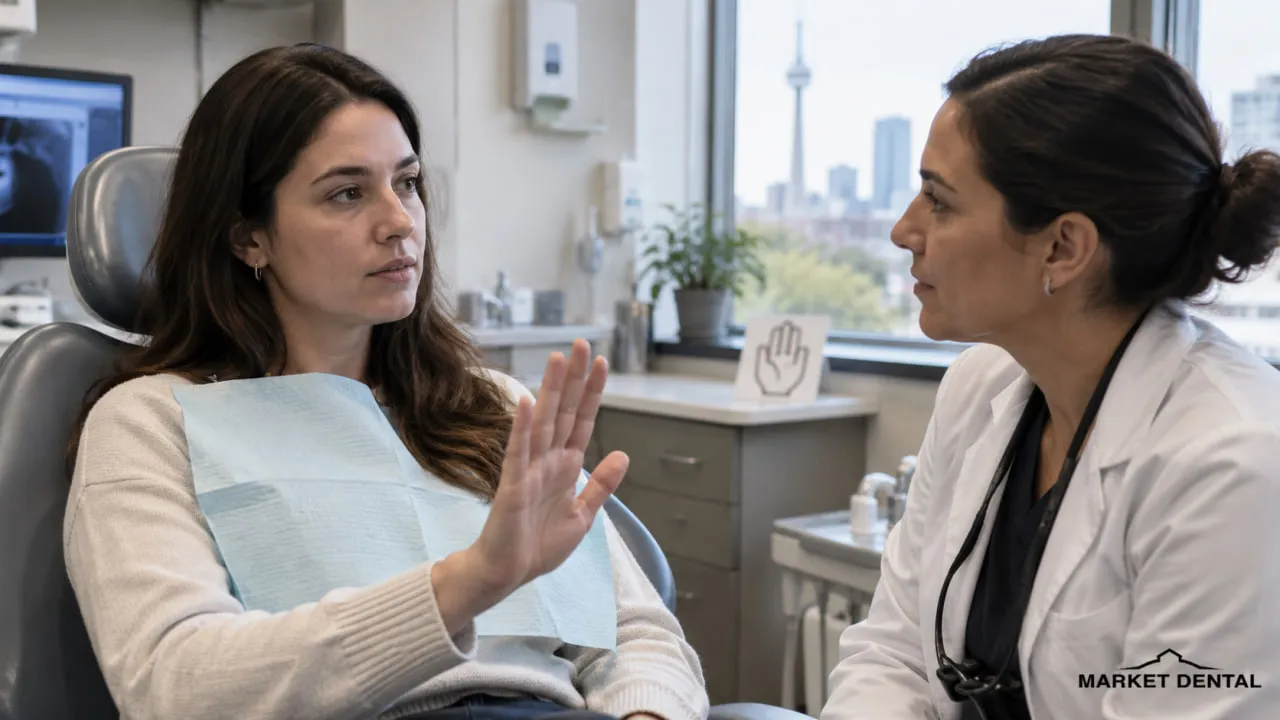
Sedation is only one way to manage dental anxiety. Some patients need medication; others find that better communication, shorter appointments, planned breaks, or gradually becoming comfortable with dental care makes enough of a difference.
You can discuss:
- an agreed stop signal
- whether you want step-by-step explanations or fewer procedural details
- planned breaks during longer treatment
- needle fear before instruments appear
- starting with a shorter assessment visit when appropriate
- which sensations are normal
- whether sedation is necessary at all
The deepest option is not automatically the best one. The most useful dental anxiety sedation options are the ones that fit the patient's health, procedure and actual trigger.
Can Sedation Help With a Strong Gag Reflex?
Sometimes.
Anxiety can make gagging more sensitive, so reducing anxiety may help some patients. Positioning, suction, pacing and other clinical adjustments can also make a difference.
Nitrous oxide requires comfortable breathing through the nose, so congestion or difficulty tolerating a nasal mask may affect whether it works well for a particular patient.
Tell the dentist when gagging usually happens. That detail can help more than simply saying you have a strong gag reflex.
What Can Your First Dental Visit Look Like When You’re Anxious?
Your first visit does not have to begin with a major procedure. Start by telling the dental team what makes appointments difficult for you, whether that is needles, gagging, pain, dental sounds, a previous experience, or simply not knowing what will happen next.
The dentist can review your health history, listen to the immediate concern, and examine your teeth and gums. X-rays or other records may be recommended when clinically appropriate.
From there, you can discuss what care is actually needed and whether ordinary comfort measures may be enough or sedation should be considered. If treatment is recommended, the timing, expected sensations, and available support can be discussed before you decide how to proceed.
If severe pain, swelling, or a broken tooth is what finally brought you in, emergency dental care may be the appropriate starting point.
Dental Sedation in Ontario Has Specific Safety Requirements
Ontario regulates dental anxiety sedation options according to the depth and method of sedation being used.
Dentists who administer sedation need the appropriate authorization. Dental facilities providing oral moderate sedation, parenteral conscious sedation, deep sedation or general anesthesia require the applicable facility permit.
The RCDSO sedation and anesthesia requirements explain the current Ontario framework for authorizations, facility permits and sedation standards.
Before recommending sedation, a dentist may review your medical history, current medications, allergies, previous sedation or anesthesia experiences and the treatment being planned.
Eating, Drinking and Getting Home Depend on the Sedation Plan

There is no single fasting rule that applies to every sedation appointment.
Eating and drinking instructions depend on the medication, sedation depth, procedure, health history and clinical protocol. Follow the instructions given for your specific appointment rather than relying on a generic “two-hour” or “eight-hour” rule.
Transportation also varies. Oral moderate, IV and deeper sedation generally require an escort and post-appointment restrictions.
Nitrous-only minimal sedation usually has a shorter recovery period, but the treating provider still decides when you meet discharge requirements and what activities are appropriate afterward.
Does Dental Insurance Cover Sedation in Ontario?
Coverage for dental anxiety sedation options varies between private dental plans.
Reimbursement can depend on the sedation code, the dental procedure being performed, plan exclusions, deductible, co-insurance, annual maximum, clinical documentation and the insurer's recognized fee.
A predetermination may help estimate expected benefits. It does not guarantee payment, and direct billing does not mean the insurer will cover the service.
Market Dental Centre's dental insurance information explains why coverage needs to be checked against the terms of the individual plan.
If you use the Canadian Dental Care Plan, sedation follows separate CDCP eligibility, frequency and preauthorization rules. Ask the office to check the current requirements for the sedation being considered rather than assuming coverage from CDCP membership alone.
Talking About Dental Anxiety Before an Appointment in Downtown Toronto

You do not need to know which sedative you want before contacting a dentist.
If you want to discuss dental anxiety sedation options, tell the office what makes treatment difficult: pain, needles, gagging, sounds, a previous experience or feeling unable to stop the appointment.
Market Dental Centre is located at 149 Lower Jarvis Street in Downtown Toronto, Ontario, near St. Lawrence Market. When booking, ask which comfort or sedation options are appropriate and currently available for the treatment being considered.
If your main concern is simply making the first visit manageable, explaining the trigger before the appointment gives the dental team more useful information than trying to choose the sedation method yourself.
Key Takeaways
- Dental anxiety can range from mild nervousness to avoidance that makes booking difficult.
- Sedation reduces anxiety and awareness; local anesthesia controls procedural pain.
- Nitrous oxide, oral sedation, IV sedation and general anesthesia are not interchangeable.
- IV describes how medication is delivered, not automatically how deeply sedated you will be.
- “Sleep dentistry” does not necessarily mean being unconscious.
- Memory loss from conscious sedation should never be guaranteed.
- Eating, escort, driving and recovery instructions depend on the sedation plan.
- Ontario dentists and facilities must meet RCDSO requirements for the sedation they provide.
You Can Tell the Dental Office You Are Anxious Before You Agree to Treatment
Choosing a sedative is not something you need to figure out alone.
When you contact Market Dental Centre, explain what makes dental treatment difficult and whether something is hurting now. A dentist can assess the clinical issue, review your health history and discuss which support may be appropriate before treatment goes ahead.
Market Dental Centre is located at 149 Lower Jarvis Street in Downtown Toronto, Ontario, near St. Lawrence Market.
- Call (416) 363-4115
- request an appointment
and mention your dental anxiety when you get in touch.

.webp)


