










That sharp jolt from a sip of coffee or a bite of ice cream is one of the most common complaints dentists hear. If it happens to you, you are far from alone. Tooth sensitivity affects a huge share of adults, and while a quick twinge is rarely dangerous, it usually means something changed in your teeth or gums.
Clinically, it is called dentin hypersensitivity, and it tends to worsen if the underlying cause is ignored.
This guide covers what causes tooth sensitivity, how dentists treat it, and when to stop guessing and book a real exam. If hot and cold foods feel like a gamble, a quick evaluation can tell you exactly what is going on.
What Is Tooth Sensitivity?
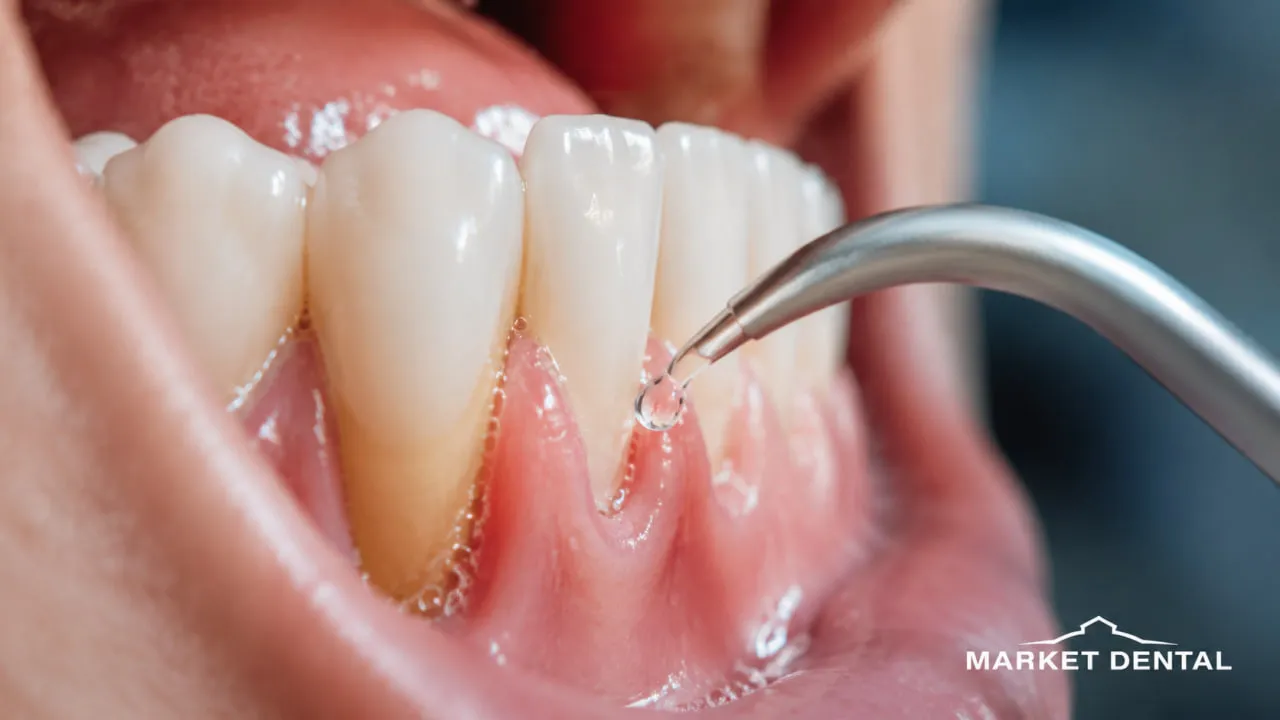
To understand why certain foods trigger pain, it helps to know what a tooth actually looks like underneath. The crown is covered in enamel, the hardest material in the human body, and below the gumline the roots are protected by a thinner layer called cementum.
Under both of those sits dentin, a softer layer packed with thousands of microscopic channels called dentinal tubules. Those tubules run straight down to the pulp, where the tooth's nerves and blood vessels live.
When enamel wears thin or gums pull back, dentin ends up exposed. Hot, cold, sweet, or acidic contact then sends fluid moving through the tubules, which sets off the nerve and produces that sudden stab of pain. It fades fast, but it is your tooth's way of flagging that something has changed.
Because dentin hypersensitivity can come from so many different sources, working out which one applies to you is best left to a dentist who can actually look at the tooth. For general background on how dental professionals classify sensitivity, the American Dental Association publishes patient-facing resources worth a look.
Common Causes of Tooth Sensitivity
Sensitive teeth rarely have just one explanation. Tooth sensitivity can stem from daily habits or from dental issues that have been building for a while without you noticing. Here are the ones dentists see most often.

Enamel Erosion
Enamel erosion happens when acids slowly dissolve the outer layer of your tooth. Citrus fruit, soda, sports drinks, and wine are common offenders if you drink or eat them often.
Acid reflux and frequent vomiting can do the same thing from the inside, since stomach acid is far stronger than anything in a soft drink. As enamel thins, the dentin underneath becomes easier to trigger.
Erosion usually shows up across several teeth at once rather than just one. Fluoride treatment, a softer toothbrush, and cutting back on acidic drinks are typically enough to slow it down.
Gum Recession
Gum recession is when tissue pulls back and exposes the tooth root. Roots are covered by cementum instead of thick enamel, so once they are exposed, they react to almost everything.
Periodontal disease, genetics, and brushing too hard can all cause it. A telltale sign is a tooth that suddenly looks longer than the ones next to it, or gums that feel tender right at the base of a tooth.
Mild recession often responds well to a periodontal care plan built around desensitizing toothpaste and a gentler brushing technique. More advanced cases may need a gum graft to cover the exposed root permanently.
Tooth Decay
A cavity is one of the more straightforward reasons for sensitivity. Bacteria feed on sugar and produce acid that eats through enamel, and once that reaches the dentin, the tooth starts reacting sharply to sweets and cold.
Unlike erosion, decay-related sensitivity is usually confined to one tooth. It does not always come with a visible hole either, which is exactly why regular checkups matter.
Caught early, a simple dental filling solves the problem in one visit. Left alone, the decay keeps working its way toward the nerve.
Cracked or Chipped Teeth
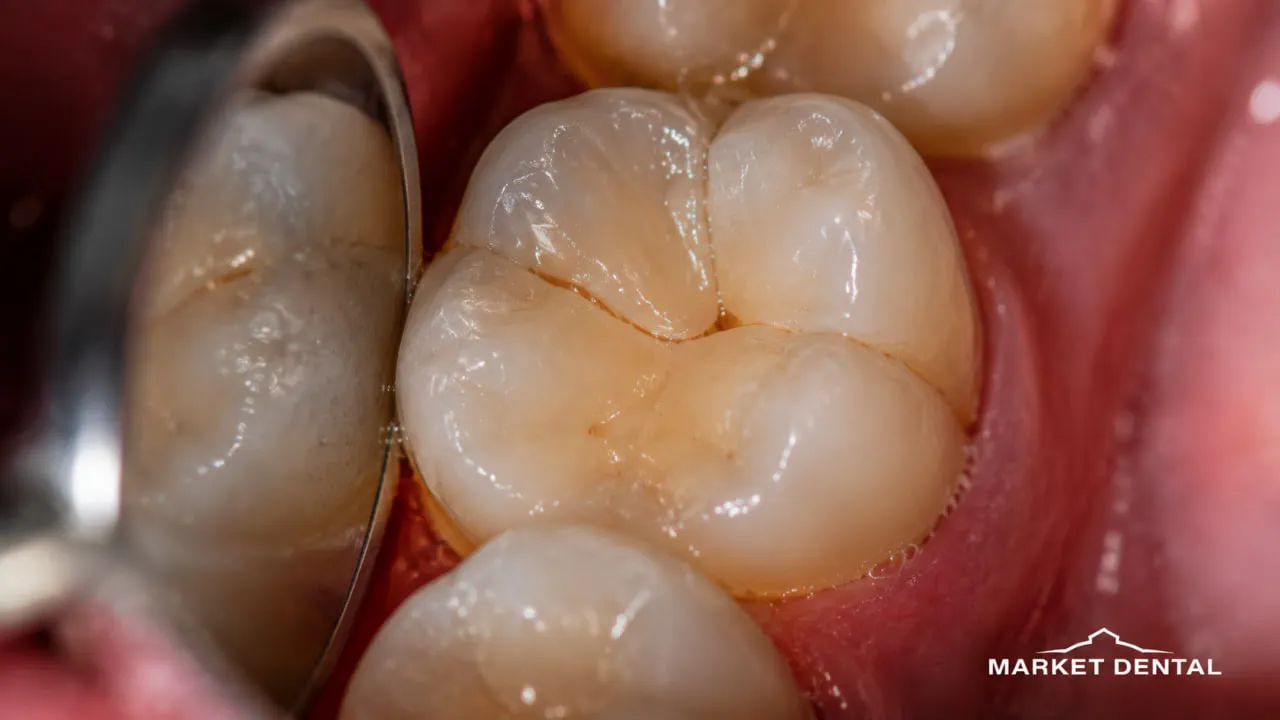
Even a hairline crack can let temperature and bacteria reach the dentin. Some of these cracks are too small to see without magnification.
This kind of sensitivity tends to come and go rather than staying constant. A sharp pain right as you release a bite is a classic sign, and cracks like this usually come from chewing ice, a hard fall, or years of grinding.
Getting it checked early matters. Depending on how deep the crack runs, treatment can be as simple as bonding or as involved as a dental crown.
Worn Fillings
Fillings do not last forever. Years of chewing eventually wear them down or pull them slightly away from the tooth.
Once that seal breaks, hot and cold liquids, along with bacteria, slip underneath and irritate the dentin directly. If a filling you have had for years suddenly feels sensitive, that gap is usually the cause.
Replacing the old filling with restorative dentistry almost always clears up the discomfort right away.
Bruxism
Bruxism is the clinical term for grinding your teeth or clenching your jaw, and most people who do it have no idea, since it usually happens overnight while they are asleep and unaware of it.
The pressure wears the biting surfaces flat and strips away enamel over time, which eventually exposes dentin across the back molars especially. A sore jaw in the morning, dull headaches, and visibly flattened teeth are the usual giveaways, and partners often notice the grinding sound before the patient does.
A custom night guard is the standard fix, protecting the teeth while you sleep and stopping further wear before it gets worse.
Recent Teeth Whitening
Some sensitivity right after whitening is completely normal, whether you used strips at home or had it done professionally.
Whitening gels use hydrogen peroxide to lift stains, and that process briefly opens the enamel's pores, which makes the nerve more reactive to temperature for a short window.
This usually settles on its own within a couple of weeks. A potassium nitrate toothpaste before and after treatment tends to soften the discomfort considerably.
Sensitivity After Fillings or Professional Cleanings
Mild sensitivity after dental work is a normal healing response, not a sign that anything went wrong. Drilling for a filling can briefly irritate the nerve inside the tooth.
A deep cleaning works the same way. Scaling below the gumline removes tartar that had been covering root surfaces, and those roots feel exposed for a while afterward.
This kind of sensitivity fades within a few days to a couple of weeks. If it gets worse instead of better, or chewing becomes painful, call your dentist rather than waiting it out.
Acidic Diet

Beyond contributing to erosion over time, acidic food and drink can also trigger pain immediately in teeth that are already sensitive.
Citrus, tomatoes, vinegar-based dressings, pickles, and carbonated drinks are the usual culprits. Low pH stimulates exposed dentinal tubules almost instantly.
Drinking acidic beverages through a straw keeps them away from your teeth, and rinsing with water afterward helps neutralize the acid before it does more damage.
Early Pulp Inflammation
When the pulp gets irritated by deep decay, a large filling, or an injury, it can develop pulpitis. In its early stage, this is reversible.
The main symptom is a sharp reaction to cold that fades quickly once the trigger is removed. Treat the underlying cause promptly and the pulp usually recovers on its own.
Left untreated, that inflammation can become permanent, and the nerve starts to die. At that point, root canal therapy is usually the only way to save the tooth.
Symptoms That May Indicate a More Serious Problem
A quick twinge from a cold drink is one thing. A few specific symptoms mean something bigger is going on, and they are worth paying attention to rather than brushing off as just another sensitive day.
If the pain shifts from a brief flash to a dull ache that lingers for minutes or longer, the nerve may already be badly damaged. Pain that shows up with no trigger at all points in the same direction.
Swelling, a pimple-like bump on the gums, visible discoloration, or pain that radiates toward your ear or jaw can all signal a developing abscess. None of these should wait for your next scheduled cleaning.
How Dentists Diagnose Tooth Sensitivity

Because sensitivity has so many possible causes, figuring out the right one takes more than guesswork. A dentist works through it systematically rather than assuming the worst or the mildest explanation.
They will ask about your symptoms, diet, stress levels, and any recent dental work, then examine your teeth and gums directly for wear, decay, recession, or a filling that no longer fits well. This part alone rules out several of the more obvious causes before any testing even starts.
Cold testing shows how the nerve responds to a stimulus, while a bite test can reveal a hidden crack if pain spikes the moment you release pressure. X-rays fill in what is happening below the surface, and in more complex cases, a CBCT scan gives a full 3D view of the roots to catch fractures or infections that a standard X-ray might miss.
The Canadian Dental Association outlines similar diagnostic standards for hypersensitivity, which most Toronto clinics, including ours, follow closely.
Treatment Options for Sensitive Teeth
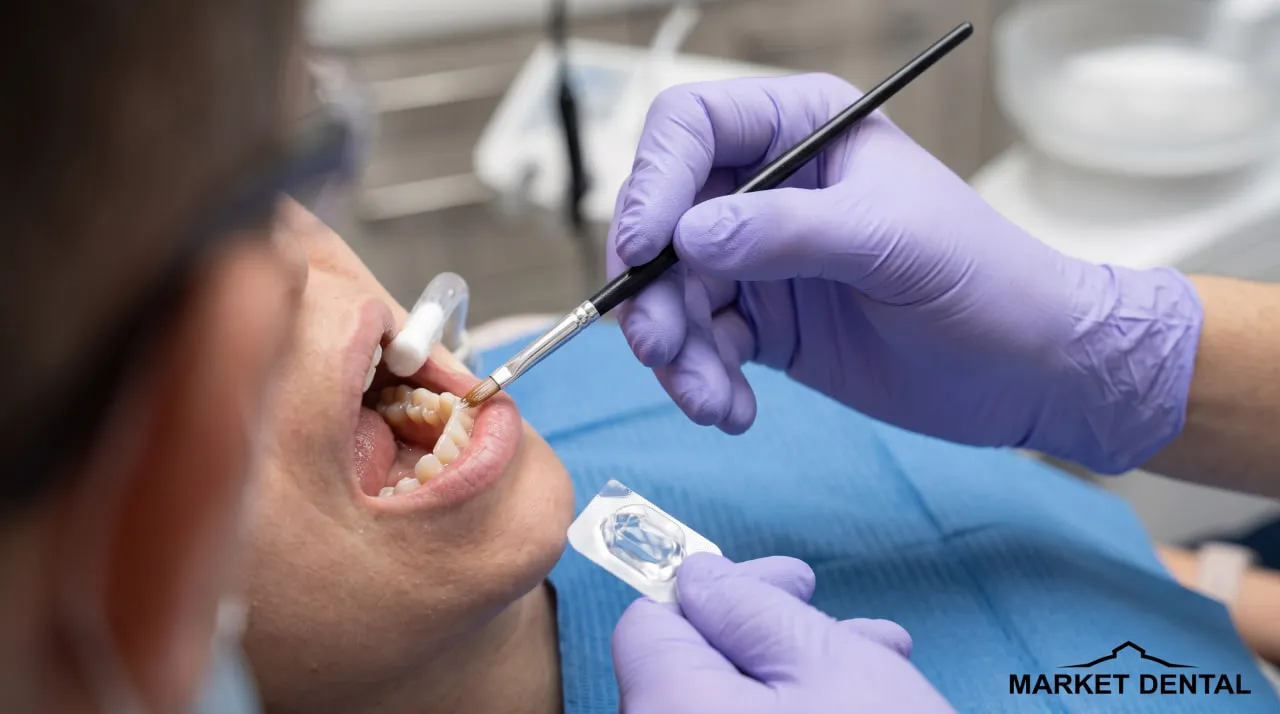
Once your dentist knows what is actually causing the pain, treating your tooth sensitivity usually follows a clear path from simple to more involved, starting with whatever fixes the problem with the least intervention possible.
Dentists almost always start with the least invasive option that makes sense for the diagnosis. Desensitizing toothpaste built around potassium nitrate or stannous fluoride is usually the first line of defense, and the Canadian Dental Association recognizes both ingredients for blocking pain signals and strengthening enamel. In a lot of cases, a mix of professional care and better habits at home solves the problem for good, and many patients notice a real difference within just a few weeks of starting the right combination.
Home Care Tips
Persistent pain always deserves a proper diagnosis, but a few habits can genuinely ease mild sensitivity in the meantime.
Switch to a soft-bristled brush if you have not already. Hard bristles scrub away enamel and irritate gum tissue, so gentle circular motions work better than scrubbing back and forth.
A warm saltwater rinse can calm inflamed gums when things feel especially raw. Half a teaspoon of salt in warm water, swished for about thirty seconds, is enough.
Dabbing a small amount of clove oil on the gumline gives some people temporary relief, since it has mild numbing properties. That said, none of these tricks fix the underlying cause, so they should never replace an actual dental visit if the sensitivity keeps coming back week after week.
When Should You See a Dentist?
Occasional sensitivity to something very cold is normal for a lot of adults. It becomes a problem the moment it starts interfering with how you eat or live.
Book an exam if sensitivity has lasted more than a couple of weeks despite a desensitizing toothpaste, or if it is limited to one tooth rather than spread across several, since that usually points to something structural.
Severe throbbing that comes out of nowhere, facial swelling, fever, or pus near the gums are signs of active infection and need urgent care, not a wait-and-see approach. If any of those apply to you, book a dental examination as soon as possible rather than pushing through it.
It is easy to put this off. One patient we treated had been switching to lukewarm coffee and chewing only on one side of her mouth for almost two months before finally coming in, assuming it would just pass on its own. It turned out to be a cracked molar that needed a crown, something a five-minute exam would have caught months earlier. Waiting rarely makes the underlying problem smaller.
Can Tooth Sensitivity Be Prevented?
Preventing sensitivity is almost always cheaper and easier than treating it once it sets in.
- Brush gently. Aggressive scrubbing wears down enamel and pushes gums back over time.
- Use fluoride toothpaste daily. It continually remineralizes enamel and helps it resist acid.
- Keep up with routine dental checkups. Cleanings remove tartar, and exams catch small problems early.
- Ask about a mouthguard if you grind your teeth. It is the most effective way to stop bruxism-related wear.
- Go easy on acidic foods and drinks. Use a straw when you do have them, and rinse with water afterward.
Staying consistent with these habits does more for your enamel than any single product ever could, and most patients who follow them notice fewer flare-ups within just a month or two.
Why Choose Market Dental Centre?
Dealing with sensitive teeth is frustrating, and you deserve a dental team that takes it seriously instead of brushing it off as minor.
At Market Dental Centre, we use digital diagnostics to pinpoint exactly what is driving your discomfort rather than guessing. Every patient gets a treatment plan built around their actual symptoms, imaging, and budget, not a generic checklist handed to everyone who walks through the door.
Whether the fix turns out to be a simple toothpaste swap or something more involved like a filling or gum treatment, our team walks you through the reasoning at every step. Contact Market Dental Centre when you are ready to stop avoiding your favorite foods and get a real answer.
Key Takeaways
- Tooth sensitivity happens when worn enamel or receding gums expose the dentin underneath, letting temperature and acid reach the nerve.
- Common triggers include hot and cold foods, sweets, acidic drinks, and even the pressure from brushing too hard.
- Brief twinges are normal, but lingering pain, spontaneous aches, or swelling need a professional look.
- Treatment ranges from desensitizing toothpaste all the way to root canal therapy, depending entirely on the cause.
- Most cases of tooth sensitivity do not require a root canal. That is usually reserved for advanced nerve damage.
- Prevention comes down to a soft brush, fluoride toothpaste, a lighter hand on acidic foods, and regular checkups.
Book Your Tooth Sensitivity Evaluation
You do not have to keep avoiding hot coffee or cold drinks. A short exam can tell you exactly why your teeth are reacting and what will actually fix it.
- Call us today
- Visit our clinic: 149 Lower Jarvis St, Toronto, ON

.webp)


