









Ignoring sudden or persistent tooth pain is never a good idea. Knowing the Signs You Need a Root Canal can help you protect your smile. Modern endodontic treatment is highly effective and relatively comfortable, focusing on relief while preserving your natural tooth whenever clinically appropriate. In this guide, we cover the warning signs of an infected tooth, how treatment works, and why prompt assessment matters.
What Is a Root Canal?

Your tooth is protected by hard outer layers of enamel and dentin. Beneath them is the dental pulp, a soft inner core containing nerves, blood vessels, and connective tissue.
Deep decay, repeated dental procedures, or a crack can allow bacteria to reach the pulp. Mild, reversible inflammation may improve when the cause is treated. However, an infected or irreversibly inflamed pulp usually cannot recover without professional care.
The correct treatment is determined after a clinical examination and appropriate imaging:
- Dental Fillings: Dental fillings are used when decay has damaged the hard tooth structure but has not reached the pulp.
- Root Canal Treatment: Root canal therapy is used when the pulp is irreversibly inflamed or infected but the tooth can still be predictably restored.
- Tooth Extraction: Removing the tooth may be considered when it cannot be predictably restored, has a poor prognosis, or has severe structural damage.
Preserving the natural tooth is generally preferred when it is restorable and treatment is clinically appropriate. The Canadian Dental Association’s guidance on root canal treatment describes endodontic therapy as a safe and effective way to treat teeth with inflamed or infected pulp.
Signs You Need a Root Canal: 10 Warning Symptoms
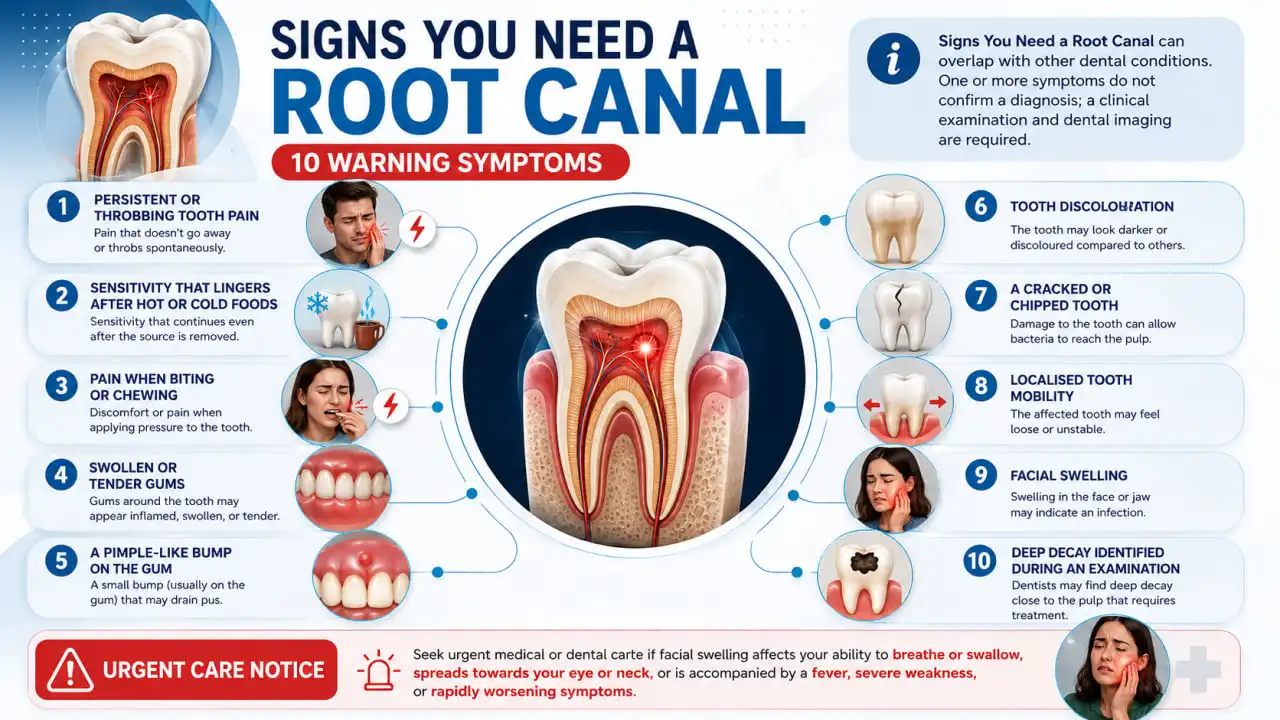
Before reviewing the details, this quick list highlights common root canal warning signs:
- Persistent or throbbing tooth pain
- Sensitivity that lingers after hot or cold foods
- Pain when biting or chewing
- Swollen or tender gums
- A pimple-like bump on the gum
- Tooth discolouration
- A cracked or chipped tooth
- Localised tooth mobility
- Facial swelling
- Deep decay identified during an examination
Signs You Need a Root Canal can overlap with other dental conditions. One or more symptoms do not confirm a diagnosis; a clinical examination and dental imaging are required.
URGENT CARE NOTICE: Seek urgent medical or dental care if facial swelling affects your ability to breathe or swallow, spreads towards your eye or neck, or is accompanied by a fever, severe weakness, or rapidly worsening symptoms.
Persistent Tooth Pain
Persistent tooth pain is often the first indicator that a tooth requires professional attention. This type of pain is typically a constant, throbbing sensation that does not subside easily. For example, persistent throbbing pain may wake someone during the night or make it difficult to concentrate during the day. The discomfort may remain localised to one tooth, or it may radiate into the jaw, face, or surrounding teeth.
It is important to note that tooth pain is not unique to root canal problems. Similar pain can be caused by severe gum disease, sinus pressure, teeth grinding, or decay that has not yet reached the pulp. However, if the pain is severe, spontaneous, and does not improve with standard pain relief medication, it is a strong indicator of nerve inflammation that requires a dentist's evaluation.
Lingering Sensitivity to Hot or Cold

Feeling a brief flash of sensitivity when eating cold ice cream or drinking hot tea is quite common. If the sensation fades within a second or two, it may simply be temporary sensitivity. However, lingering sensitivity is a completely different symptom. If you consume something hot or cold and the pain lasts for several seconds or even minutes after the source is removed, the tooth nerve is likely struggling.
This reaction can occur when the nerves and blood vessels inside the pulp are inflamed. Mild sensitivity may relate to reversible inflammation or receding gums, while prolonged pain may suggest irreversible pulp inflammation. Depending on the tooth’s condition and restorability, treatment may involve root canal therapy or extraction.
Pain When Chewing or Biting
Sharp pain that occurs specifically when you bite down or apply pressure to a tooth is a classic symptom of an underlying problem. When the pulp inside your tooth is severely inflamed or begins to fail, it can irritate the periodontal ligament, which is the tissue connecting the tooth root to the surrounding jawbone. When this ligament becomes inflamed, pressure from chewing can cause sharp, localised pain.
Pain when biting can also be a sign of bite problems, a recent high filling, or a cracked tooth. If you find yourself chewing exclusively on one side of your mouth to avoid discomfort, you should have the tooth examined to identify the exact cause.
Swollen or Tender Gums
Healthy gums should appear firm and pink. If you notice that the gums surrounding a single tooth are swollen, red, or highly tender, a localised infection might be the cause. This swelling is your immune system reacting to bacteria or inflammation originating from the tip of the tooth root.
Gum swelling can also be a sign of gingivitis or advanced gum disease, known as periodontitis, which affects the tissues supporting the teeth rather than the inner nerve. However, swelling isolated to the root area of one specific tooth often requires an X-ray to check for an endodontic infection.
Gum Pimple (Dental Abscess)
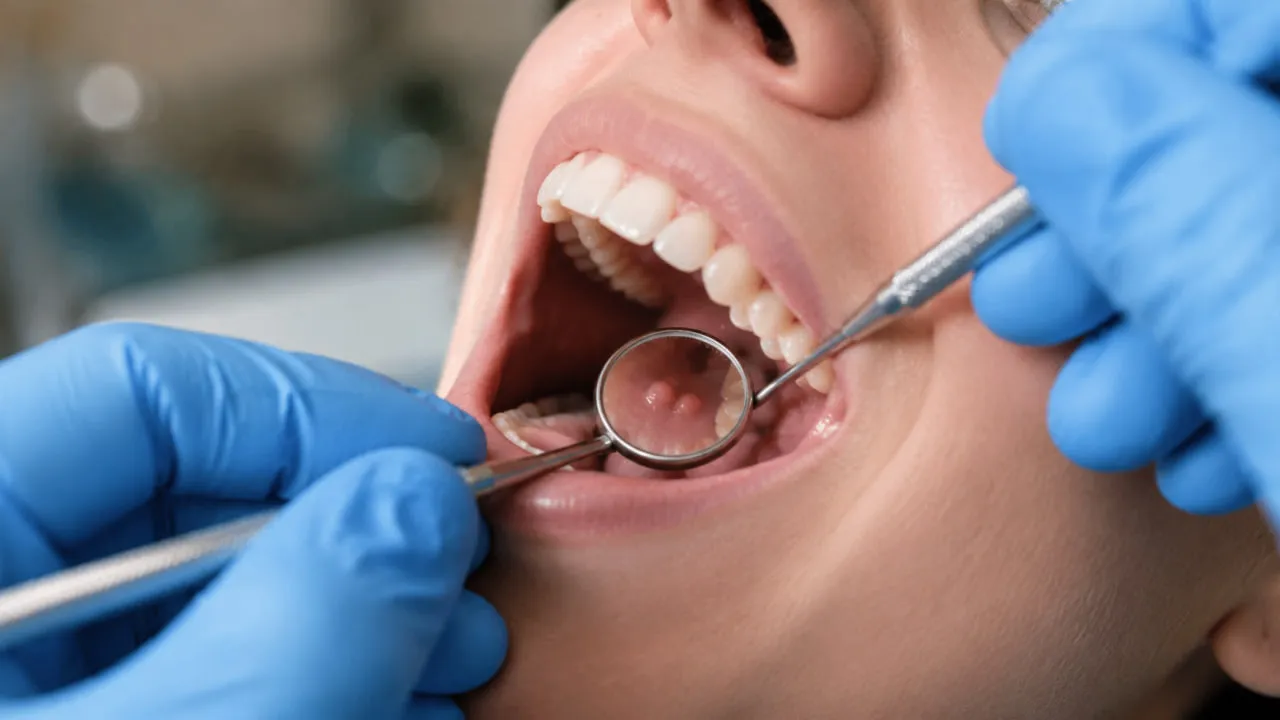
A small, pimple-like bump on your gums is a significant warning sign. Clinically known as a sinus tract or parulis, this bump is not the abscess itself. Instead, it is a drainage channel for an infection around the tooth root. It acts as a vent, allowing trapped fluids and bacteria to escape from the jawbone into the mouth.
You might notice a foul taste or chronic bad breath when this bump occasionally drains. While drainage can temporarily relieve pressure and reduce pain, the infection remains active. A dental abscess requires prompt dental assessment. It becomes a medical emergency if symptoms include difficulty breathing or swallowing, fever, spreading swelling, or significant systemic illness.
Tooth Discolouration
If a single tooth begins to turn dark yellow, grey, or black, it is a strong indication that the internal tissue has been damaged. This type of discolouration happens from the inside out. When the nerve and blood vessels inside the pulp die, which is referred to as necrotic tissue, the breakdown of red blood cells can release pigments that stain the internal dentin layer of the tooth.
This symptom is easiest to spot on front teeth. Tooth discolouration can also be caused by certain foods, drinks, or medications, but a single tooth turning grey following dental trauma usually signals that the nerve has lost its blood supply.
Cracked or Chipped Tooth
A cracked or severely chipped tooth can provide a pathway for oral bacteria to enter the sterile pulp chamber. If you chew on hard objects, grind your teeth at night, or sustain a blow to the face, your enamel can fracture. Once the outer enamel and dentin are compromised, the inner nerve becomes highly vulnerable to inflammation.
Sometimes a tooth can sustain an injury without visibly breaking on the outside. Even so, the force of the impact can traumatise the nerve. If you have recently experienced dental trauma, a dentist should monitor the tooth for signs of nerve distress, as untreated cracks can progress.
Loose Tooth
Adult teeth should feel firmly anchored in the jaw. If a tooth suddenly feels loose or shifts when you gently press it, you could be dealing with an advanced endodontic infection. Inflammation caused by an infection around the root tip can gradually lead to the loss of supporting bone, making the tooth feel mobile.
While generalised gum disease is the most common cause of loose teeth overall, localised mobility in one tooth, especially when accompanied by pain, can indicate an endodontic issue.
Facial Swelling
Facial swelling is a concerning symptom that may indicate an infection has spread beyond the immediate area of the tooth root. If you develop a swollen cheek or jawline, or swelling that spreads towards your eye or neck, you must seek prompt professional care.
This level of swelling requires careful assessment. Treatment usually focuses on removing the source of the infection through root canal treatment, drainage, or extraction. Antibiotics may be prescribed if there are signs of spreading infection or systemic involvement. They are used as an additional treatment rather than a substitute for addressing the source.
Deep Decay Near the Nerve
Not all failing teeth cause pain. In some cases, a patient may have no symptoms, but their dentist will spot deep decay during a routine examination or on a digital X-ray.
If a cavity is left untreated, it will slowly advance through the enamel and dentin. Once decay reaches the pulp chamber, the pulp may become inflamed or infected. Treating deep decay when it is discovered can help prevent the painful symptoms that may develop once acute inflammation begins.
What Happens If You Ignore the Signs?
Ignoring the signs of a tooth infection will not make the problem disappear. The tissues inside the dental pulp do not have the ability to heal themselves once they are irreversibly inflamed or infected.
If you delay treatment, severe pain may eventually stop. Many people mistake this for recovery, but it can mean the nerve tissue has become necrotic, or dead, and can no longer transmit pain signals. The bacteria, however, may remain active inside the tooth.
Over time, an untreated infection can spread beyond the root tip. The resulting inflammation can gradually lead to the loss of supporting bone in the jaw. Catching the problem early may simplify treatment and help prevent the need for a more complex procedure or complete tooth extraction.
Root Canal vs. Tooth Extraction
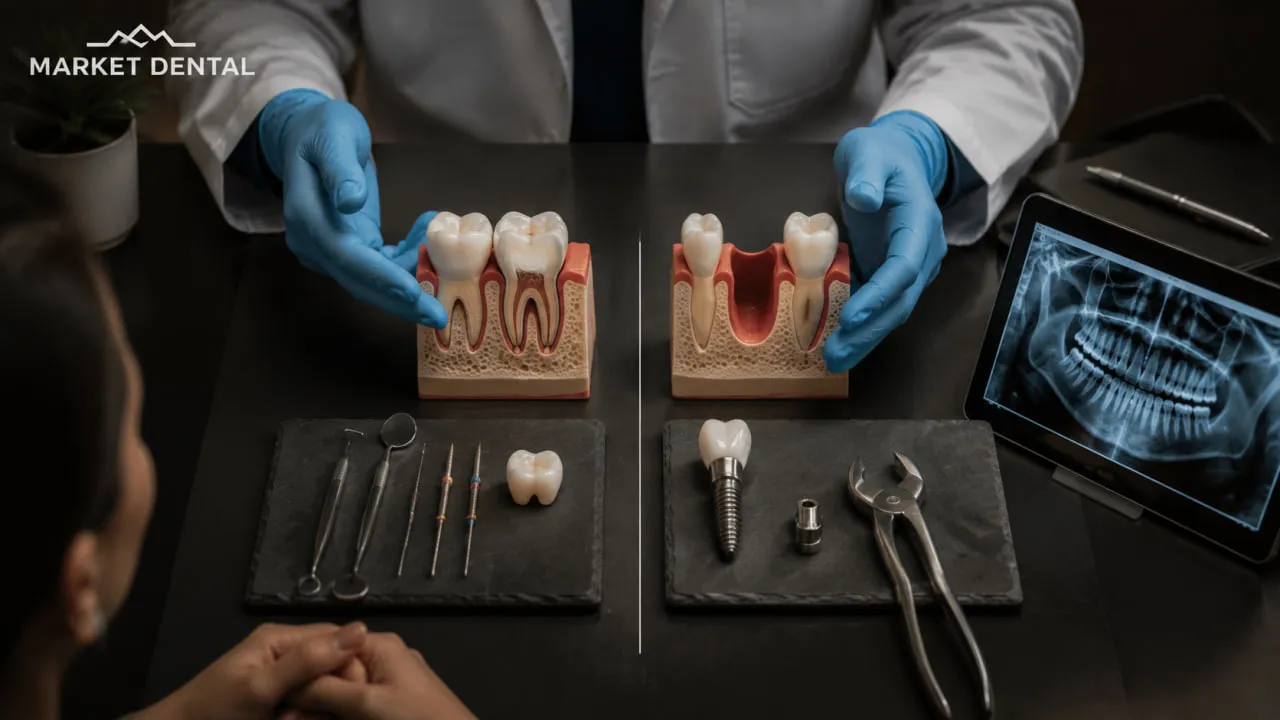
When a tooth is severely damaged, patients and dentists must discuss whether to preserve it with endodontic therapy or remove it entirely. Here is a comparison of both approaches:
How Dentists Diagnose the Need for a Root Canal

Recognising the Signs You Need a Root Canal is only the first step. Dentists combine symptoms, examination findings, and imaging to identify the affected tooth and assess the pulp. No single test confirms the diagnosis on its own. The assessment may include:
- Clinical Examination: The dentist visually inspects the tooth for signs of decay, swelling, cracks, and gum problems.
- Cold Testing: A specialised cold spray is applied to the tooth. A healthy tooth will feel the cold and recover quickly. An irreversibly inflamed pulp may produce a lingering, painful reaction, while a necrotic pulp may not respond to cold testing.
- Percussion Testing: The dentist gently taps on the teeth using the handle of a dental mirror. This helps identify inflammation in the periodontal ligament surrounding the root.
- Bite Testing: The patient may be asked to bite on a small diagnostic instrument, such as a bite stick or cotton roll. This helps identify pressure-related pain that may be associated with inflammation around the root or a hidden crack.
- Digital Radiographs: Digital X-rays are used to look for deep decay. Dark areas near the root tip may suggest bone changes associated with inflammation or infection.
- CBCT Imaging: When clinically indicated, the dentist may order a Cone Beam Computed Tomography scan to visualise complex root canal systems in greater detail.
If you recognise any of the symptoms discussed above, contact Market Dental Centre for a professional assessment.
What Happens During Root Canal Treatment?

Modern endodontic therapy uses precise techniques to clean and seal the tooth while keeping the patient comfortable:
- Diagnosis and Preparation: After making a diagnosis, the dentist administers local anaesthesia to numb the tooth and surrounding tissues.
- Isolation: A small protective sheet called a dental dam is placed over the tooth. This keeps the area dry and prevents bacteria from saliva from entering the open canals.
- Cleaning and Shaping: The dentist creates a small access opening in the tooth. Precision instruments are used to remove diseased pulp, nerve tissue, and bacteria while shaping the canals.
- Disinfection: The canals are flushed with an antimicrobial solution to reduce bacteria inside the tooth.
- Obturation: Once the canals are clean and shaped, they are filled and sealed with a biocompatible material, often a rubber-like substance called gutta-percha.
- Temporary Restoration: A temporary or permanent filling is placed in the access opening to seal the top of the tooth.
- Final Restoration: Some treated teeth require a dental crown, especially back teeth or teeth with substantial structural loss. The recommendation depends on the tooth’s location, remaining structure, cracks, existing restorations, and the dentist’s clinical assessment.
Does a Root Canal Hurt?
A common concern among patients is whether the procedure will hurt. In reality, treatment is designed to relieve pain caused by an infected or inflamed tooth. With modern anaesthetics and dental techniques, root canal treatment is typically comfortable and is often compared with receiving a routine filling.
The pain people associate with root canals usually comes from the inflammation and infection present before the appointment. Removing the affected tissue addresses the source of that discomfort.
Recovery After Root Canal Treatment
Your mouth will remain numb for a few hours after you leave the clinic. Avoid eating solid foods until the anaesthesia has completely worn off so you do not accidentally bite your lip, cheek, or tongue.
For the first few days, it is normal to experience mild soreness or tenderness, especially when biting. This is an expected inflammatory response as the tissues around the root tip heal. Over-the-counter pain relief medication is usually effective for managing mild discomfort.
It is important to distinguish normal healing from possible complications. Mild soreness may be expected, but visible swelling, worsening pain, fever, or the return of pre-treatment symptoms are not normal. Contact your dentist if these symptoms occur. The American Association of Endodontists’ post-treatment guidance also advises patients to report visible swelling or persistent severe pain.
How to Reduce the Risk of Needing a Root Canal
The best way to manage endodontic problems is to prevent them. Good oral hygiene helps protect your enamel and inner tooth tissues.
- Regular Dental Examinations: Attend dental examinations at the interval recommended by your dentist. Six-month visits are common, but some patients may need more or less frequent care. Regular visits allow decay to be treated before it reaches the pulp.
- Good Oral Hygiene: Brush at least twice a day with fluoride toothpaste and floss daily to remove plaque.
- Mouthguards: Wear a custom-fitted mouthguard during contact sports. If you grind your teeth at night, a nightguard can help prevent enamel wear and cracks.
- Timely Treatment: Do not delay treatment for cavities or cracked teeth. Early care helps prevent bacteria from spreading deeper into the tooth.
Why Choose Market Dental Centre?
When you are experiencing dental discomfort, you need a clinical team that prioritises your health and peace of mind. Endodontic care requires precision, clear communication, and modern equipment.
At the Market Dental Centre, we use digital diagnostics to evaluate teeth accurately. We take time to explain your condition, discuss your options, and ensure you feel well-informed before treatment begins. Our modern techniques are intended to make preserving natural teeth as comfortable and efficient as possible.
For personalised care and comprehensive emergency dental care or root canal services, our experienced dentists are ready to assist you. Book an evaluation with our team to address your discomfort and protect your smile.
Key Takeaways
- Recognise the Signs: Understanding the Signs You Need a Root Canal, including lingering sensitivity and persistent pain, can help you seek care before problems become more complex.
- Do Not Self-Diagnose: Root canal symptoms can overlap with gum disease, cracks, sinus pressure, and other conditions. A professional examination and X-rays are required.
- Preserve Your Tooth: Endodontic therapy aims to save your natural tooth, which is generally preferred over extraction when clinically appropriate.
- Modern Treatment Is Comfortable: Current techniques and effective local anaesthetics make treatment manageable and focus on relieving existing pain.
- Follow-Up Care Is Important: A treated tooth may require a crown depending on its location, remaining structure, cracks, and existing restorations.
. If you are experiencing persistent dental discomfort, book an appointment with a dentist for an evaluation.

.webp)


