










Searching for an Emergency Dentist Toronto residents can reach today usually means the pain has already taken over. One moment you're eating dinner, and the next you're gripping the table, trying to decide whether this can wait until Monday morning. That uncertainty is exactly what this article is here to resolve.
Market Dental Centre offers same-day emergency appointments for urgent situations across Toronto. If you're in pain and fairly certain something is wrong, the fastest path forward is a call to the clinic. If you want to understand your situation first, keep reading.
Quick Answer: What Is a Dental Emergency?
A dental emergency is any urgent condition involving severe tooth pain, uncontrolled bleeding, rapidly spreading infection, facial swelling, or a knocked-out permanent tooth. If you are experiencing throbbing pain that keeps you awake, swelling near your jaw or neck, or a tooth that has been displaced from trauma, you need an emergency dental appointment immediately to prevent permanent damage or serious health complications.
What Is Considered a Dental Emergency?
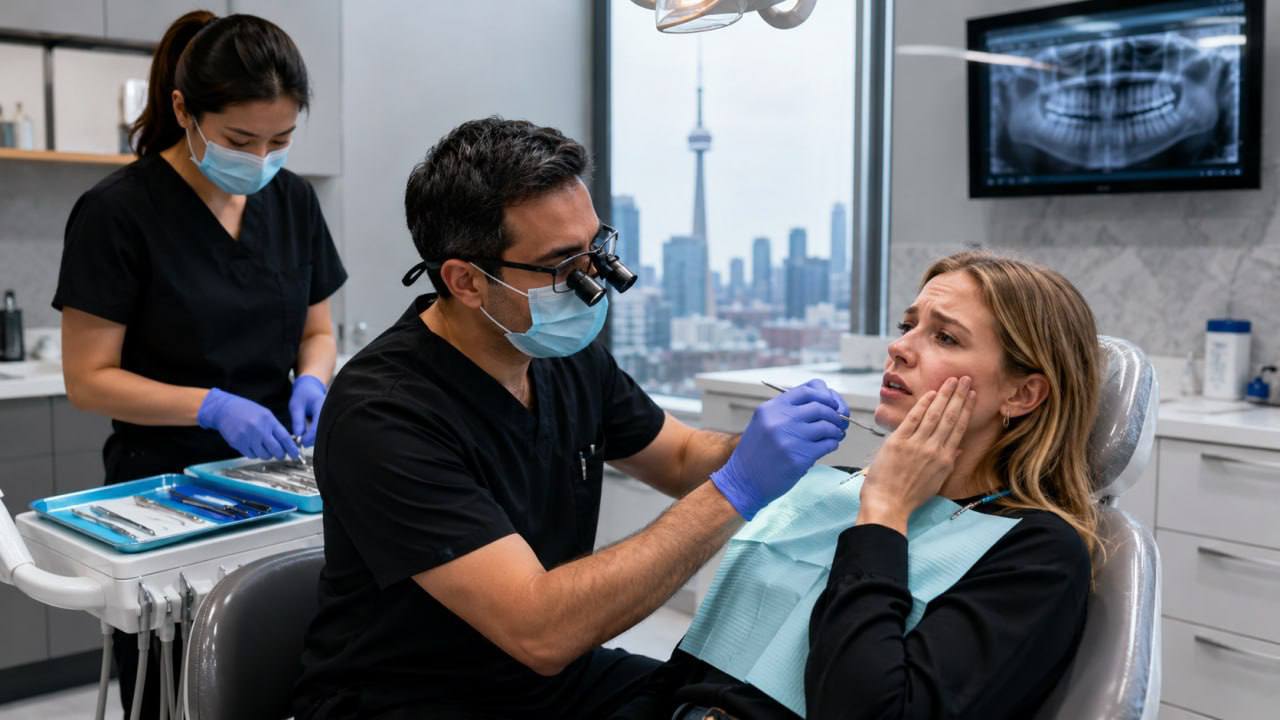
A dental emergency is any situation involving the mouth, teeth, or jaw that requires prompt professional attention to relieve severe pain, control bleeding, prevent infection from spreading, or save a tooth that might otherwise be lost. Because oral infections can quickly impact your overall health, seeking urgent dental care early is critical.
The definition matters because not every uncomfortable dental situation falls into that category. A mild ache, a slightly chipped edge, or a crown that feels slightly loose but isn't causing pain usually gives you a short window to schedule a regular appointment. A knocked-out tooth, a spreading abscess, or uncontrolled bleeding does not.
A useful rule of thumb: if you're asking yourself whether it's serious enough to call a dentist today, it probably is. Most people underestimate dental problems rather than overestimate them. Attempting to "tough it out" when the inner pulp of a tooth is infected usually only leads to more complex, invasive, and expensive treatments down the road.
Signs You Should See an Emergency Dentist Immediately
Certain symptoms should always prompt a same-day call to an emergency dental clinic , regardless of the time or how busy your day is. If you notice any of the following, do not delay treatment:
- Severe, throbbing tooth pain that doesn't respond to over-the-counter pain relief: This is often a sign of deep nerve inflammation or infection.
- Swelling of the face, jaw, or neck: Oral infections can move into surrounding tissues rapidly.
- Uncontrolled bleeding from the mouth that won't slow down with direct pressure: Heavy bleeding after an extraction or from soft tissue trauma needs immediate attention.
- Fever combined with oral pain or swelling: This suggests the infection has moved beyond the tooth and requires prompt intervention.
- A knocked-out permanent tooth: The cells on the root surface begin to die within minutes, so time is a critical factor in successful re-implantation.
- A tooth that has been pushed out of position or is visibly loose: Also known as an extruded or luxated tooth, this requires professional splinting.
- Exposed nerve tissue causing extreme sensitivity to temperature or air: Often the result of a severe fracture that has split the tooth down to its core.
- Facial trauma involving the teeth or jaw after an accident or impact: Prompt assessment is necessary to rule out root fractures or jawbone injuries.
Any of these situations calls for urgent dental care, not a wait-and-see approach.
Common Dental Emergencies
Severe Toothache
Tooth pain exists on a spectrum. Mild sensitivity after eating something cold is one thing. A constant, throbbing ache that keeps you awake at night is something else entirely.
Severe tooth pain is most often caused by deep decay reaching the nerve (pulpitis), a cracked tooth, or an abscess. None of these resolve on their own. Ibuprofen or acetaminophen can reduce the discomfort temporarily, but the underlying cause requires professional diagnosis and treatment from an Emergency Dentist Toronto patients can trust.
What to do: Take over-the-counter pain relief as directed, avoid very hot or cold foods, and contact a dental clinic as soon as possible. Don't apply aspirin directly to the gum tissue, as it can cause chemical burns that severely damage the soft tissues in your mouth.
Knocked-Out Tooth

A knocked-out (avulsed) permanent tooth is one of the most time-sensitive dental emergencies that exists. According to guidelines from the Canadian Dental Association (CDA) and the American Dental Association (ADA), re-implantation is possible if you act within 30 to 60 minutes.
What to do immediately:
- Pick up the tooth by the crown (the white part), never the root. Touching the root damages the delicate periodontal ligament cells needed for reattachment.
- If dirty, gently rinse it with clean water. Do not scrub it or wrap it in a tissue.
- Try to place it back in the socket if you can do so without forcing it. Bite down gently on a clean cloth to hold it in place.
- If re-insertion isn't possible, keep the tooth moist in milk, saline solution, or between your cheek and gum.
- Get to a walk-in dental clinic or an emergency dental provider within an hour.
After an hour, the chances of successful re-implantation drop significantly. This is one situation where minutes genuinely matter.
Broken Tooth
A broken tooth usually results from trauma, biting down on something hard, or a tooth that was already weakened by decay or an old filling. Pain level varies depending on how much of the tooth has broken and whether the nerve is exposed. An enamel fracture might barely hurt, while a break that exposes the yellow dentin or the pulp will cause sharp, intense pain when exposed to air.
What to do: Rinse your mouth with warm water. If there's any bleeding, apply gentle pressure with clean gauze. Save any tooth fragments you can find. Avoid chewing on that side and contact a dentist promptly.
Treatment depends on the extent of the break. A crack limited to the enamel may need only bonding or a crown. A fracture that reaches the nerve will likely require a root canal first to remove the damaged tissue before the tooth can be restored.
Chipped Tooth
A minor chip that doesn't cause pain and doesn't leave a sharp edge irritating the tongue or cheek can often wait a few days for a regular appointment. A significant chip with pain, sensitivity, or a jagged edge causing soft tissue damage needs sooner attention to prevent cuts on your inner cheek or tongue.
What to do: Save any broken pieces if possible. Rinse your mouth gently. Cover any sharp edge with dental wax or sugarless gum as a temporary option to protect the tongue and cheek until you're seen. Cosmetic chips on front teeth can usually be beautifully restored with composite bonding.
Lost Filling
A lost filling exposes the inner layer of the tooth (dentin), which is softer and more vulnerable than enamel. Cold air, temperature changes, and pressure can cause sharp sensitivity. The cavity left behind can also trap bacteria and food particles, accelerating new decay if left open for too long.
What to do: Avoid chewing on that side. Temporary filling material available at most pharmacies can protect the tooth until a proper appointment. Call the clinic within a day or two, as this situation is uncomfortable but not usually a same-day emergency unless pain is severe.
Lost Crown
When a crown falls off, the prepared tooth underneath is exposed. That tooth is often sensitive and much more fragile than an intact tooth, meaning it can easily chip or break if you chew on it. In some cases, you can temporarily re-seat the crown using dental adhesive or a small amount of toothpaste as a placeholder.
What to do: Keep the crown safe in a small container. Do not use regular household glue, as it is toxic and can ruin the tooth. Call your dental clinic for guidance and book the earliest available appointment. If pain is significant, treat it as urgent.
Dental Abscess
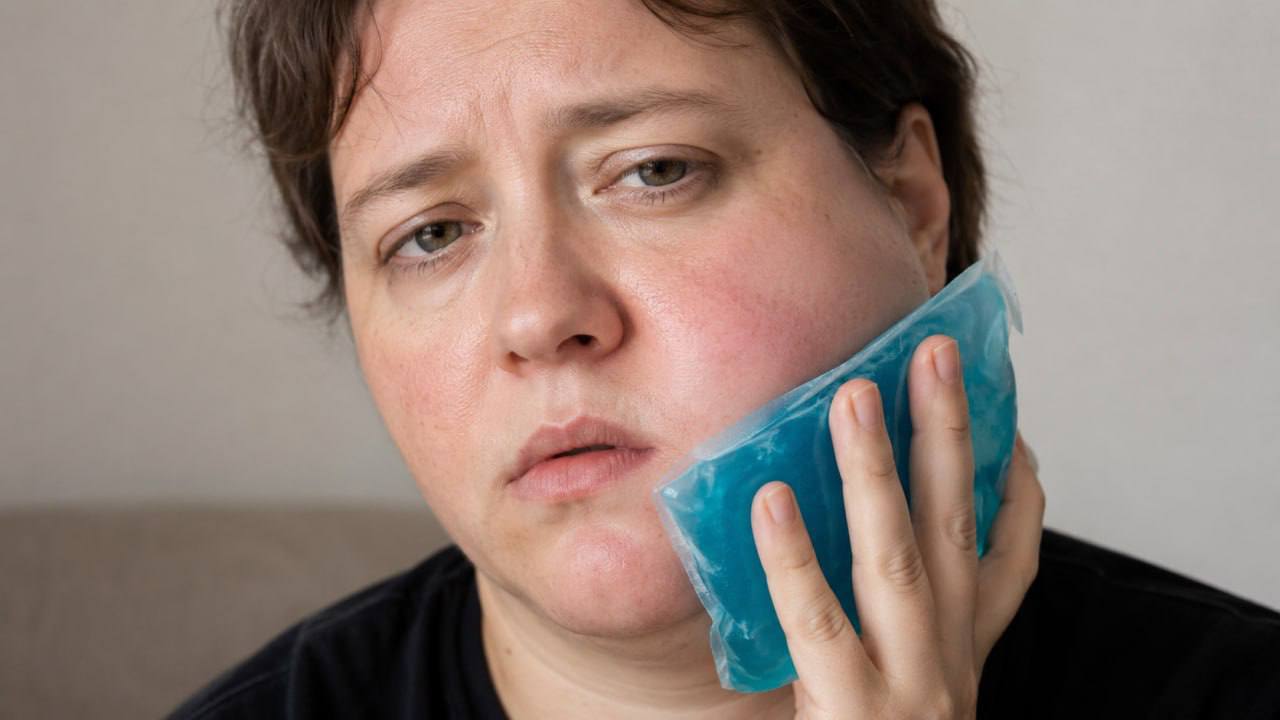
A dental abscess is a pocket of infection at the root of a tooth or in the surrounding gum tissue. It's one of the most genuinely dangerous dental emergencies because the infection can spread beyond the mouth into the jaw, neck, or, in rare but documented cases, the bloodstream.
Symptoms include a persistent throbbing pain, swelling in the face or jaw, a fever, difficulty swallowing or opening the mouth fully, and sometimes a pimple-like bump on the gum that may drain a foul-tasting fluid.
What to do: Contact an emergency dental clinic immediately. If you have a high fever and difficulty swallowing or breathing, go directly to a hospital emergency department. Antibiotics can help control the spread of infection, but they do not eliminate the source. Definitive dental treatment, such as a root canal or tooth extraction, is required to drain the infection permanently.
Need Immediate Relief?
If you are experiencing throbbing tooth pain, facial swelling, or a suspected dental abscess, do not wait for the infection to spread. Contact Market Dental Centre immediately to request a same-day emergency dental appointment. Our team is ready to get you out of pain today.
More Situations That Need Attention
Facial Swelling
Facial swelling is a serious red flag in dentistry. It can indicate a spreading infection, an allergic reaction, or trauma. Swelling that grows quickly, affects the neck or throat, or makes breathing or swallowing difficult is a medical emergency. Call 911 or go to the nearest emergency room immediately.
Localized swelling limited to the gum around one specific tooth still requires same-day dental attention; it just doesn't require the ER. Your dentist will take an X-ray to locate the source of the infection and outline a treatment plan.
Bleeding After Injury
Some bleeding after a dental procedure like an extraction is expected and normal, usually subsiding as a healthy blood clot forms. Bleeding that continues longer than expected or starts after a facial injury needs assessment.
What to do: Apply firm pressure with clean gauze for 15 to 20 minutes without lifting to check on it. If it doesn't slow down, contact your dentist or seek emergency care. Avoid rinsing forcefully, as this can dislodge the forming clot and prolong the bleeding.
Broken Denture
A broken denture isn't usually a health emergency, but it can make eating and speaking difficult and can cause sore spots if sharp edges contact soft tissue.
What to do: Don't try to glue a broken denture yourself; over-the-counter glues contain harsh chemicals, the bond won't be strong enough, and it often alters the delicate fit of the appliance. Contact a dental clinic for repair or a replacement assessment.
Orthodontic Emergencies
Broken brackets, poking wires, or dislodged aligners are uncomfortable but rarely dangerous.
What to do: Use orthodontic wax to cover any sharp wire ends causing irritation. A wire that has shifted and is poking the cheek can sometimes be carefully bent back with a clean pencil eraser. Call your orthodontist or general dentist for advice on next steps.
Can You Get a Same-Day Emergency Dental Appointment?
When you are in agonizing pain, waiting days to see a dentist is simply not an option. Fortunately, an Emergency Dentist Toronto patients rely on can typically fit you in for a same-day appointment if you act quickly. Most well-equipped clinics, including Market Dental Centre, reserve specific blocks of time in their daily schedule strictly for urgent cases.
Why calling ahead helps: Even if you are looking for a walk-in clinic, calling ahead is always the best strategy. It allows the triage team to prepare a treatment room, pull your medical records, and advise you on immediate first-aid steps while you travel to the office.
Same-day treatment: The primary goal of a same-day visit is to get you out of pain and stabilize the tooth. Depending on the complexity of the issue, the dentist may perform the complete procedure (like an extraction) on the spot, or they may provide pain relief, prescribe antibiotics, and schedule you back for a definitive restoration later in the week.
When Should You Call 911 Instead of an Emergency Dentist?
While most toothaches and broken teeth should be handled by a dentist, there are moments when a dental problem becomes a life-threatening medical emergency. You should call 911 or go to the nearest hospital emergency room immediately if you experience:
- Difficulty breathing: Swelling from a severe lower jaw infection can quickly compromise your airway.
- Difficulty swallowing: This indicates the infection is spreading deep into the tissues of the neck.
- Severe facial trauma: If you suspect a broken jaw, a concussion, or severe head trauma alongside your dental injury, the hospital must evaluate you first.
- Uncontrolled bleeding: Heavy oral bleeding that will not stop with 20 minutes of firm gauze pressure.
- Rapidly spreading infection: Swelling that is visibly traveling toward your eye or down your neck, especially with a high fever and chills.
These symptoms mean the infection or trauma has moved beyond the scope of a standard dental chair and requires an emergency medical team.
Dental Problems That Can Usually Wait
Not every dental issue demands same-day treatment. These situations are worth monitoring and booking for a near-term appointment, but they don't typically require urgent emergency care:
- A small chip that isn't causing pain or irritation
- Mild tooth sensitivity to sweets or cold that comes and goes
- A slightly loose crown that isn't causing pain
- A broken wire on braces that isn't poking soft tissue
- A lost filling with only mild sensitivity and no significant pain
- Dull, occasional achiness that responds to over-the-counter pain relief
- A lost temporary crown (though it should be replaced within a few days)
- Sudden staining or cosmetic concerns
The key distinction is whether the problem is worsening, spreading, or causing significant pain. When in doubt, a quick phone call to a dental clinic helps you assess next steps without committing to a visit.
What To Do Before Seeing an Emergency Dentist
This first-aid table covers the most common emergency situations and gives you clear actions to take while you arrange to be seen.
What Happens During an Emergency Dental Visit?
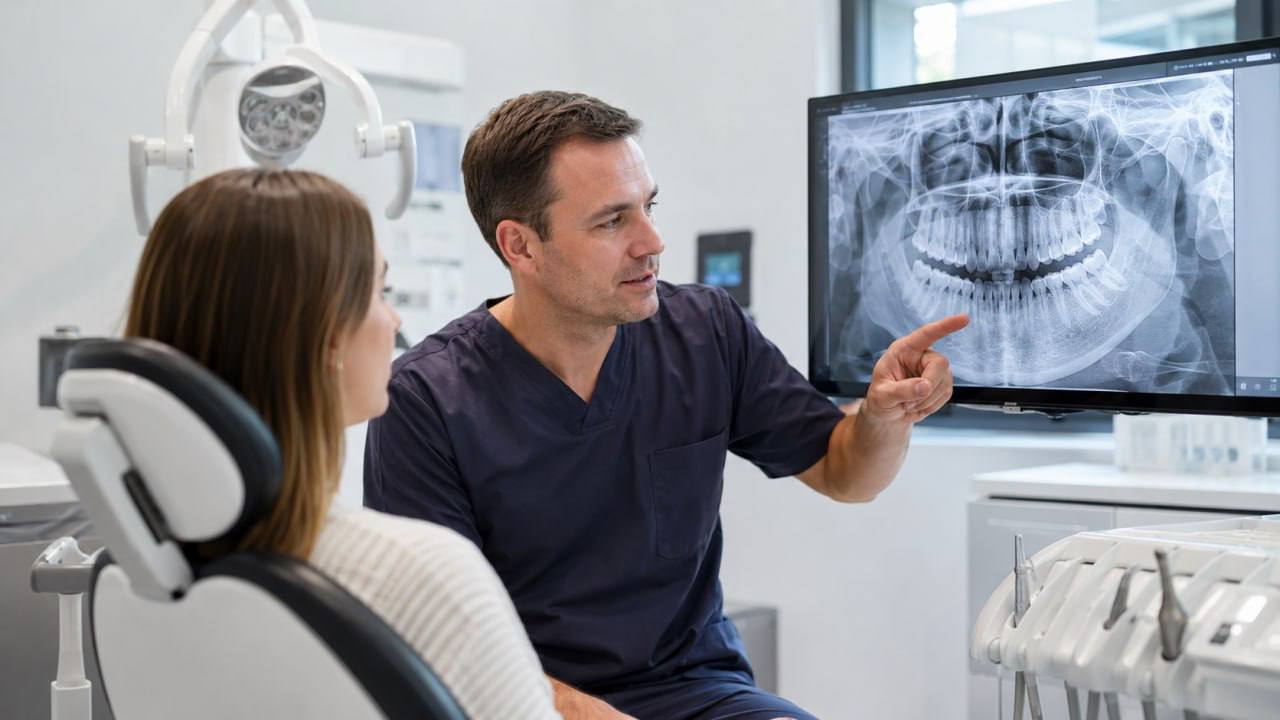
Knowing what to expect can ease the anxiety that often accompanies an unplanned dental visit. Whether you found a new clinic online or you are visiting your regular provider, the process is largely the same.
- Triage and assessment: The dental team gathers information about your symptoms, when they started, and what makes them better or worse. They review your medical history and any medications you take.
- Digital X-rays: Imaging is usually the first clinical step, allowing the dentist to see what's happening below the gumline that isn't visible to the naked eye. This identifies hidden decay, root fractures, and bone loss.
- Diagnosis and options: Once the issue is identified, the dentist explains the findings in plain language and outlines the treatment options, weighing the pros and cons of saving the tooth versus extraction.
- Pain management: For most emergency visits, addressing pain is the immediate priority, whether through local anesthetic to numb the area, prescription medication, or draining an infection.
- Treatment or stabilization: The dentist may resolve the issue completely in one visit (such as a simple extraction or a permanent filling) or stabilize it with a temporary measure if a longer follow-up appointment is needed for the full procedure.
- Next steps: You'll leave with clear instructions on aftercare, pain management strategies, and a plan for any required follow-up treatment.
Emergency Dentist Cost in Toronto
Cost is a real concern, and it's reasonable to want some clarity before you arrive. The honest answer is that pricing depends on what's found and what treatment is needed, so a complete quote before diagnosis isn't possible.
Here's what typically contributes to the cost of an emergency visit:
- Emergency consultation fee: Covers the assessment and clinical time for an unscheduled, urgent visit.
- Digital X-rays: One or more views depending on the situation.
- Procedure costs: These vary widely based on whether treatment involves a simple extraction, temporary restoration, bonding, a complex root canal, or something else.
- Medications: Antibiotics or prescription pain relief, if needed.
A note on dental coverage in Ontario: Many patients wonder about provincial coverage. It is important to know that OHIP does not typically cover routine dental treatment or clinical emergency procedures. OHIP coverage for dentistry is strictly limited to complex oral surgeries performed in a hospital setting, like repairing a fractured jaw or removing a tumor. Standard extractions and root canals performed in a dental clinic are not covered by OHIP.
However, many patients now have access to the Canadian Dental Care Plan (CDCP). The CDCP is a federal program that helps cover the cost of essential oral healthcare, including emergency exams, X-rays, fillings, extractions, and procedures to reduce infection, for eligible Canadians who do not have private dental insurance.
If you have private Ontario dental insurance, most comprehensive plans cover a portion of emergency consultations and related procedures. Pre-authorization isn't always possible in a true emergency, but your clinic can help navigate the claims process afterward.
If you're uninsured and do not qualify for the CDCP, ask about payment plan options before your appointment. Many clinics, including Market Dental Centre, can discuss options that make urgent care more accessible without delay.
Emergency Dentist vs Hospital ER
Toronto has multiple hospital emergency departments, and patients sometimes wonder whether to go there instead of a dental clinic. The distinction comes down to whether the problem is still about the tooth or has moved beyond it.
Go to a hospital ER when:
- Swelling is affecting your throat, making it difficult to breathe or swallow.
- You've experienced significant facial trauma, including a suspected jaw fracture.
- You're experiencing a serious allergic reaction in or around the mouth.
- You have a high fever with facial swelling and feel systemically unwell.
- Bleeding is severe and not slowing with pressure.
See an emergency dentist when:
- You have a knocked-out or severely broken tooth.
- You have severe tooth pain or a suspected abscess.
- You have a lost restoration causing significant pain.
- You need a dental procedure (extraction, root canal, bonding).
This distinction matters because hospitals treat the systemic and life-threatening side of dental infections, but they generally can't perform the dental procedure that resolves the underlying cause. In Canada, an ER physician can prescribe IV antibiotics and painkillers to keep you safe, but they will not pull your tooth or perform a root canal. You will ultimately still need to see a dentist to address the tooth itself. For most dental problems, then, an Emergency Dentist Toronto clinic is the right first call, with the ER reserved strictly for situations where the emergency has moved beyond the tooth.
How to Prevent Dental Emergencies

Most dental emergencies aren't entirely random. Many are preventable, or at least the risk can be meaningfully reduced with consistent care.
- Attend regular checkups: A developing crack, a failing filling, or decay that hasn't reached the nerve yet can be dealt with on your schedule, not in a panic on a holiday weekend.
- Wear a custom mouthguard for sports: A well-fitted guard absorbs impact that would otherwise transfer directly to teeth. Off-the-shelf "boil and bite" options provide some protection, but custom-fitted guards from a dentist are significantly more effective at preventing avulsed or fractured teeth.
- Avoid using teeth as tools: Opening bottles, tearing thick plastic packages, and chewing on hard objects like ice, pen caps, or unpopped popcorn kernels put immense, unnatural stress on your enamel.
- Address grinding habits early: If you wake up with jaw soreness or your partner mentions grinding sounds at night, ask your dentist about a night guard before bruxism causes cracked or fractured teeth.
- Don't delay treatment on known problems: A tooth that's been mildly sensitive for months and keeps getting ignored is usually the exact tooth that eventually needs a midnight emergency intervention.
Why Choose Market Dental Centre for Emergency Dental Care?

When a dental problem escalates, the last thing you want is to be told the next available appointment is in three weeks.
Market Dental Centre is centrally located in Downtown Toronto, proudly serving patients from the St. Lawrence neighborhood, Old Town, the Financial District, the Distillery District, the Waterfront, and surrounding areas. A few things set the experience apart for emergency patients:
- Same-day emergency appointments for urgent situations, so you're not managing severe pain while waiting for availability.
- In-house digital imaging: Immediate X-rays mean immediate diagnosis, without inconvenient referrals to an off-site imaging center.
- Experienced clinical team: The dentists handle the full range of emergency procedures, from surgical extractions and root canals to broken restorations and trauma care.
- Clear communication: Every patient leaves knowing exactly what was found, what was done, and what comes next, with no hidden surprises.
- Comprehensive follow-up care: Emergency treatment is sometimes just the first step, and the clinic coordinates whatever follow-up is needed without referring patients elsewhere for most standard restorative procedures.
If you're dealing with a dental problem right now, don't wait to find out whether it qualifies as an emergency. A short call to our clinic answers that question quickly and sets you on the path to relief.
Final Thoughts
Dental emergencies are stressful. The pain is intense, the timing is always inconvenient, and it's not always obvious what to do first. What makes the difference, in terms of outcomes and peace of mind, is knowing you have access to prompt, competent care nearby.
The most important takeaway: if something feels wrong, act on it sooner rather than later. Dental problems rarely improve with time, and the ones that seem minor at first can escalate quickly when the nerve or an infection is involved.
Here's a quick summary of what you've read:
- A dental emergency involves severe pain, swelling, bleeding, trauma, or infection that requires same-day attention.
- Knocked-out teeth, dental abscesses, and facial swelling are the situations where delay causes the most harm.
- First-aid measures, like storing a knocked-out tooth in milk or applying pressure to a bleeding wound, buy time but don't replace professional treatment.
- Emergency dental visits follow a clear process: assessment, imaging, diagnosis, pain management, and treatment.
- Most private dental insurance plans and the CDCP cover emergency procedures at least partially, while OHIP does not cover standard clinic visits.
- Prevention, through regular checkups, mouthguards, and not ignoring developing problems, is always less expensive and less painful than treating an emergency.
Need an Emergency Dentist in Toronto?
If you're in Downtown Toronto or the St. Lawrence area and facing a dental situation that can't wait, Market Dental Centre is the Emergency Dentist Toronto locals count on. Don't spend hours uncertain about what to do next while the pain gets worse. Book your appointment today and take the first step toward relief with a clear, personalized treatment plan.
The clinic provides detailed assessments, honest treatment recommendations, and transparent cost breakdowns based on your individual dental needs.
- Call for same-day relief: Phone: (416) 363-4115
- Visit our clinic: 149 Lower Jarvis St, Toronto, ON
Serving Downtown Toronto, Old Town Toronto, and the St. Lawrence Market area. For directions and location details, see our map listing.
Our emergency dental team is ready to get you out of pain today.

.webp)


