








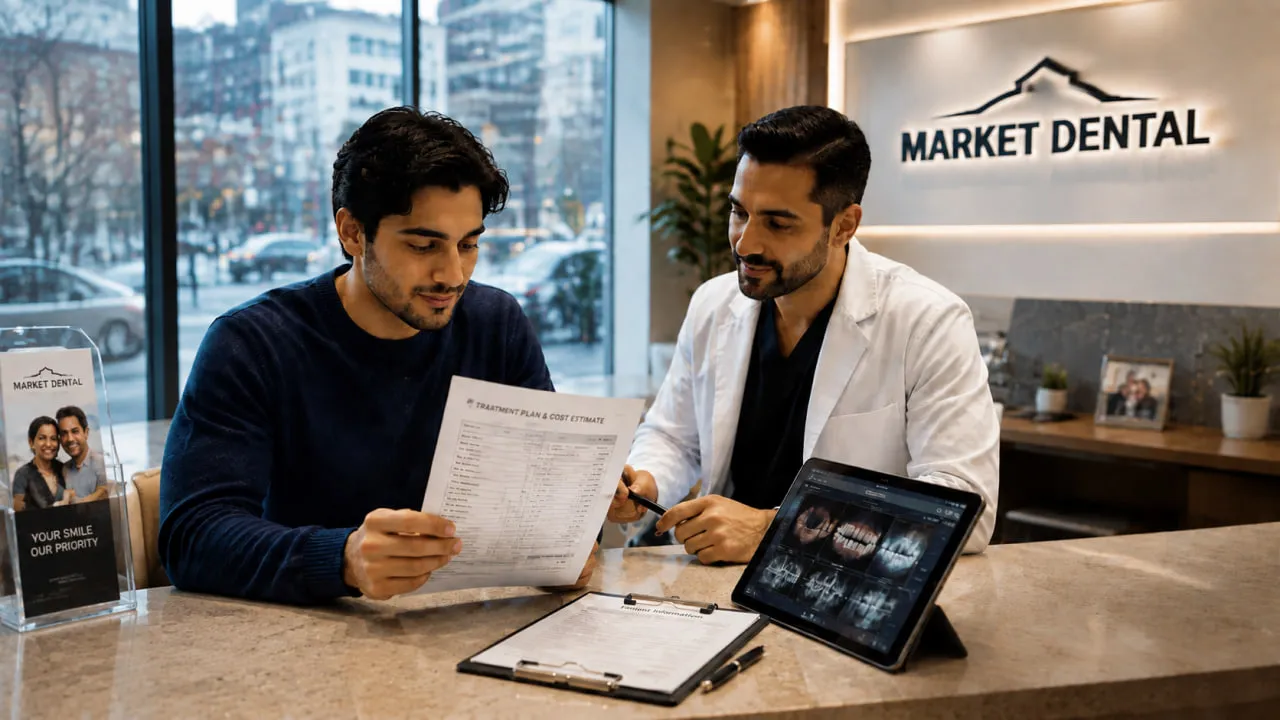

The dental exam cost Toronto patients pay without insurance depends on the type of examination, whether X-rays are needed, and whether cleaning is booked separately.
A routine check-up may be relatively simple, while a first visit or problem-focused appointment can require more diagnostic work. This guide explains typical out-of-pocket price ranges, what a dental exam may include, how the Ontario Dental Association Suggested Fee Guide influences fees, and when the Canadian Dental Care Plan may help. You will also learn which questions to ask before booking so you can understand the likely cost before treatment begins.
Why a Routine Dental Exam Matters
A dental examination is not only about finding cavities. It gives the dentist an opportunity to assess your teeth, gums, existing restorations, bite, jaw joints, and the soft tissues in and around your mouth. Depending on your history and clinical findings, the appointment may also include diagnostic X-rays.
Regular examinations can identify concerns before they become painful or require more complex treatment. Early gum inflammation, a small area of decay, a damaged filling, or unusual tissue changes may be easier to address when found promptly. The Ontario Dental Association notes that a general dental examination may include an assessment of the teeth, gums, bite, soft tissues, head and neck, with X-rays recommended when clinically necessary.
For someone paying out of pocket, the uncertainty can be as stressful as the appointment itself. You may be wondering whether the quoted fee includes X-rays, cleaning, polishing, or a treatment plan. The sections below separate these costs and explain what to confirm with the clinic before you arrive.
Due for a check-up? Review the typical fees below, then contact Market Dental Centre to ask what type of appointment may be appropriate and what fees may apply.
What Is Included in a Comprehensive Dental Exam?
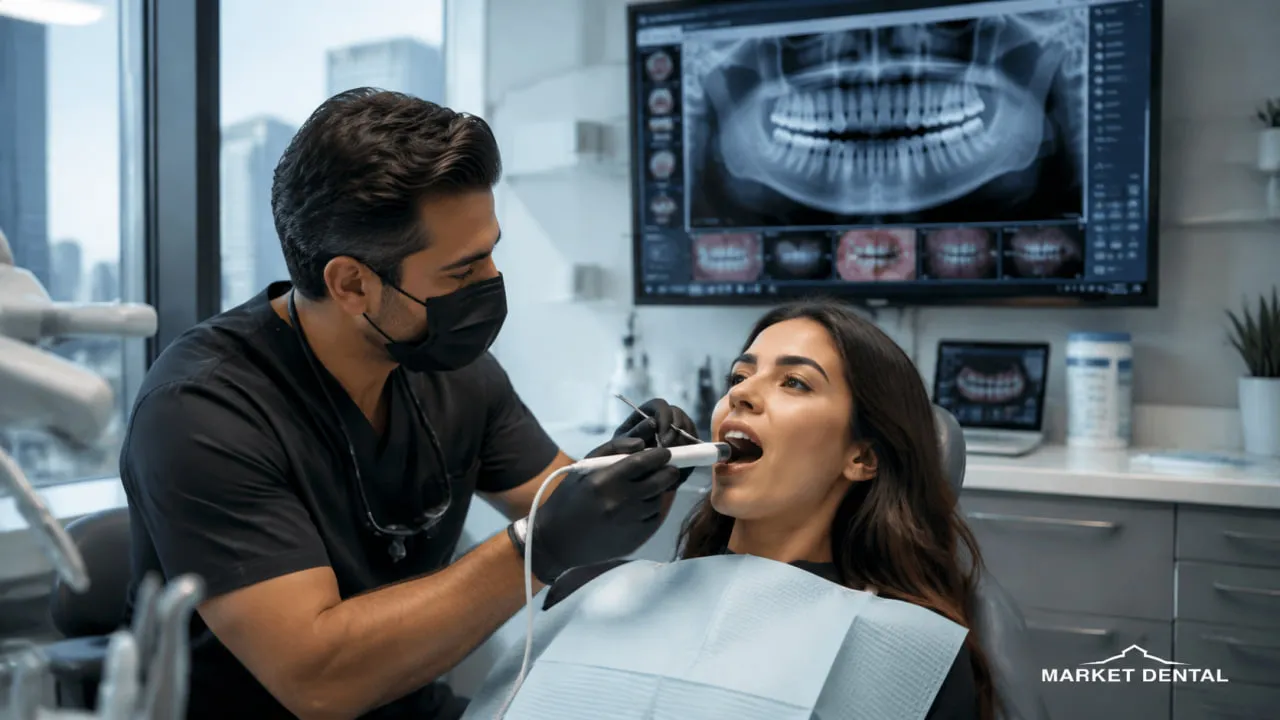
The exact steps depend on whether you are a new patient, an existing patient attending a recall visit, or someone seeking help for a specific concern. A comprehensive exam generally involves a broader review than a routine recall exam.
Review of Your Health and Dental History
The dentist may ask about your medical conditions, medications, allergies, previous dental treatment, current symptoms, and any changes since your last visit. This information can affect treatment planning and the safe use of medications or local anesthetic.
Clinical Examination of Teeth and Restorations
The dentist examines the visible surfaces of your teeth for signs of decay, wear, fractures, and other changes. Existing fillings, crowns, bridges, implants, or dentures may also be checked for damage, leakage, looseness, or changes in function.
A visual exam cannot reveal every problem. Decay between teeth, changes beneath an existing restoration, or issues around tooth roots may require additional testing or imaging.
Gum and Periodontal Assessment
Your gums and the supporting tissues around your teeth are assessed for inflammation, bleeding, recession, mobility, and signs of periodontal disease. Measurements around the teeth may be taken when clinically appropriate.
Gingivitis, the early inflammation of the gums, can often improve with professional care and better plaque control. Periodontitis involves damage to the supporting tissues and requires professional management. It should not be described as fully reversible.
Oral Cancer and Soft-Tissue Screening
A routine or comprehensive examination may include a visual and physical check of the lips, cheeks, tongue, floor and roof of the mouth, throat area, and neck. The dentist looks for tissue changes that may require monitoring or further investigation. This screening does not diagnose cancer by itself, but it can identify findings that need attention. The ODA describes oral cancer screening as an important part of a dental examination.
Bite and Jaw Joint Assessment
The dentist may evaluate how your upper and lower teeth meet, look for unusual wear, and ask about jaw pain, clicking, locking, headaches, or grinding. Not every patient requires a detailed temporomandibular joint assessment, but symptoms may prompt a closer evaluation.
Diagnostic X-Rays, When Needed
Dental X-rays are not automatically required at every examination. The dentist determines the number, type, and frequency of images based on your symptoms, examination findings, dental history, existing disease, and risk of future disease. Ontario guidance does not support taking X-rays on a fixed schedule without an individualized clinical reason.
Dental Exam Cost Toronto: Typical Fees Without Insurance

The ranges below come from the supplied content brief and are intended as general planning estimates for Toronto patients. They are not a quote from Market Dental Centre, an official ODA price list, or a guarantee of what any clinic will charge.
Actual out-of-pocket dental fees can vary because clinics set their own charges. The Ontario Dental Association publishes an annual Suggested Fee Guide that dentists and dental plans may use as a reference point, but it is not a mandatory province-wide price list. The 2026 guide is available to ODA members.
Before booking, ask for the current fee for the appointment type being recommended. Also ask whether the estimate includes X-rays, cleaning, polishing, fluoride, or other services.
Initial Comprehensive Examination
A new-patient comprehensive exam generally reviews your full dental and medical history and establishes a baseline for future care. It may take more clinical time than a recall visit because the dentist is assessing your overall oral health rather than comparing current findings with an established record.
Necessary X-rays or other records may be charged separately. Recent diagnostic-quality images from a previous dentist may sometimes be useful, although the treating dentist must decide whether they are current and appropriate for your needs.
Recall or Periodic Examination
A recall exam is usually performed for an existing patient whose previous records and baseline findings are already available. The dentist looks for changes since the last visit and decides whether any additional testing or treatment is needed.
The recommended interval is individualized. Some patients benefit from more frequent monitoring, while others may be advised to return less often. A universal six-month schedule is not appropriate for every person.
Emergency or Problem-Focused Examination
A problem-focused exam assesses a specific concern, such as tooth pain, swelling, a broken tooth, or a lost restoration. The examination fee generally covers the focused clinical assessment. X-rays, medications, temporary care, or definitive treatment may be billed separately.
If you have urgent symptoms, review the clinic’s emergency dental care information and call before attending.
X-Ray Fees
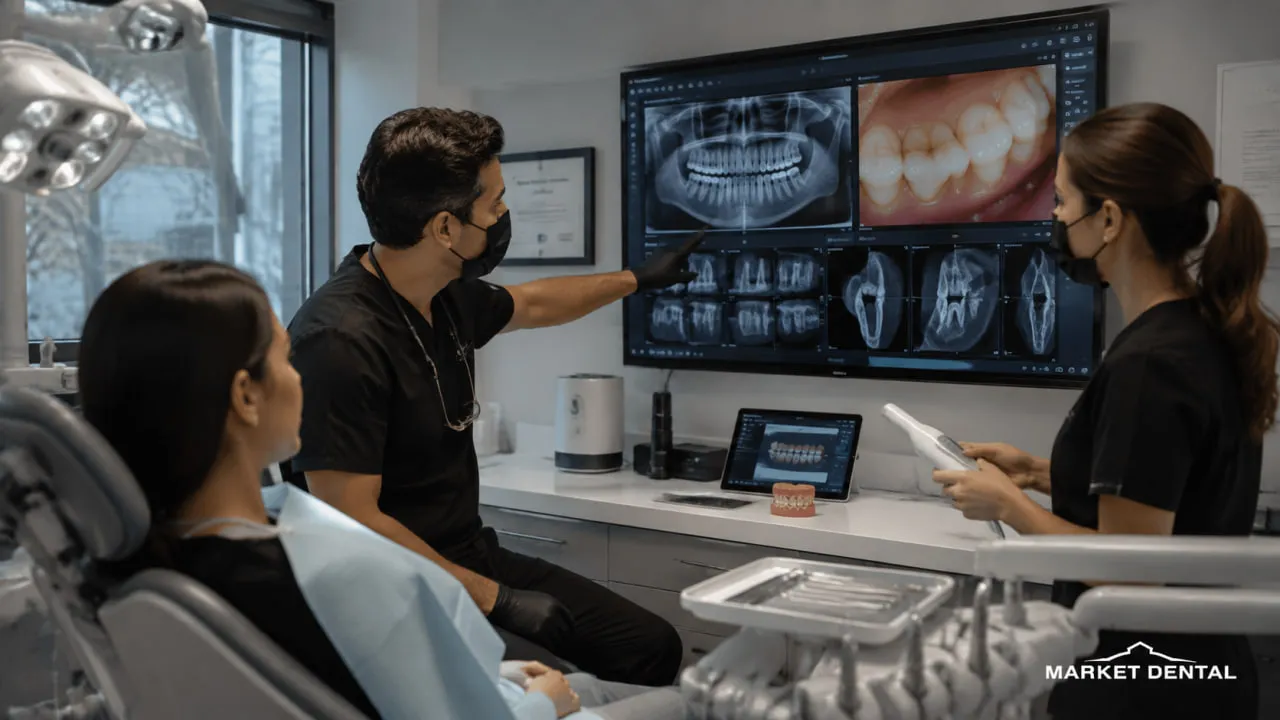
Bitewing images are commonly used to assess areas between the back teeth, but they are not the only type of dental X-ray. A panoramic image, periapical image, or other view may be recommended depending on the clinical question.
The important issue is not how often X-rays are taken, but whether each image is justified for that patient. Ask why the image is being recommended, what the dentist expects to learn from it, and whether recent images can be transferred from another office.
Cleaning Fees Are Usually Separate
A dental examination and a professional cleaning are separate services. Routine hygiene care may include scaling to remove plaque and hardened deposits, polishing when appropriate, and oral hygiene guidance. The required time depends on the amount of buildup, gum health, sensitivity, and other individual factors.
Root planing is not simply another name for a routine cleaning. It is a more involved periodontal procedure used when clinically indicated. For more information about routine hygiene care, see Market Dental Centre’s dental cleaning service page.
Factors That Affect Dental Exam Costs
Type and Scope of the Examination
A comprehensive new-patient assessment, a recall examination, and an emergency assessment serve different purposes and use different amounts of clinical time. The correct appointment type should be based on your needs, not simply the lowest advertised fee.
Required Diagnostic Images
X-rays can increase the total cost when they are needed. The number and type of images depend on the dentist’s clinical findings and your risk profile. A patient with new pain or extensive treatment history may require different records than a patient with stable oral health.
Time Since Your Last Visit
A long gap does not automatically mean that treatment will be expensive. However, the dentist may need more time to update records, assess changes, and determine whether additional imaging or periodontal measurements are necessary.
For example, two uninsured patients may both book a “check-up.” One has recent X-rays and no symptoms. The other has not attended in several years and reports gum bleeding and a broken filling. Their appointments and total fees may be different because their diagnostic needs are different.
Cleaning and Other Services Booked at the Same Visit
Patients sometimes refer to an exam and cleaning as one appointment, but the services are billed separately. The total may also change if polishing, fluoride, desensitizing treatment, or additional periodontal care is recommended.
Clinic Fee Schedule
Dental practices establish their own fees. The ODA Suggested Fee Guide may influence pricing, but location, operating costs, appointment length, materials, and the services provided can also affect the final charge. A downtown location does not by itself prove that a clinic will charge more.
Specialist Consultation
A routine exam with a general dentist is different from a consultation with a certified dental specialist. Specialist consultation fees and required records may differ. A referral is based on clinical need, not simply on the patient’s insurance status.
Does the CDCP Help With Dental Exam Costs?
The Canadian Dental Care Plan may help eligible Canadian residents who do not have access to private dental insurance. Current eligibility requirements include having no access to private dental coverage, filing a Canadian tax return, having adjusted family net income below $90,000, and being a Canadian resident for tax purposes.
The CDCP covers eligible diagnostic and preventive services, including certain oral examinations, X-rays, scaling, polishing, and fluoride services, subject to plan rules and frequency limits. Coverage does not necessarily mean the patient will pay nothing. Depending on household income, a co-payment may apply, and patients may also owe amounts above CDCP-established fees or charges for services the plan does not cover.
Market Dental Centre has a CDCP information page. Before booking, confirm that the clinic is currently accepting CDCP patients, whether it will submit the claim directly, and what portion you may need to pay.
Does OHIP Cover Routine Dental Exams?
OHIP generally does not cover routine dental examinations, cleanings, fillings, or other care delivered in a dental office. Certain medically necessary dental surgeries performed in a hospital may be covered. This is different from routine care at a dental clinic.
Other Ontario programs may provide dental benefits to eligible groups, including Healthy Smiles Ontario for qualifying children and youth. Eligibility and covered services should be checked through the appropriate government program.
Can Dental Expenses Be Claimed on Your Tax Return?
Some unreimbursed dental expenses may qualify for the federal medical expense tax credit. This is a non-refundable tax credit, so it can reduce tax payable but does not guarantee a refund. The amount a person can claim depends on CRA rules, income, eligible expenses, reimbursements, and the selected 12-month claim period. Keep itemized receipts and consult the current CRA guidance or a qualified tax professional.
Why Preventive Exams Can Reduce Future Costs

Preventive care cannot guarantee that you will avoid dental treatment. Genetics, medications, diet, dry mouth, previous dental work, trauma, and other factors also affect oral health. However, regular assessment can make it more likely that a concern is found while treatment options are still relatively conservative.
The following is an illustrative cost pathway from the supplied brief, not a quote or prediction for an individual patient:
Not every cavity progresses to a root canal, and not every early enamel change requires a filling. The table simply shows why delaying assessment can sometimes lead to more involved and expensive care.
Ways to Manage Out-of-Pocket Dental Costs in Toronto
Ask for an Itemized Estimate
Before agreeing to diagnostic tests or treatment, ask for a written estimate that separates the exam, X-rays, cleaning, and any recommended procedures. An estimate is not always a final invoice, but it can help you understand what is included and where costs may change.
Useful questions include:
- What type of exam am I booking?
- Is the cleaning billed separately?
- Are X-rays expected, and why?
- Can recent X-rays be transferred from my previous dentist?
- Will I receive a written treatment plan before non-urgent care begins?
- Does the clinic accept my benefit plan or CDCP coverage?
- What amount may remain my responsibility?
Prioritize Care With Your Dentist
If several treatments are recommended, ask which concerns are urgent, which are preventive, and which can reasonably be monitored. This allows you to make informed decisions without assuming that everything must be completed at once.
Use Available Benefits Carefully
Review private insurance, CDCP eligibility, workplace health spending accounts, and applicable government programs. Coverage rules, annual limits, co-payments, and frequency restrictions can affect what you pay.
Maintain Daily Oral Hygiene
Brushing with fluoride toothpaste, cleaning between the teeth, limiting frequent sugar exposure, and following individualized dental advice can reduce some preventable risk. Good home care does not replace professional assessment, but it supports long-term oral health.
Ask About Administrative Options
Some clinics offer direct insurance billing, claim assistance, or payment arrangements in certain situations. These services are not the same as reduced treatment fees. Confirm what is available, whether approval is required, and whether interest or third-party financing charges apply.
Why Choose Market Dental Centre for a Dental Check-Up?
Market Dental Centre provides general dentistry, including examinations, cleanings, preventive care, and diagnosis, at 149 Lower Jarvis Street near St. Lawrence Market. The practice also lists digital X-rays and intraoral cameras among its available dental technologies.
Patients can use the clinic’s dental check-up page to learn more about routine visits or contact the office to ask about the current examination fee, likely diagnostic requirements, and available appointment times.
A useful first call should give you a clear idea of the appointment being scheduled. The exact cost can only be confirmed after the clinic understands whether you need a comprehensive, recall, or problem-focused examination and whether additional services may be required.
Key Takeaways
- The dental exam cost Toronto patients pay varies by exam type, imaging needs, and separately billed services.
- A comprehensive exam, recall exam, emergency assessment, X-rays, and cleaning are different services.
- The ODA Suggested Fee Guide is a reference, not a mandatory price list.
- CDCP coverage may reduce eligible costs, but co-payments and additional charges can still apply.
- OHIP generally does not cover routine dental care provided in a dental office.
- A written, itemized estimate is the best way to understand your likely out-of-pocket cost.
Book a Dental Exam in Downtown Toronto
Not having insurance should not mean booking without knowing what to expect. Start by asking which type of examination fits your situation and request a clear estimate of the services that may be billed.
To discuss your appointment, current fees, or possible coverage, call Market Dental Centre. The clinic is located at 149 Lower Jarvis Street in Downtown Toronto, near St. Lawrence Market.

.webp)


